




Beyond the White Box
When you picture a minimalist home, what comes to mind? For many, it’s an image of rigid perfection: pristine white surfaces, furniture with razor-sharp lines, and a distinct lack of personal clutter. This traditional form of minimalism championed visual
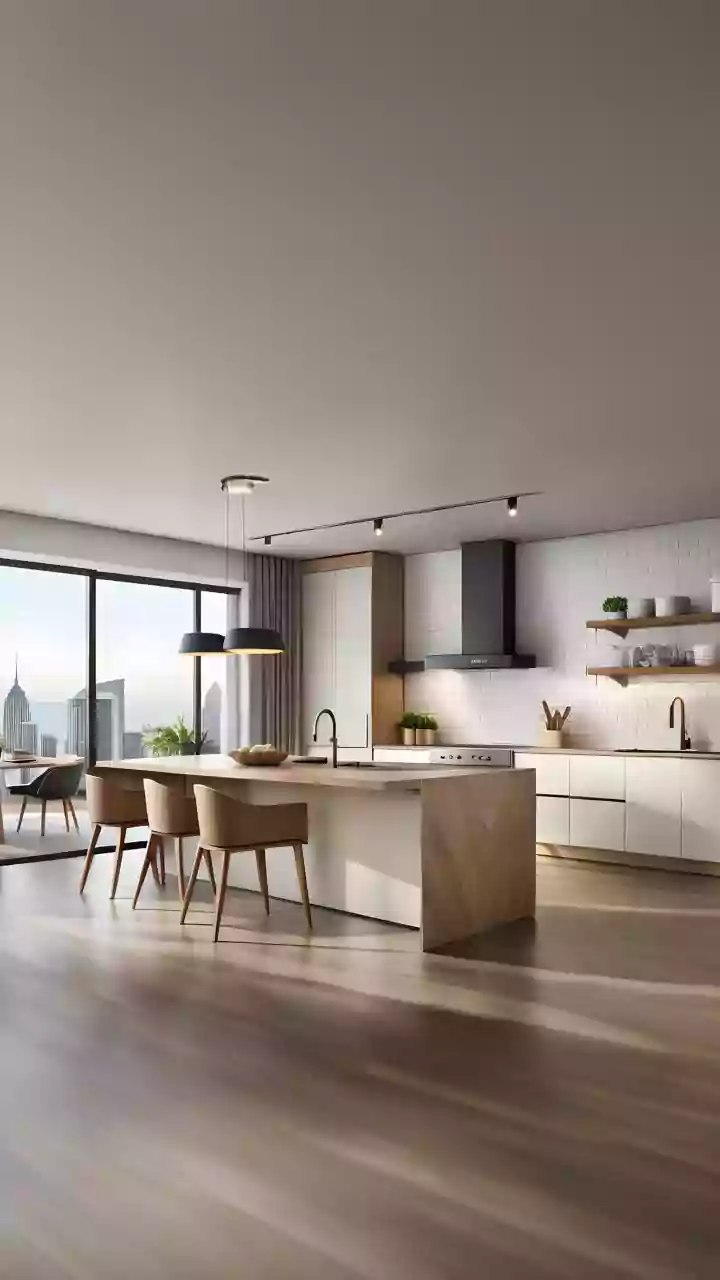
purity above all else. The philosophy was rooted in the idea of “less is more,” stripping spaces down to their bare essentials to create a sense of calm and order. While visually striking, this approach often resulted in interiors that felt cold, sterile, or even unlivable—more like a museum or a showroom than a place to relax and unwind after a long day. The focus on aesthetic perfection could feel demanding, creating spaces that seemed to whisper, “Do not touch.”
The Rise of Warmth
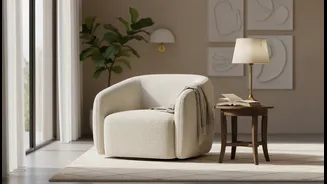
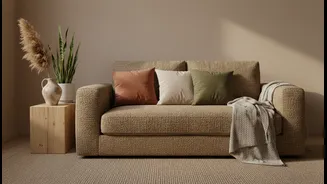
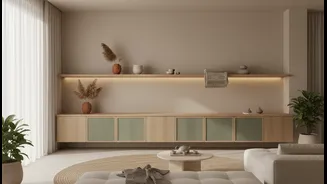
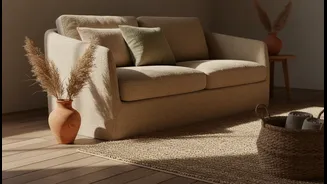
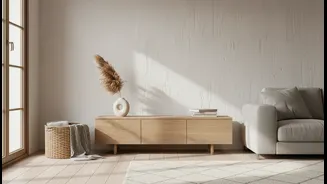
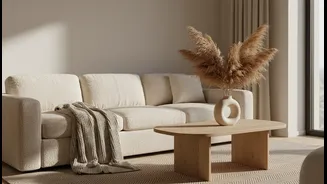
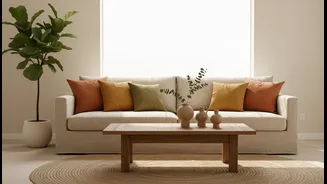
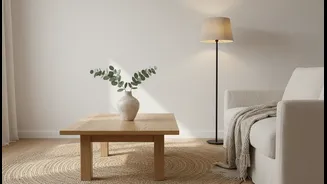
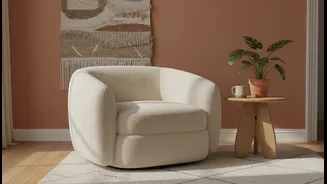
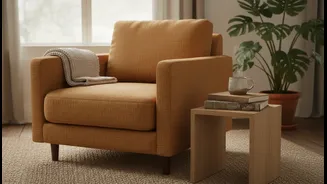
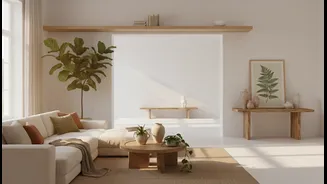
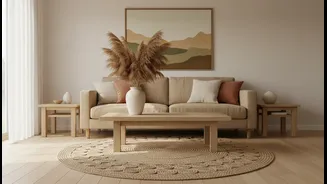
The new minimalism, often called “warm minimalism” or “cozy minimalism,” redefines the movement by placing human experience at its core. It keeps the essential principles of simplicity and intentionality but swaps the coldness for comfort. This evolution isn’t about abandoning minimalism but enriching it with warmth, texture, and personality. Instead of stark whites, the palette shifts to creamy neutrals, earthy tones like beige and terracotta, and muted shades of green. Sharp, angular furniture is replaced by pieces with soft curves, rounded edges, and organic shapes that feel more inviting and guide the eye gently through a room. The goal is no longer a visually perfect, untouchable space, but a serene, clutter-free environment that genuinely feels like a sanctuary.
A Reaction to Perfection
So why the shift? This move towards a softer minimalism is partly a reaction to the pressures of modern life. After years of digital overstimulation and fast-paced trend cycles, people are craving a sense of calm and emotional grounding in their homes. The clinical feel of old-school minimalism no longer aligns with a growing cultural emphasis on wellness, self-care, and creating spaces that support mental well-being. A home that prioritises comfort acknowledges that life is messy and imperfect. This new approach embraces that reality, offering a more attainable and forgiving version of simple living. It’s a recognition that your home should support you, not the other way around; a place to live in, not just to look at.
Embracing Comfortable Living
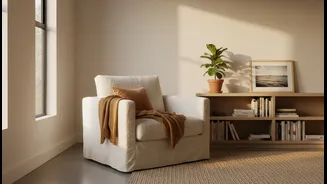
Bringing this new minimalist ethos into your home is less about rules and more about feeling. It starts with a focus on natural and tactile materials. Swap sleek, polished surfaces for the inherent warmth of wood, stone, linen, and wool. These materials add depth and visual interest without creating clutter. Texture becomes a key tool; a chunky knit throw, a nubby wool rug, or heavily grained timber introduces a sense of coziness and invites touch. The emphasis is on quality over quantity. Investing in fewer, better pieces that are both beautiful and functional is a core tenet. Each item in the home should earn its place by either serving a purpose or bringing you genuine joy.
Lighting, Layers, and Personality
Lighting plays a crucial role in setting a warm, inviting mood. Harsh overhead lights are the enemy of coziness. Instead, this style relies on layered lighting from multiple sources: floor lamps, table lamps with fabric shades, and even candles create a soft, ambient glow. This approach makes a space feel more dynamic and intimate. Finally, the new minimalism leaves room for personality. Unlike its stricter predecessor, this style welcomes a curated mix of old and new objects. A vintage ceramic pot, a piece of art that makes you smile, or a collection of beloved books are not seen as clutter but as essential layers that tell your story and make a house feel like a home.