
The Post-Shop Triage
The moment you get home is the most crucial for extending the life of your produce. Before you even think about putting things away, take a few minutes to inspect your haul. Check for any bruising, mould, or soft spots, as one decaying item can speed
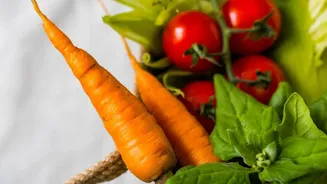
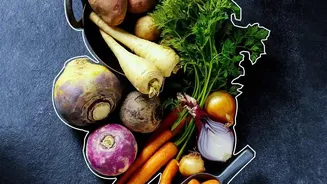
up the spoilage of its neighbours. Pay special attention to pre-packaged items. If you bought greens in a plastic clamshell or a bag, open it up. Condensation inside is a major enemy, promoting slime and decay. If you see excess moisture, transfer the contents to a new, dry container lined with a paper towel. For bunched items like carrots or beets, trim the leafy tops off, as they draw moisture away from the root, causing them to go limp.
Separate the Ethylene Producers
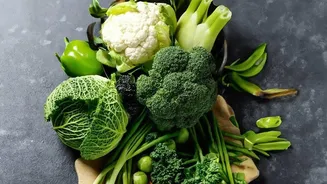
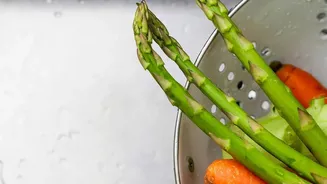
One of the golden rules of produce storage is to separate the gassers from the sensitive. Certain fruits and vegetables produce ethylene, a natural plant hormone that accelerates ripening. High ethylene producers include apples, ripe bananas, avocados, peaches, pears, and tomatoes. Storing these next to ethylene-sensitive produce is a recipe for premature spoilage. Vegetables that are particularly sensitive to this gas include asparagus, broccoli, carrots, cucumbers, and leafy greens. Exposure can cause greens to yellow, carrots to turn bitter, and asparagus to become tough. Your best strategy is to dedicate one drawer or area of your fridge or counter for the ethylene producers and keep everything else separate.
Give Delicate Greens Special Treatment
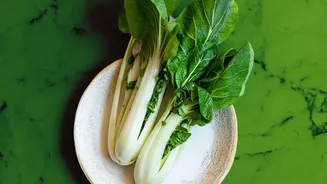
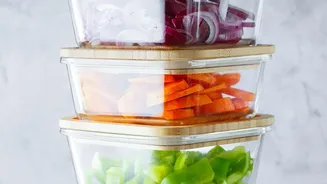
Leafy greens like spinach, lettuce, and rocket are among the most delicate items in your shopping bag. They wilt quickly if left loose in the fridge and turn slimy if there's too much moisture. The key is to control humidity. The best method for heads of lettuce or bunches of kale is to wash and thoroughly dry them. A salad spinner is your best friend here. Once completely dry, store the leaves in a sealed bag or container with a piece of paper towel to absorb any lingering condensation. They should be stored in the high-humidity crisper drawer if your fridge has one. Avoid the temptation to wash pre-washed bagged salads again, as adding more moisture will only speed up their decline.
Keep Herbs Fresh and Fragrant
Fresh herbs can elevate any dish, but they often wilt before you get a chance to use them. Treat them according to their type. Tender, soft-stemmed herbs like parsley, coriander, and mint should be treated like a bouquet of flowers. Trim the stems, place them upright in a jar with an inch of water, and cover loosely with a plastic bag before storing them in the fridge. Basil, however, is a notable exception. It is extremely sensitive to cold, which turns its leaves black. Keep basil on the counter in a jar of water, away from direct sunlight, just like fresh flowers. Hardy, woody-stemmed herbs like rosemary and thyme can be wrapped loosely in a slightly damp paper towel and placed in a resealable bag in the refrigerator.
Master Your Refrigerator's Crisper Drawers
Those two drawers at the bottom of your fridge are designed for more than just corralling loose vegetables; they are tools for controlling humidity. Many have an adjustable vent. Closing the vent creates a high-humidity environment, which is perfect for produce that wilts, like leafy greens, cucumbers, broccoli, and carrots. Opening the vent creates a low-humidity environment, allowing ethylene gas to escape. This drawer is ideal for storing most fruits, including apples, pears, and avocados (once ripe). Using these drawers correctly is one of the easiest ways to get more life out of your fresh food. If your drawers aren't labelled, a simple rule is: if it wilts, it needs high humidity; if it rots, it needs low humidity.
What to Keep on the Counter
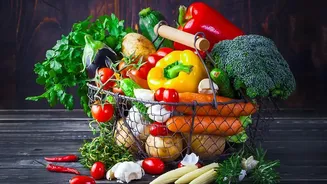
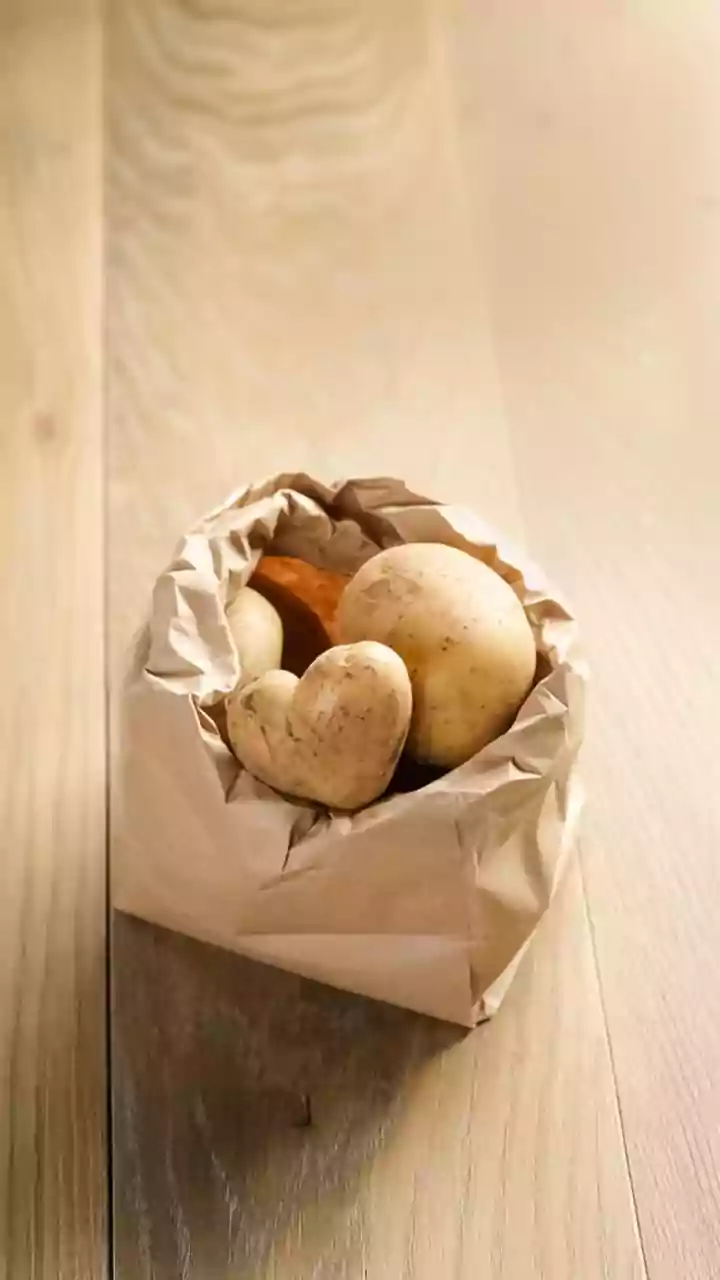
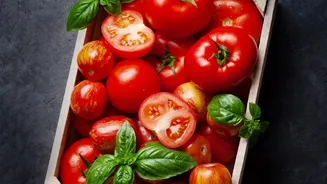
Not everything benefits from the cold. A number of common vegetables actually lose flavour and texture when refrigerated. Tomatoes should be stored at room temperature until fully ripe to prevent them from becoming mealy. Onions, garlic, and shallots need a cool, dark, and dry place with good air circulation; the fridge is too moist for them. Potatoes and sweet potatoes should also be kept in a cool, dark pantry, as refrigeration can convert their starches to sugar, affecting their taste and texture when cooked. Also, be sure to store potatoes and onions separately, as gases from onions can cause potatoes to sprout faster.