





Choose Your Destination Wisely
The most critical decision is where to go. While the monsoon brings breathtaking beauty, it also brings risks like landslides and flooding. It's best to avoid high-altitude Himalayan regions like Uttarakhand and parts of Himachal Pradesh, which are prone
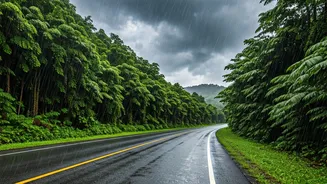
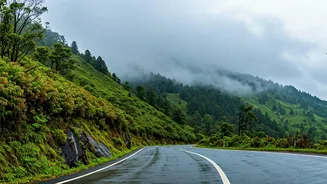
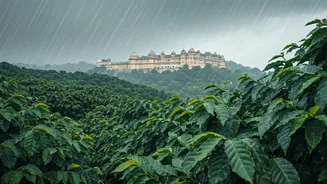
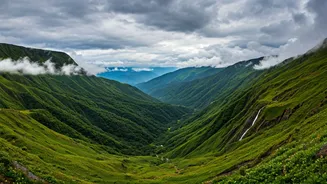
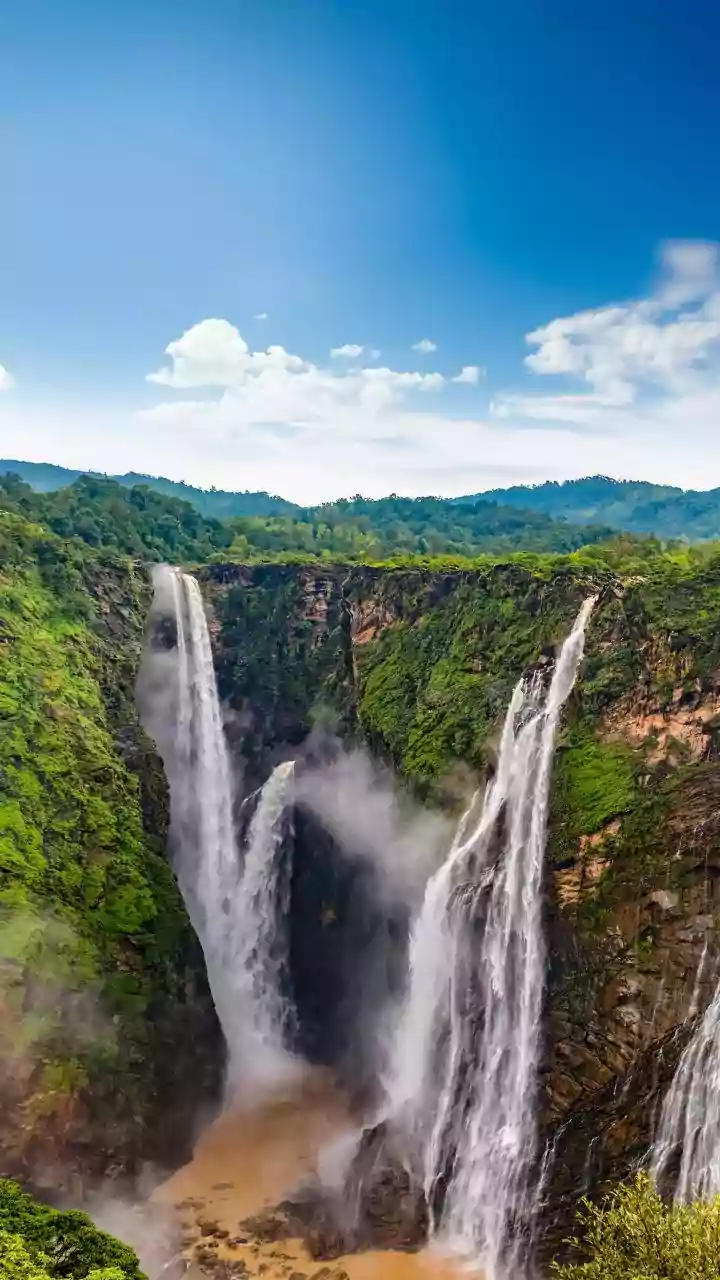
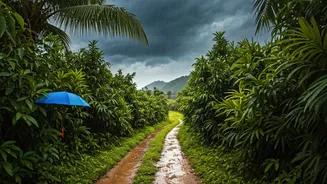
to landslides and road blockages. States like Sikkim and Assam also experience intense rainfall that can lead to significant travel disruptions. Similarly, major cities like Mumbai are notorious for waterlogging that can paralyze transport. Instead, consider destinations that receive less rainfall or where the monsoon enhances the beauty without extreme risk. Rajasthan, including cities like Udaipur and Jaipur, becomes pleasant and less crowded. The Western Ghats in places like Coorg, Wayanad, and Lonavala are stunningly green, though you should still check local advisories for landslides.
Pack for Rain and Humidity
Your packing list can make or break a monsoon trip. Forget jeans; they are heavy and take forever to dry. Instead, opt for lightweight, quick-drying synthetic fabrics like polyester and nylon. A reliable waterproof jacket or poncho is non-negotiable, as an umbrella alone may not stand up to wind and heavy downpours. Footwear is crucial; pack waterproof sandals or floaters with a good grip for slippery surfaces and a pair of quick-dry sneakers. Protect your essentials with a waterproof backpack cover and use dry bags or zip-lock pouches for your electronics, passport, and documents. Also, pack a microfiber towel, which dries much faster than a standard cotton one.
Build a Flexible Itinerary
Last-minute plans are great, but a rigid schedule is a recipe for frustration during the rainy season. Transport is frequently delayed, whether by road, rail, or air. Flights can be cancelled due to low visibility or waterlogged runways, especially at airports like Mumbai and Kolkata. Road travel can be slowed by poor conditions, traffic jams, and the need to drive more cautiously on wet roads. The smartest approach is to build buffer days into your trip. Be prepared to change your plans based on the weather. Always check the forecast and local conditions before heading out for the day.
Prioritise Health and Safety
The monsoon increases health risks. Mosquito-borne diseases like dengue and malaria are more common, so a strong insect repellent is essential. Water contamination is also a concern; stick to bottled or boiled water and be cautious with street food, which can be a source of infection. When outdoors, be wary of your surroundings. Avoid walking through flooded areas, as the water can hide open manholes and debris, not to mention being contaminated. If you're near hills, stay alert for warnings about landslides. Never get too close to overflowing rivers or waterfalls for a selfie.
Manage Your Gear and Gadgets
Keeping your electronics safe is a major challenge. Double-bagging gadgets in waterproof pouches inside your main bag provides an extra layer of protection. Silica gel packets, often found in new shoe boxes, can be thrown into your luggage to help absorb ambient moisture and fight humidity. A power bank is a must-have, as power cuts can be more frequent during storms, and travel delays can leave you waiting for hours without access to a charging point. Ensure you have offline maps downloaded, as mobile connectivity can be spotty in remote areas, especially during bad weather.