

For Short Hair: The Shag
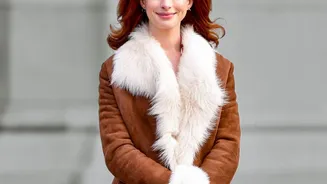
The shag was one of the most defining haircuts of the decade, a unisex style rocked by icons like Jane Fonda and Joan Jett. It’s a deliberately messy and free-spirited look defined by its choppy, heavy layers that are shorter around the crown and longer
toward the ends. This cut is perfect for adding texture and volume, making it an excellent choice for those with fine hair. Its beauty lies in its rebellious, 'I woke up like this' vibe, which removes the pressure of a perfectly coiffed ‘do. The modern shag is just as popular, proving the timeless appeal of this versatile, face-framing cut.
For Short Hair: The Wedge
Made famous by Olympic figure skater Dorothy Hamill in 1976, the Wedge was a true game-changer for short hair. The cut features a sharp, angled shape, with hair cut shorter in the back and gradually lengthening toward the front, creating a 'wedge' effect. This geometric style was praised for its sporty, low-maintenance appeal; it moved beautifully and fell right back into place. It’s a chic and sophisticated option for those with straight hair who want a polished yet fuss-free style that still packs a retro punch.
For Medium Hair: The Farrah Fawcett Flip
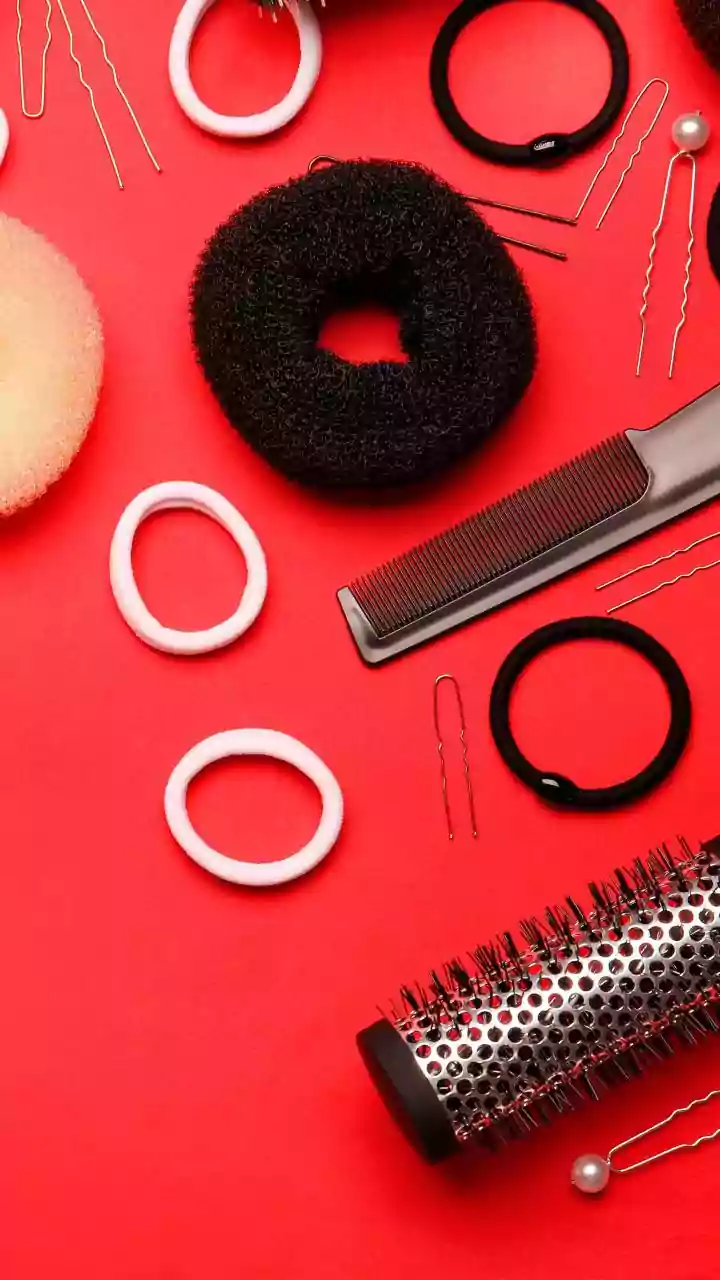
No discussion of '70s hair is complete without mentioning Farrah Fawcett. Her iconic feathered haircut from 'Charlie's Angels' became the most sought-after style of the late '70s. Perfect for shoulder-length to long hair, this look is all about volume, movement, and those signature winged-back sides. It features long, sweeping layers that are curled away from the face, creating a soft, bouncy effect. Achieving the 'Fawcett Flip' often involves a round brush and a blow dryer or hot rollers to get that maximum lift and outward curve.
For Medium Hair: The Pageboy
A holdover from the 1960s that was updated for the '70s, the Pageboy is a sleek and rounded style. Typically cut to chin-length or just below the ears, the hair is turned under in a uniform curve. The 70s version often featured a heavy, blunt fringe. It’s a more structured look compared to the era's shags and waves, offering a polished, almost sculptural silhouette. While it works best on straight hair, it creates a timeless and elegant frame for the face.
For Long Hair: Sleek and Straight
While many '70s looks were about volume, there was an equally popular counter-trend: long, pin-straight hair. Made famous by stars like Cher and Ali MacGraw, this bohemian style was defined by a sharp center part and hair that was often ironed straight. It was a minimalist, low-maintenance look that celebrated natural beauty and had a certain hippie chic. The key to this style is its simplicity and shine, letting the length be the main statement. The look remains a symbol of effortless elegance to this day.
For Long Hair: Disco Curls
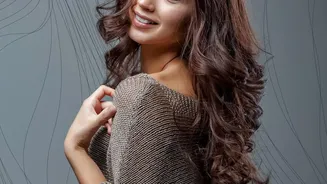
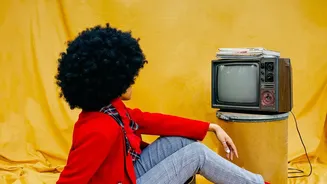
At the other end of the spectrum was the maximalist glamour of disco. As the music got bigger, so did the hair. Disco curls, worn by divas like Donna Summer and Diana Ross, were all about achieving maximum volume and texture. This look involved creating tight curls all over and then brushing or picking them out to form a soft, voluminous cloud of hair. It was a bold, statement-making style perfect for the dance floor and embodied the fun and energetic spirit of the disco scene.