




The Soul of the Puja Platter
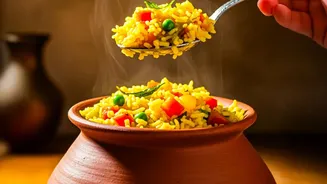
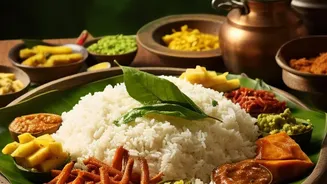
The star of any Durga Puja bhog is undoubtedly the combination of khichuri and labra. Far more than just a meal, this pairing is a sacred offering to the Goddess, prepared with utmost purity and devotion. The khichuri, a wholesome blend of rice and roasted
lentils, represents simplicity and sanctity. The labra, a medley of seasonal vegetables, symbolises unity and harmony, reflecting how different elements can come together to create something beautiful. Both dishes are strictly 'niramish', meaning they are prepared without any onion or garlic, adhering to sattvic principles. Recreating this bhog at home is a way to connect with the spiritual essence of the festival, filling your kitchen with the divine aromas of the pandal.
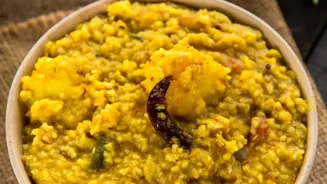
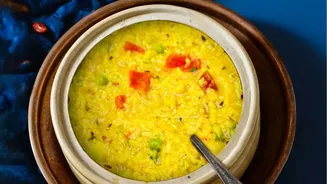
Bhoger Khichuri: The Main Offering
This isn't just any khichdi; its unique flavour comes from dry-roasting the moong dal and using fragrant Gobindobhog rice. The result is a creamy, aromatic, and deeply satisfying dish. Ingredients: - 1 cup Gobindobhog rice (or any short-grain fragrant rice) - 1 cup Sona Moong dal (split yellow lentils) - 2 medium potatoes, cubed - 1/2 cup cauliflower florets - 1/2 cup green peas - 2 tbsp ghee, plus extra for serving - 2 bay leaves - 2-3 dried red chillies - 1 tsp cumin seeds - 2-inch cinnamon stick, 3-4 cloves, 2-3 green cardamoms - 1.5 tbsp grated ginger - 1 tsp turmeric powder - 1 tsp cumin powder - 1 tsp Bengali garam masala - Salt to taste - 1 tbsp sugar - 4-5 cups of hot water Method: 1. Begin by dry-roasting the moong dal in a heavy-bottomed pan on low heat until it turns light golden and releases a nutty aroma. Set aside, wash lightly, and soak for at least 30 minutes. 2. Wash the rice and let it soak separately. 3. Heat ghee in a large pot or kadhai. Lightly fry the potato cubes and cauliflower florets until they are golden at the edges. Remove and set aside. 4. In the same ghee, temper with bay leaves, dried red chillies, cumin seeds, cinnamon, cloves, and cardamom. Once they start to crackle, add the grated ginger and sauté for a minute. 5. Add the turmeric and cumin powder, followed by the soaked and drained moong dal. Sauté for another minute before adding the soaked rice. Mix gently. 6. Pour in the hot water, add salt and sugar, and bring to a boil. Add the fried potatoes, cauliflower, and green peas. 7. Cover and cook on low to medium heat, stirring occasionally, until the rice and dal are soft and have reached a thick, porridge-like consistency. The texture should be soft and almost melting. 8. Finish by stirring in the Bengali garam masala and a generous spoonful of ghee before serving.
Labra: A Medley of Vegetables
Labra is the perfect accompaniment to the rich khichuri. It’s a versatile dish where a variety of vegetables are cooked together until soft, symbolising community and togetherness. The key is the 'Panch Phoron' tempering. Ingredients: - 4-5 cups of mixed vegetables, cubed (e.g., pumpkin, potato, sweet potato, eggplant, radish, beans, cauliflower) - 2 tbsp mustard oil - 1 tsp Panch Phoron (Bengali five-spice mix) - 2 bay leaves - 2 dried red chillies - 1 tbsp ginger paste - 1 tsp turmeric powder - 1 tsp cumin powder - 1 tsp coriander powder - 2-3 green chillies, slit - Salt to taste - 1/2 tsp sugar - A handful of chopped coriander for garnish Method: 1. Chop all vegetables into roughly uniform cubes. Keep softer vegetables like eggplant and pumpkin slightly larger as they cook faster. 2. Heat mustard oil in a kadhai until it is smoking lightly. Fry the eggplant pieces first until golden and set them aside. This prevents them from getting mushy. 3. In the same oil, add the Panch Phoron, bay leaves, and dried red chillies. Let them splutter. 4. Add the harder vegetables first, such as potatoes, sweet potatoes, and radish. Sauté for 4-5 minutes. 5. Add the remaining vegetables like pumpkin, beans, and cauliflower. Stir everything to coat with the oil. 6. Make a paste with ginger, turmeric, cumin powder, coriander powder, and a little water. Add this paste to the vegetables and cook for a few minutes until the raw smell disappears. 7. Add salt, sugar, and the slit green chillies. Cover the pan and cook on low heat, stirring occasionally. The vegetables will release their own moisture, but you can add a splash of water if needed. 8. Once all the vegetables are tender and have melded together, add the fried eggplant back into the pan. Mix gently. 9. Garnish with fresh coriander before serving alongside the hot khichuri.