




Moringa, or the 'drumstick tree', is celebrated across India as a nutritional powerhouse. But while its benefits are impressive, unlocking them safely means moving beyond the hype and understanding a simple rule: more is not always better.
A True Nutrient Powerhouse
There's a good
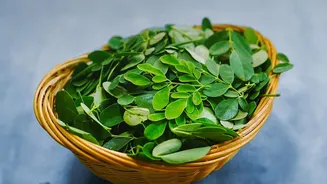
reason moringa has earned its 'superfood' status. The leaves are packed with essential nutrients. By dry weight, they offer a significant amount of protein, containing all essential amino acids. They are also a remarkable source of vitamins and minerals, including vitamin A, vitamin C, calcium, potassium, and iron. In fact, studies suggest moringa leaves provide more vitamin A than carrots, more calcium than milk, and more iron than spinach. This dense nutritional profile is supplemented by powerful antioxidants like flavonoids and phenols, which help the body combat oxidative stress and inflammation.
The 'Too Much of a Good Thing' Rule
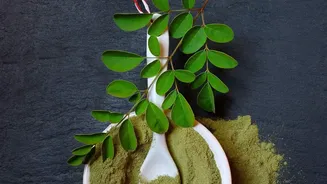
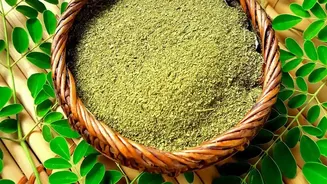
Despite its benefits, moringa's potency requires moderation. For most healthy adults, a daily intake of one to two teaspoons (about 2 to 5 grams) of moringa leaf powder is considered a safe and effective range. Exceeding this can lead to uncomfortable side effects, primarily digestive issues. Due to its high fibre content and natural laxative properties, overconsumption can cause bloating, gas, stomach cramps, and diarrhoea. It is always recommended to start with a smaller amount, such as half a teaspoon daily, and gradually increase it as your body adjusts.
Why Preparation and Sourcing Matter
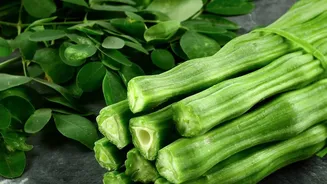
How you prepare and where you get your moringa is crucial. Fresh moringa leaves contain certain 'anti-nutrients' like oxalates and phytates, which can slightly reduce the body's ability to absorb minerals like iron and calcium. While the levels are generally not considered harmful in moderate amounts, properly drying the leaves can help. When making powder at home, it's best to shade-dry the leaves rather than sun-drying them, as direct sunlight can degrade some of the delicate vitamins. Additionally, it's important to consume only the leaves, seeds, and pods. The root and bark of the moringa tree contain potentially toxic substances and should be avoided.
Simple Ways to Add Moringa to Your Diet
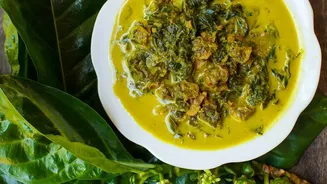
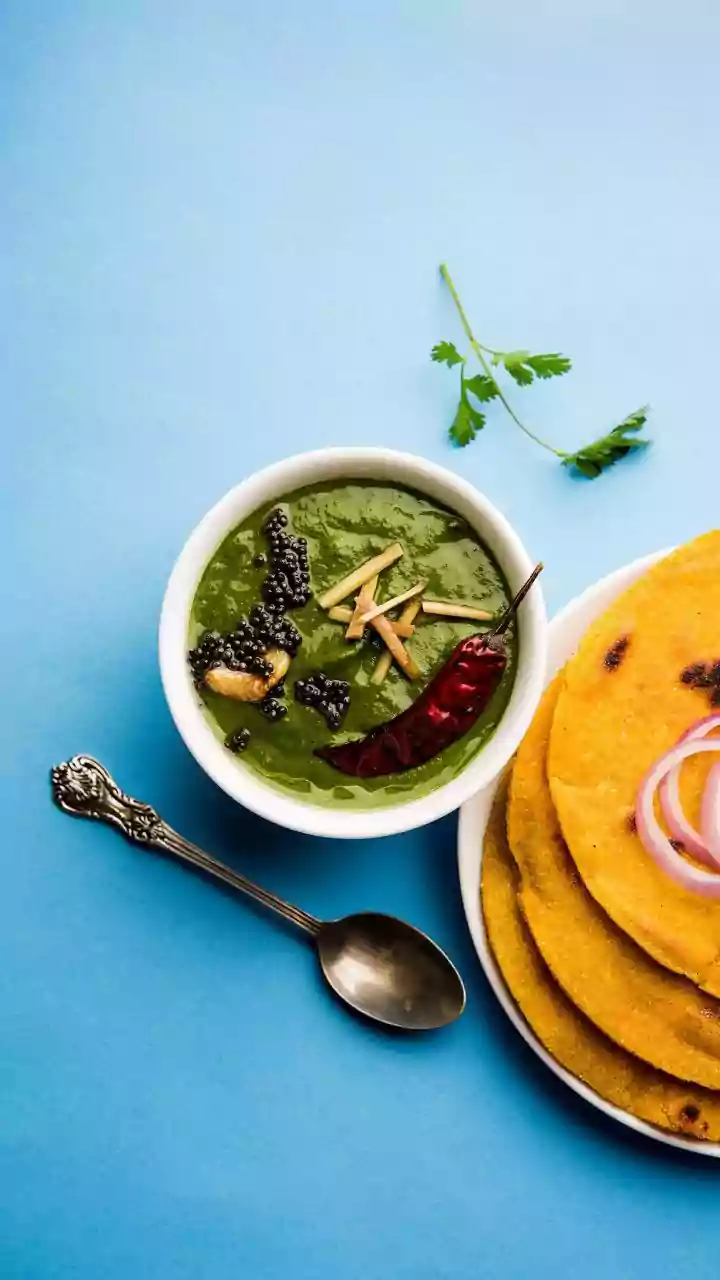
Integrating moringa into your daily meals is simple. The powder has a distinct, earthy flavour that blends well into many Indian dishes. You can easily mix a teaspoon into your morning smoothie, dal, or soups. Another popular method is to incorporate it into the dough for rotis or theplas, giving your flatbreads a green, nutrient-rich boost. You can also sprinkle it over salads, mix it into yoghurt, or stir it into a glass of water or juice. For a milder flavour, brewing moringa powder or dried leaves into a tea is an excellent option. The key is consistency; regular, small amounts are more beneficial than large, infrequent doses.
Who Should Be Extra Cautious?
While moringa is safe for most people, some individuals should exercise caution and consult a healthcare professional before adding it to their diet. Because moringa can lower blood sugar and blood pressure, people taking medications for diabetes or hypertension should monitor their levels closely to prevent them from dropping too low. There is also evidence that moringa can interact with thyroid medications. Furthermore, while the leaves are generally safe, the root, bark, and flowers have been shown to stimulate uterine contractions, so they are considered unsafe during pregnancy.