






Why the Spotlight on Fibre?
Fibre has always been a crucial nutrient, but its role is now more appreciated than ever. Think of it as the unsung hero of your morning routine. A fibre-rich breakfast helps regulate blood sugar levels, preventing the dreaded mid-morning energy crash.
[10, 15] By slowing digestion, it promotes a feeling of fullness, which can aid in weight management and curb unnecessary snacking. [3, 27] Furthermore, fibre is essential for a healthy gut microbiome. [14, 19] It feeds the beneficial bacteria in your digestive system, which is linked to improved immunity, better digestion, and even a lower risk of chronic diseases like heart disease and type 2 diabetes. [9, 13, 19] Starting your day with fibre sets a positive tone for your body, ensuring systems run smoothly from the get-go. [3]
An Indian Trend with Deep Roots
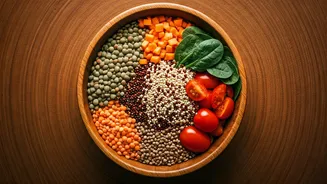
While the wellness world is buzzing about fibre, this is hardly a new concept for Indian kitchens. Many traditional Indian breakfasts are naturally high in fibre. [4, 6] Think of vegetable-stuffed poha, dalia (broken wheat) upma, or dosas made from millets like ragi. [4, 5, 6] These dishes have been staples for generations, providing sustained energy for the day ahead. The current trend is a return to these roots, blending ancient dietary wisdom with modern nutritional science. The renewed focus on millets like jowar and bajra, and the use of whole grains and lentils in morning meals, shows a collective move away from the highly processed foods that became common in recent decades. [2, 6] This shift is an acknowledgment that our culinary heritage holds powerful keys to contemporary health.
What a High-Fibre Breakfast Looks Like
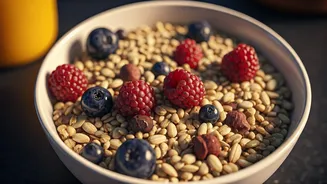
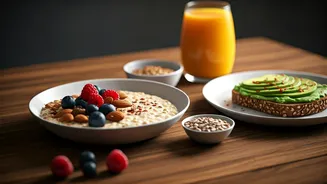
Embracing a fibre-focused breakfast is both delicious and versatile. The goal for most adults is to get between 25 to 38 grams of fibre per day. [2, 18] A breakfast that provides at least 8-10 grams is a fantastic start. [7] This could be a bowl of masala oats loaded with vegetables, which can offer around 6 grams of fibre. [5] A couple of moong dal chillas can provide both fibre and protein. [4] Even a simple swap from white bread to whole-wheat toast with avocado can make a significant difference. [10] Other excellent options include brown rice idlis, sprouted moong salad, or a multigrain paratha stuffed with vegetables like methi or cauliflower. [4, 6] Adding a tablespoon of chia or flax seeds to your smoothie, yoghurt, or porridge is an effortless way to boost your intake. [29]
Making the Switch Simple
You don't need to overhaul your entire morning routine overnight. The key is to make small, sustainable swaps. If you love upma, try making it with steel-cut oats or dalia instead of refined sooji. [6] If poha is your go-to, use the brown rice variety and be generous with peas, onions, and peanuts. [6] Add a handful of spinach to your egg bhurji or omelette. [20] Instead of jam on toast, opt for peanut butter on whole-grain bread. [24] Even adding more vegetables to traditional dishes like dal chilla or sambar can significantly increase your fibre consumption. [4, 5] Remember to increase your fibre intake gradually and drink plenty of water to help your digestive system adapt. [18]
A Lasting Investment in Your Health
The reason fibre-focused breakfasts are here to stay is simple: they work. This isn't a restrictive diet or a complicated fad; it's a fundamental principle of good nutrition that offers tangible benefits. By prioritising fibre in the morning, you are investing in better energy, improved digestion, and long-term disease prevention. [19] It's a proactive approach to health that empowers you to feel your best throughout the day. This trend has longevity because it is accessible, rooted in traditional food cultures, and backed by strong scientific evidence. It represents a shift in mindset from short-term fixes to a sustainable, lifelong commitment to well-being, one breakfast at a time.