

First, Understand Your Light
Before you buy a single plant, become an observer. The amount and intensity of sunlight your balcony receives is the single most important factor for success. Spend a day noting how the sun moves across your space. Does it get blasted with direct sun for more
than six hours? That's a 'full sun' balcony, typical for south-facing spots. Does it get four to six hours of less intense morning or evening sun? That's 'partial shade', common for east or west-facing balconies. Or is it mostly shaded all day, receiving only indirect light? That's a 'low-light' or 'shade' balcony, often facing north. Understanding this will guide every plant choice you make.
Match the Plant to the Place
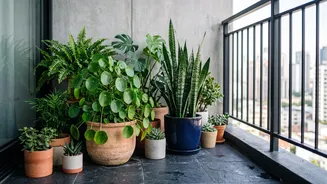
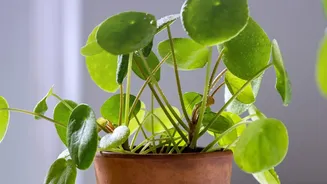
Now that you know your light conditions, you can choose plants that will thrive. For a sun-drenched, south-facing balcony, think of heat-lovers. Bougainvillea, hibiscus, petunias, and herbs like rosemary, thyme, and tulsi will flourish. For balconies with partial shade, you have a wide variety of options. Many flowering plants like geraniums and peace lilies, as well as foliage plants like areca palm and money plants do well. If your balcony is mostly shady, don't despair. You can create a lush, green retreat with snake plants, spider plants, and different types of ferns, all of which tolerate lower light levels. Choosing plants suited to your climate and light is the best way to ensure they grow with minimal fuss.
The Myth of the Watering Schedule
The most common mistake new plant parents make is overwatering, often by sticking to a rigid schedule like 'water once a week'. The right time to water depends on the plant, pot size, soil, and the season—not the calendar. Instead of a schedule, learn to read your plant's needs. The best method is the finger test: stick your finger about an inch or two into the soil. If it feels dry at that depth, it's time to water. If it's still moist, wait another day or two and check again. This simple habit prevents root rot, the number one killer of potted plants.
How to Water Correctly
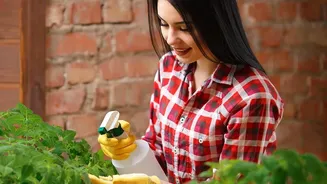
When you do water, do it thoroughly. Pour water slowly and evenly over the soil surface until it begins to drain from the bottom of the pot. This ensures the entire root system gets a drink and helps flush out any salt buildup from fertilisers. After a deep watering, discard any excess water that collects in the saucer beneath the pot. Letting a plant sit in a puddle is a guaranteed way to cause root problems. Watering in the early morning or evening is ideal, as it reduces evaporation and allows the plant to absorb the moisture effectively.
The Foundation: Pots and Soil
Your success also depends on what's below the surface. Always use pots with drainage holes; this is non-negotiable. Without drainage, water pools at the bottom, suffocating the roots. The size of the pot matters, too. A pot that's too small will dry out quickly and restrict growth, while one that's too large can hold excess moisture. Finally, never use heavy garden soil in containers. Instead, opt for a light, well-draining potting mix. A good quality mix, often containing cocopeat and vermicompost in India, provides the right balance of moisture retention, aeration, and nutrients for container plants.