


The Nutritional Edge of Millets
Swapping traditional ingredients like polished white rice or refined semolina for millets offers a significant nutritional upgrade. Millets are packed with dietary fibre, which aids digestion and promotes a feeling of fullness. They are also richer in protein
and essential minerals like iron, magnesium, and calcium compared to white rice. Furthermore, most millets have a lower glycemic index, meaning they release sugar into the bloodstream more slowly. This helps in managing blood sugar levels, making them a smarter choice for sustained energy without the sharp spikes associated with refined grains.
Reimagining Kheer with Millets
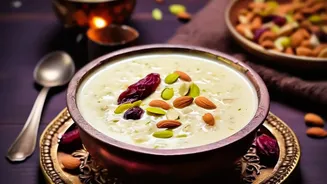
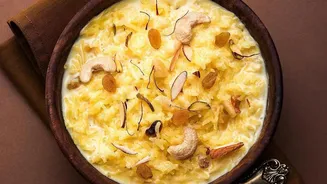
A creamy, aromatic kheer is a festive staple, and it adapts beautifully to millets. Foxtail millet (thinai) and little millet (samai) are excellent substitutes for rice. They cook into a soft, slightly grainy texture that gives the kheer a wonderful body. To prepare, simply cook the washed millet until soft before simmering it with milk. You can use regular milk, or for a different flavour profile, coconut milk pairs wonderfully. Instead of refined sugar, consider natural sweeteners like jaggery, which also adds minerals. Finish with classic flavourings like cardamom, saffron, and a garnish of roasted nuts for that authentic festive touch.
Nutrient-Dense Laddoos for Everyone
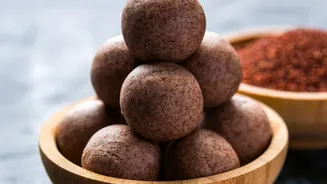
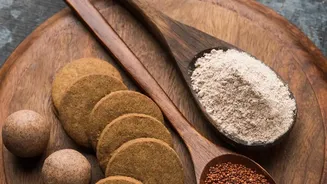
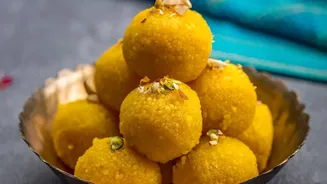
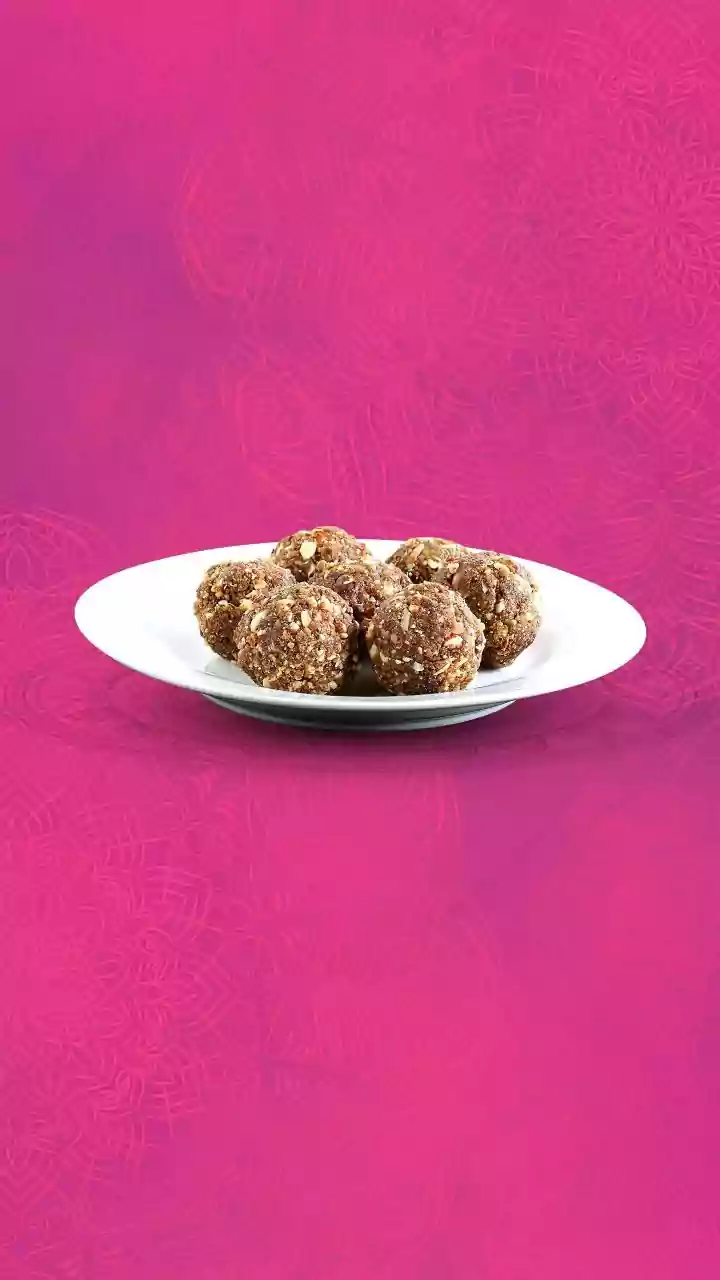
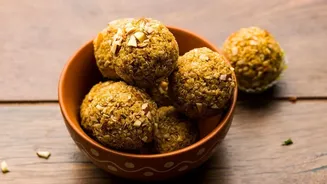
Laddoos are bite-sized morsels of joy, and millet flours make them healthier. Finger millet (ragi) and pearl millet (bajra) flours are popular choices. Ragi, known for its high calcium content, lends a rich, earthy flavour and a beautiful deep colour to laddoos. Bajra flour is notable for its iron content. To make the laddoos, start by roasting the millet flour in a little ghee until it becomes aromatic. This step is crucial for developing a nutty flavour. For binding and sweetness, use powdered jaggery, date paste, or honey instead of processed sugar. Mix the roasted flour with your sweetener of choice, more ghee as needed, and chopped nuts before rolling them into balls.
Which Millet to Choose?
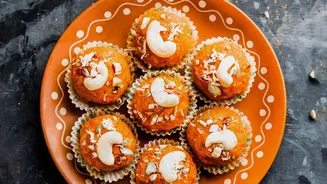
While many millets are versatile, some are better suited for specific desserts. For Kheer: Foxtail millet and little millet are ideal due to their ability to become soft and creamy when cooked in milk. For Laddoos: Ragi and bajra flours provide a robust, earthy base. Roasting the flour is key to a good flavour. Jowar (sorghum) flour is another lighter, more neutral option. * For Halwa: Ragi and bajra also work well in halwas, creating a dense, rich texture. Don't be afraid to mix flours to create a unique nutritional profile and taste.
Tips for Perfect Millet Desserts
Cooking with millets can be slightly different from using refined grains. Rinsing the millets thoroughly before use is important. Some recipes suggest soaking them to ensure they cook evenly and become easier to digest. When using millet flours, roasting them on a low flame until fragrant is a non-negotiable step for the best flavour. When substituting sugar, remember that natural sweeteners like jaggery and dates have their own distinct flavours, so adjust quantities to your liking. Finally, millets absorb liquid differently, so you might need to adjust the amount of milk or water in your kheer and halwa recipes to achieve the perfect consistency.