







A Traditional Remedy Reimagined
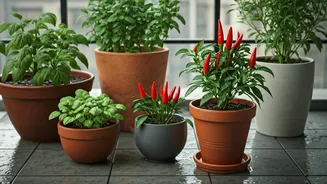
For generations, gardeners have used wood ash to enrich soil and deter pests. In today's urban setting, where balcony gardens are our small patches of green, this practice is making a smart comeback. Wood ash is the residue left after burning clean, untreated
wood. It’s a sustainable choice, turning what would be waste into a valuable resource for your plants. Instead of buying commercial pesticides that can contain harsh chemicals, using a natural byproduct like wood ash aligns with a more organic and eco-conscious gardening philosophy. It’s not a cure-all, but it’s a powerful tool in a gardener’s arsenal for managing common nuisances without harming the environment.
The Science Behind the Soot
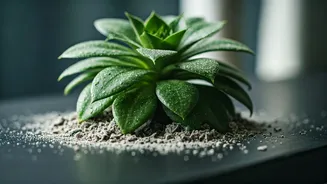
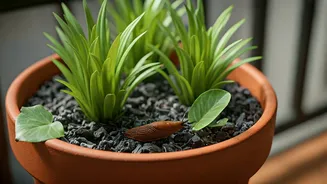
So, how does simple ash work against bugs? The magic lies in its composition and physical properties. Firstly, wood ash is highly alkaline. This change in pH on the leaf surface can make it inhospitable for certain fungi and pests. Secondly, the fine, abrasive particles of ash are a powerful desiccant. For soft-bodied pests like slugs, snails, and some larvae, contact with ash can be irritating and drying, causing them to retreat. When sprinkled around the base of a plant, it creates a barrier they are reluctant to cross. For smaller pests like aphids that feed on plant sap, a light coating of ash-infused water makes the leaves unpalatable and difficult to cling to, effectively disrupting their lifecycle.
Sourcing the Right Kind of Ash
This is the most critical step. Not all ash is created equal, and using the wrong kind can introduce harmful toxins to your soil and plants. Only use ash from burning clean, untreated, and unpainted hardwood or firewood. Ash from a bonfire or a traditional wood stove is ideal. Never, ever use ash from charcoal briquettes, as they contain chemical additives to help them burn. Likewise, avoid ash from burning cardboard, glossy paper, or treated lumber (like pallets or old furniture), as these release chemical residues that are toxic to your plants and can contaminate the soil. Before use, it's wise to sift the ash through a fine sieve to remove any large charcoal chunks or debris.
Your Step-by-Step Dilution Guide
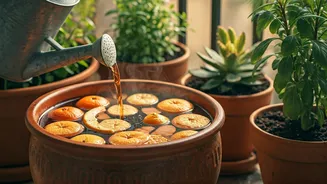
The headline mentions ‘diluted’ wood ash, which is the safest way to apply it, especially in liquid form. This “wood ash tea” prevents dumping a concentrated alkaline substance on your plants. Here’s a simple recipe: 1. **Gather and Sift:** Start with about 1 cup of clean, sifted wood ash. 2. **Mix with Water:** Add the ash to a bucket containing 4-5 litres of water. 3. **Steep and Settle:** Stir the mixture well and let it sit for several hours, or even overnight. This allows the beneficial minerals like potassium to leach into the water. 4. **Strain for Use:** The solid particles will settle at the bottom. Carefully pour the liquid from the top, straining it through a fine cloth or cheesecloth. This clear-ish liquid is your wood ash tea, ready to be used in a spray bottle without clogging the nozzle.
Application for Maximum Protection
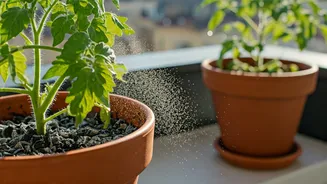
Once your diluted wood ash tea is ready, it’s time to apply it. The best time to spray your plants is in the early morning or late evening, as applying it in direct, hot sunlight can risk scorching the leaves. Pour the strained liquid into a clean spray bottle. Thoroughly mist the plant's leaves, paying special attention to the undersides where pests like aphids love to hide. You can also use the liquid as a light soil drench around the base of the plant. This not only deters soil-dwelling larvae but also provides a gentle boost of potassium, which is essential for flowering and fruiting. Reapply the spray every week or two, or after heavy rain has washed it off.
Important Precautions to Remember
While beneficial, wood ash must be used with care. Its primary characteristic is being alkaline, which means it raises the pH of its environment. Therefore, never use wood ash on or around acid-loving plants. Common examples include ferns, and if you happen to be growing them, flowers like azaleas and hydrangeas. Most vegetables and flowering annuals in India prefer neutral to slightly alkaline soil, so moderate use is generally fine. However, overuse can raise the soil pH too much, locking up essential nutrients and harming the plant. A good rule of thumb is to use it as a targeted pest-control measure rather than a regular fertilizer. If you're unsure, test the spray on a single leaf and wait a day to see how the plant reacts before spraying the entire pot.