






Choose Your Destination Wisely
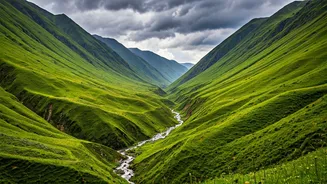
The first step in smart monsoon planning is selecting the right location. While the rains transform many parts of India into verdant paradises, some areas become hazardous. Hilly regions in the Himalayas and Western Ghats, such as parts of Uttarakhand,
Himachal Pradesh, and Kerala, can be prone to landslides. [7, 16, 21] Consider destinations that are beautiful and less affected by heavy downpours, like Udaipur, which receives moderate rainfall, or the relatively dry Spiti Valley and Ladakh. [9, 26, 27] Places like Orchha in Madhya Pradesh or Coorg in Karnataka are also celebrated for their monsoon beauty, but it's crucial to check local conditions and advisories before booking. [4, 27] Always monitor weather forecasts not just for your destination, but for the entire route. [2, 3]
Prioritise Health and Hygiene
The monsoon is a breeding season for germs, and health should be a top priority. Waterborne diseases like cholera and typhoid, along with mosquito-borne illnesses such as malaria and dengue, see a spike during this time. [8, 22] To stay safe, drink only bottled or properly purified water and avoid tap water, even for brushing your teeth. [3, 14, 31] Be cautious with food, especially from street vendors. [2, 10] Opt for freshly prepared, hot meals from clean establishments and avoid raw or pre-cut foods. [5, 17] Boosting your immunity by including Vitamin C-rich fruits in your diet is also a good practice. [14] Frequent hand washing or using a sanitizer is a simple yet effective way to prevent a host of infections. [14, 17]
Pack for the Rain and the Road
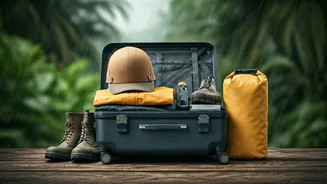
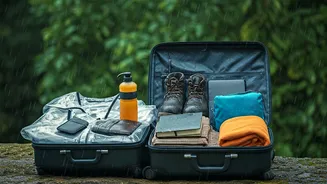
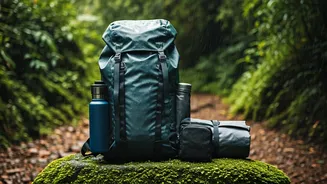
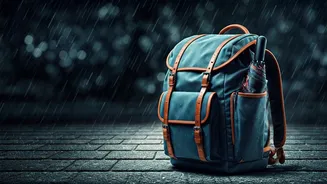
Your packing list for a monsoon trip is different. Fashion takes a backseat to function. Prioritise lightweight, synthetic clothes that dry quickly. [5, 10] A sturdy raincoat, a reliable umbrella, and waterproof footwear are non-negotiable. [3, 4] To protect your valuables, carry waterproof bags or covers for your backpack and ziplock pouches for electronic gadgets like phones and cameras. [2, 11] A portable power bank is essential as power cuts can be frequent. [3, 10] Don't forget a comprehensive first-aid kit containing essentials for common ailments like colds, fever, and indigestion, along with antiseptic cream, bandages, and a strong insect repellent. [5, 10, 11]
Mastering Monsoon Driving
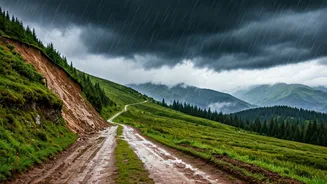
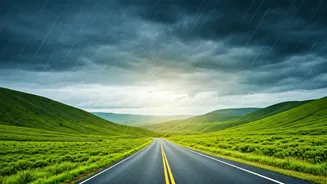
If you're planning a road trip, vehicle preparedness is key. Before you start, ensure your car has been serviced. Check that your tyres have good tread, brakes are in optimal condition, and headlights and windshield wipers are fully functional. [6, 20] Wet roads significantly increase stopping distances, so drive slowly, maintain a safe distance from the vehicle ahead, and brake gently to avoid skidding. [13, 18, 30] Avoid driving through waterlogged streets, as it's difficult to judge the water's depth and you risk stalling your vehicle. [3, 30] It's also wise to map your route in advance and plan your travel to avoid driving at night when visibility is poor and risks are higher. [2, 18]
Stay Informed and Flexible
The weather during monsoon is notoriously unpredictable. Delays are common, whether due to flooded tracks, rerouted flights, or blocked roads. [2, 18] It's wise to build buffer time into your travel itinerary. [2] Stay updated with reliable weather apps and local news. [2] Booking accommodation and travel with flexible cancellation policies can save you from financial loss if plans need to change at the last minute. [2] Keep emergency numbers saved and your phone fully charged. [3] The key to a successful monsoon trip is not just planning, but also having the flexibility to change those plans and enjoy the moment, even if it means sipping hot tea at your hotel while watching the rain fall. [10]