

Lentils and Dals: The Kitchen Staple
Dals are the foundation of Indian cuisine and a primary source of protein for millions. Whether it's toor (arhar), moong, or masoor dal, these lentils are nutritional powerhouses. A 100-gram serving of dry moong dal contains about 24 grams of protein,
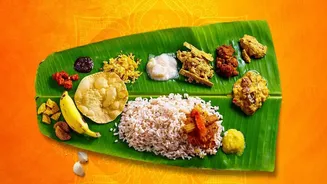
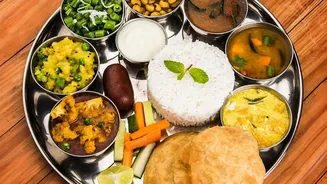
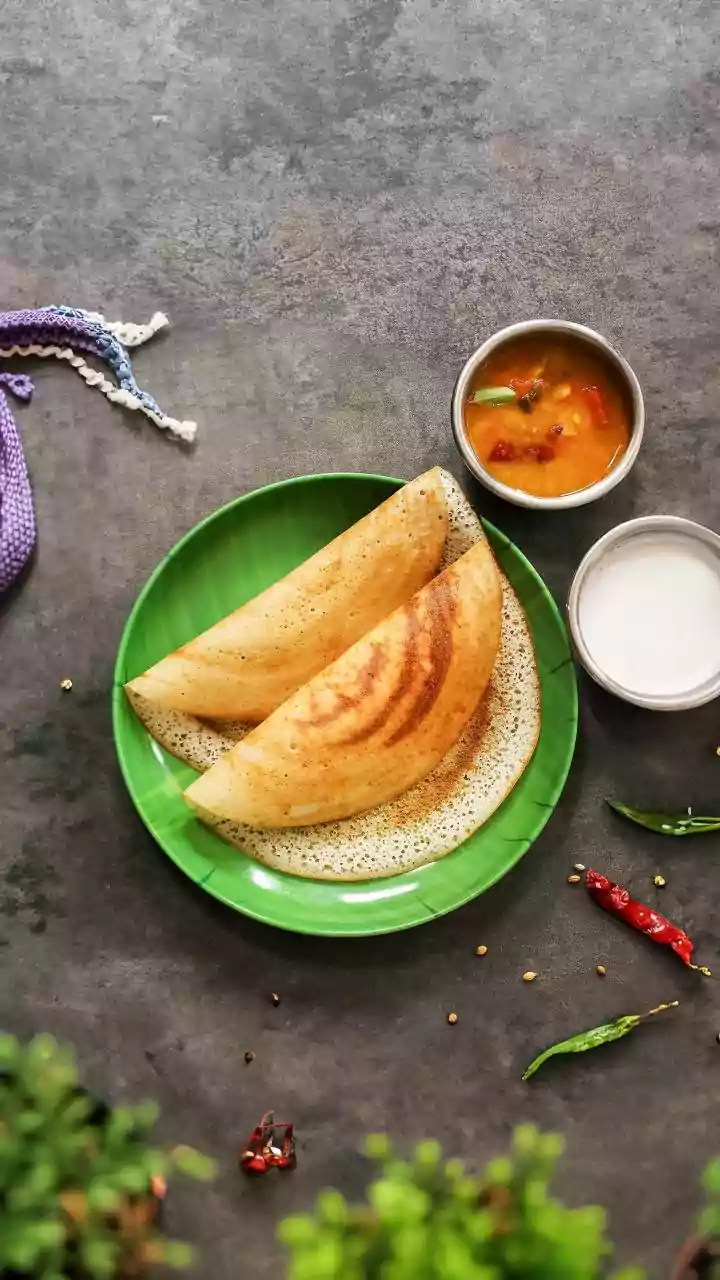
with toor dal providing around 22 grams. They are not only cheap and accessible but also incredibly versatile. A simple dal tadka served with rice creates a complete protein, providing all the essential amino acids your body needs. A single cooked cup can offer anywhere from 15 to 18 grams of protein, making it an easy and effective way to boost your daily intake.
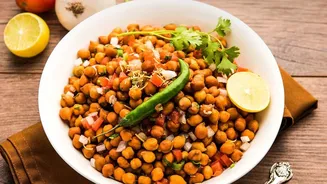
Chickpeas (Chana): More Than Just a Curry
From hearty chana masala to a simple roasted snack, chickpeas are a fantastic and affordable protein source. Available as both the larger white kabuli chana and the smaller black chana, they are rich in protein and fibre. A 100-gram portion of dry chana dal (split chickpeas) can have over 25 grams of protein. Even when cooked, a cup of chickpeas provides around 15 grams of protein. They can be used in curries, salads, or ground into besan (gram flour) to make high-protein pancakes like chilla. This versatility makes them a budget-friendly staple for any kitchen.
Soy Chunks: The Plant-Based Powerhouse
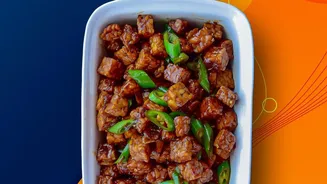
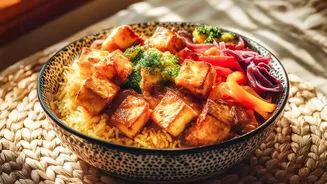
When it comes to plant-based protein, soy chunks (often sold as Nutrela) are in a league of their own. They offer one of the highest protein-per-rupee values available, with a staggering 52 grams of protein per 100-gram dry serving. Because soy protein contains all essential amino acids, it's considered a high-quality protein, comparable to meat or eggs. Their meaty texture makes them an excellent addition to curries, pulao, and stir-fries, providing a substantial protein boost to any vegetarian meal.
Eggs: The Complete and Quick Protein
Often referred to as the 'gold standard' of protein, eggs are both affordable and highly nutritious. A single egg contains about 6-7 grams of high-quality, bioavailable protein, meaning your body can easily absorb and use it. They are also packed with essential vitamins and minerals. Whether boiled, scrambled (bhurji), or made into an omelette, eggs are a quick, easy, and cost-effective way to add a significant protein punch to any meal of the day, from breakfast to dinner.
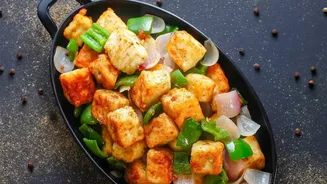
Paneer: A Fresh and Filling Choice
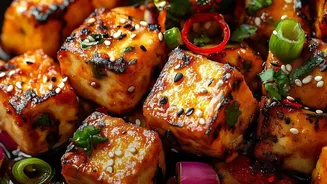
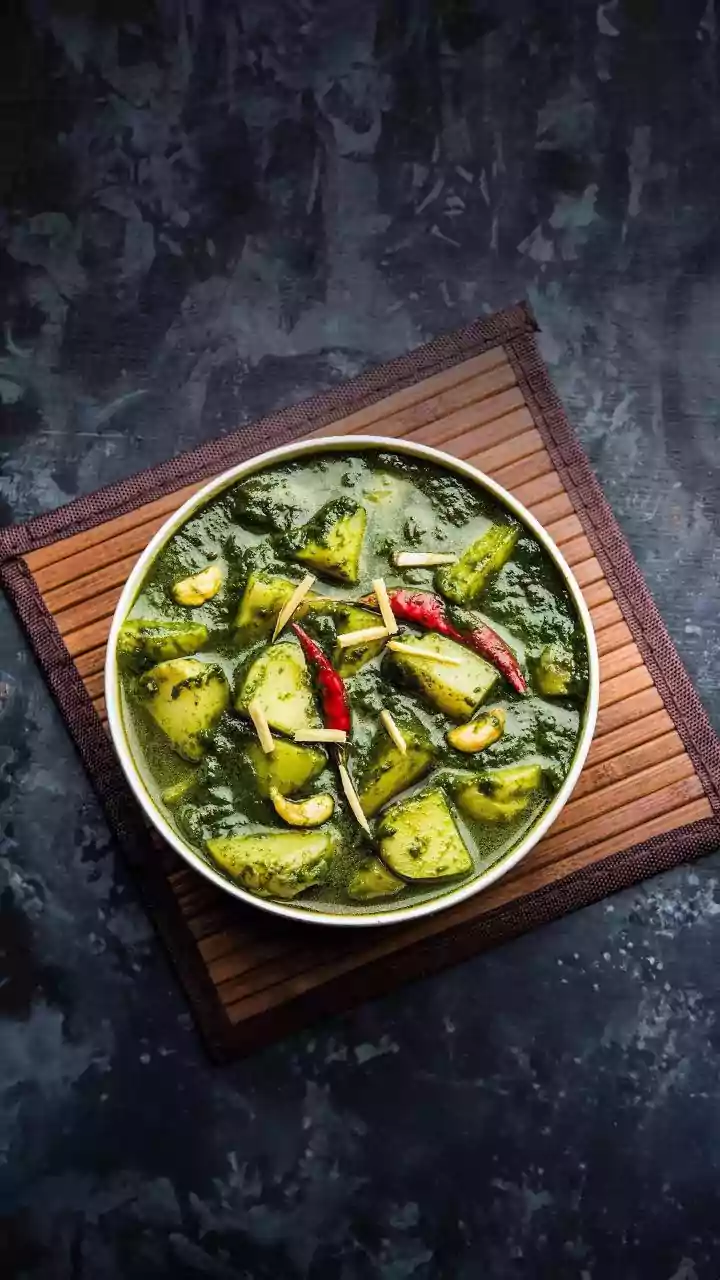
A favourite in vegetarian households, paneer (Indian cottage cheese) is a rich source of slow-digesting casein protein, which helps you feel full for longer. A 100-gram serving of paneer provides roughly 18 to 22 grams of protein. While it can be more expensive than legumes, it remains a popular choice for its taste and versatility in dishes like paneer bhurji, palak paneer, or grilled tikka. It's a fantastic way to add substantial protein to main courses.
Peanuts: The Humble Nutrient Boost
Don't underestimate the humble peanut. As one of the most cost-effective protein sources, peanuts offer about 26 grams of protein per 100 grams. They are also a great source of healthy fats and other essential minerals. Whether you're eating them roasted as a snack, adding a handful to poha, or using peanut butter on roti, they provide an easy and tasty protein lift. Their accessibility and low cost make them an invaluable part of a budget-friendly, high-protein diet.
Sprouts: Living, Low-Cost Nutrition
Sprouting legumes like moong dal or chickpeas is an excellent way to enhance their nutritional profile. The sprouting process increases the bioavailability of vitamins and minerals and can make the legumes easier to digest. Sprouted moong, for instance, is a refreshing and protein-rich addition to salads and chaats. It’s a virtually free method to boost the nutritional value of the dals and beans you already have in your pantry, turning them into a living source of enzymes and protein.