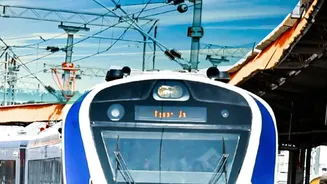







A recent travel video has sparked a nationwide conversation, pitting India’s brand-new Vande Bharat sleeper against the iconic Rajdhani Express. The focus? A feature many travellers crave but rarely get: a quiet journey. So, is the hype real?
The Quest for a Quiet Journey
For decades,
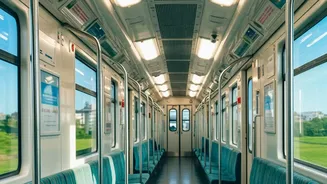
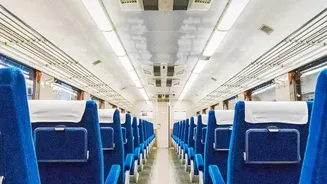
overnight train travel in India has been a sensory experience, and not always in a good way. The rhythmic 'clickety-clack', the chai-wallah's call, and the general hustle are part of the charm for some, but a source of sleeplessness for others. The Rajdhani Express, long the gold standard, uses sturdy LHB coaches that are quieter than older models but can still be prone to noise from movement in the aisles and near the doors. A viral video by a travel content creator specifically highlighted a key design difference: the Vande Bharat sleeper has a dedicated entrance area with a sliding door that separates the passenger berths from the main coach gate. This small but significant change is designed to buffer the sleeping area from the noise and commotion of people entering, exiting, or moving between coaches, a common complaint in traditional 3AC coaches.
Engineering the Sound of Silence
The Vande Bharat sleeper's promise of a quieter ride isn't just about a well-placed door. The train is a self-propelled trainset, meaning it doesn't have a separate locomotive, which reduces certain types of vibrations. The coaches are fully sealed and interconnected with wider gangways, which helps to reduce external noise. Furthermore, Indian Railways has incorporated specific noise-reduction measures and an improved suspension system to create a smoother, more stable journey with fewer jerks and vibrations. This was demonstrated in a trial video where a glass of water remained remarkably steady even as the train reached high speeds, showcasing the stability that contributes to a quieter, more comfortable environment. While Rajdhani's LHB coaches were a major step up in their time, the Vande Bharat represents a new generation of engineering focused squarely on passenger comfort.
Beyond the Noise: A Modern Makeover
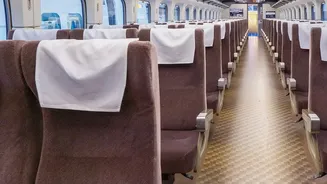
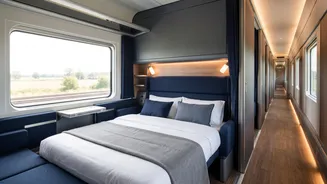
The differences extend well beyond acoustics. Passenger reviews and initial impressions highlight a significant upgrade in amenities and ambiance on the Vande Bharat sleeper. Travellers have praised the premium, hotel-like interiors, sophisticated lighting, and overall cleanliness, particularly of the bio-vacuum toilets which feature touch-free fittings. Berths are described as being more ergonomically designed with better cushioning, and even the ladders for the upper berths have been improved. While the Rajdhani has long been a symbol of premium travel, providing pillows, blankets, and meals, the Vande Bharat aims to elevate this experience with modern touches like sensor-based inter-coach doors, CCTV surveillance for security, and a general feel that some reviewers have compared to an airline experience.
The Enduring Legacy of the Rajdhani
While the Vande Bharat sleeper is the new train on the block, it's important to remember the legacy of the Rajdhani Express. For over 50 years, these trains have been the backbone of premium long-distance travel, connecting the national capital with state capitals. They established the very concept of a high_speed, fully air_conditioned overnight service in India. The Rajdhani network is extensive, reliable, and familiar to millions of passengers. It has a proven track record and, even with the arrival of newer trains, continues to be a dependable and comfortable option for many. The introduction of Vande Bharat sleepers is not necessarily an immediate replacement but rather a gradual evolution, with plans to phase out older rolling stock over time. For now, the Rajdhani remains a vital and respected part of India's railway landscape.