





The winter shuffle: freezing outside, sweating inside. Navigating the temperature gap between a cold street and a warm office is a daily challenge. The key isn't a single magic coat, but the smart art of multi-layering. Here's how to master it.
The Philosophy of Layering
The secret
to all-day comfort in winter is not one thick, heavy coat, but a system of several lighter layers working together. The goal is to trap warm air between each layer, creating effective insulation you can easily adjust. When you step into a heated building, you can remove a layer to avoid overheating. When you head back out, you put it back on. This adaptability is something a single bulky jacket can't offer. The system is typically broken down into three main components: a base layer for moisture management, a mid-layer for insulation, and an outer layer for protection from the elements. Mastering this trio means you can fine-tune your personal thermostat on the go.
The Foundation: A Wicking Base Layer
Everything starts with the layer closest to your skin. Its primary job isn't warmth, but moisture management. When you move from the cold into a warm room, your body perspires, and damp skin leads to a chill when you go back outside. A good base layer wicks that sweat away. The best materials are merino wool and synthetics like polyester. Merino wool is a fantastic natural option; it's soft, resists odours, and insulates even when slightly damp. Synthetics are also excellent at wicking and tend to dry faster. The one fabric to avoid for a base layer is cotton, as it absorbs moisture and holds it against your skin, making you feel cold and clammy.
The Engine: An Insulating Mid-Layer
This is your primary warmth provider. The mid-layer is designed to trap the body heat that the base layer helps preserve. The key here is choosing something that provides significant warmth without being overly bulky, so you can easily take it off and carry it indoors. Excellent options include fleece jackets, down vests, and lightweight wool or cashmere sweaters. Grid fleece is particularly effective, offering a great balance of warmth and breathability. A lightweight 'puffer' vest or jacket using down or synthetic insulation is another versatile choice. It can be compressed easily to fit in a bag when you're inside. This is the layer you'll add or subtract most often, making it the workhorse of your winter wardrobe.
The Shield: A Protective Outer Layer
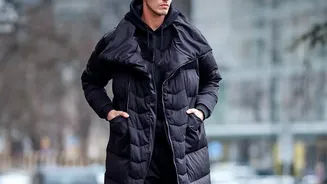
The outer layer, or shell, is your defense against wind and precipitation. For daily urban commuting and errands, you don't necessarily need a heavy duty arctic parka. A lightweight, packable shell jacket that is wind resistant and at least water resistant is often sufficient. These shells are designed to be thin, protecting your insulating layers from the elements without adding much bulk. Many modern puffer jackets combine the mid and outer layer functions by using a wind and water resistant shell filled with insulation. A 'packable' jacket, which can be stuffed into its own pocket, is an incredibly versatile option for travel and commuting, as it can be easily stowed in a tote or backpack.
Putting It All Together for a Typical Day
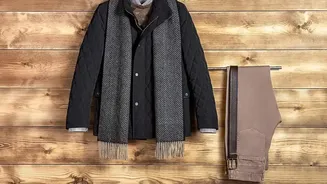
Imagine a cold morning commute. You start with a long sleeve merino wool base layer. Over that, you wear a stylish fleece or a thin down vest. Your outer layer is a simple, weather resistant shell jacket. Topped off with a hat and gloves, you are protected from the outdoor chill. When you arrive at the warm office, you can shed the shell and the mid layer, leaving you comfortable in just your base layer, which looks like a simple long sleeve tee. Heading out for lunch? Just pull the mid layer and shell back on. This system prevents the cycle of overheating and then freezing. It's about having options and using them to stay comfortable, no matter which side of the door you're on.