

The Magic of Face-Framing Layers
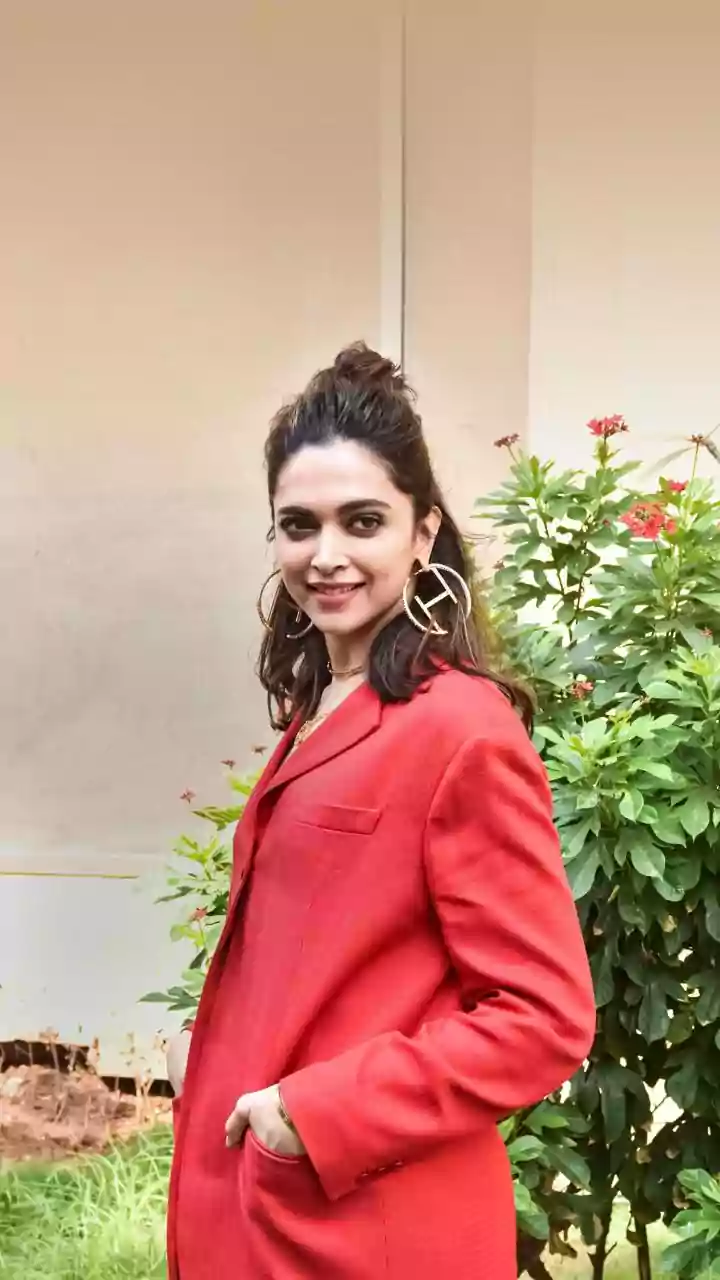
Face-framing layers are shorter pieces of hair strategically cut around the face to highlight your features, add softness, and create movement. Unlike a full head of layers, this technique focuses on the front sections, creating a noticeable refresh without
a dramatic change in overall length. These layers can start at the cheekbone, jawline, or collarbone, depending on the desired effect. The primary goal is to create a soft, blended look that draws attention to your eyes or cheekbones and breaks up the visual weight of a one-length cut. This makes them incredibly versatile and a low-commitment way to update your style.
The Butterfly Cut for Bouncy Volume
For those who love a polished, high-volume look, the butterfly cut is an excellent choice. This style features shorter, sweeping layers on top, resembling butterfly wings, combined with longer layers underneath that preserve the overall length. The layering technique is focused on creating a rounded, bouncy shape that works especially well on medium to long hair. It is designed to be styled with a round brush during a blowout to achieve that signature flicked-back effect around the face. The result is a glamorous, airy style with significant movement and shape, particularly at the crown.
The Modern Shag for Effortless Texture
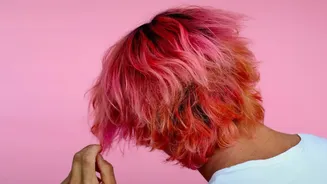
If you prefer a more relaxed, rock-and-roll vibe, the modern shag is your answer. This cut is built on choppy, disconnected layers that create texture and the illusion of thickness. Unlike the smooth, blended layers of a butterfly cut, a shag uses more aggressive texturizing to create an undone, piecey finish that looks great air-dried. It is particularly effective for enhancing natural waves and adding lift at the roots, preventing hair from falling flat. Often paired with curtain bangs, the shag frames the face beautifully while offering a low-maintenance styling routine.
Ghost Layers for Invisible Movement
For anyone hesitant about visible layers, 'ghost layers' offer the perfect solution. This subtle technique involves cutting fine, hidden layers underneath the top section of hair. Because these shorter pieces are not on the surface, the haircut maintains the appearance of a one-length style while benefiting from internal volume and movement. A stylist uses precise cutting techniques to remove weight from the inside of the hair, which allows the outer layers to have more lift and swing without a choppy look. It is an ideal choice for adding body to fine hair or reducing bulk in thick hair without sacrificing length or a clean perimeter.
Styling Your Layers for Maximum Effect
The right cut is only half the battle; styling brings it to life. A classic blowout with a round brush is one of the best ways to enhance any layered style, lifting the roots and curling the ends to show off the different lengths. For wavy textures, a sea salt spray can encourage natural bends and create an effortless, beachy look. When using heat tools, focus on curling the mid-lengths and ends, leaving the roots smooth to avoid unwanted puffiness. Always start with a heat protectant, and finish with a blast of cool air to set your style and boost shine.