







Prioritise Your Health and Hygiene
The monsoon can be a breeding ground for germs and mosquitoes, making health precautions paramount. The risk of waterborne diseases like typhoid and cholera, and mosquito-borne illnesses like dengue and malaria, increases. Always drink bottled, filtered,
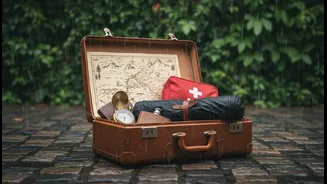
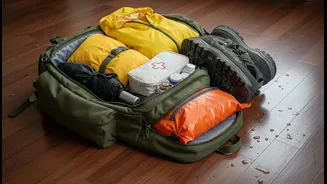
or boiled water, and be cautious with ice in drinks. While street food is a highlight of Indian travel, it's safer to opt for hot, freshly cooked meals from clean, reputable restaurants during this season. Avoid raw salads or pre-cut fruits. Pack a basic medical kit with essentials for fever, stomach upsets, antiseptic cream, and waterproof bandages. Using a strong insect repellent, especially in the evenings, and wearing long-sleeved clothing can significantly reduce the risk of mosquito bites.
Pack Smart, Not Just Light
Monsoon packing is about strategic choices. Swap your cotton clothes for synthetic, quick-drying fabrics like polyester and nylon. They don't absorb much water and dry quickly in humid conditions, which is a lifesaver when you're on the move. Instead of one heavy jacket, layer your clothing. A lightweight waterproof poncho or rain jacket is essential and often more practical than an umbrella in windy conditions. When it comes to footwear, leave the leather and canvas shoes at home. Opt for rubber sandals, floaters, or quick-dry sneakers with a good grip to navigate slippery surfaces and waterlogged streets. It's also wise to pack an extra pair of socks to avoid the discomfort of wet feet.
Safeguard Your Electronic Gadgets
High humidity and sudden downpours are the enemies of electronics. Protecting your phone, camera, and laptop is crucial. Invest in waterproof pouches or even simple zip-lock bags to store your gadgets when you're outdoors. A waterproof backpack or a rain cover for your existing bag provides an excellent first line of defence. For extra protection against ambient humidity, which can damage internal components, consider carrying a few silica gel packets in your electronics bag. If a device does get wet, turn it off immediately, remove the battery if possible, and do not try to charge it. Wiping it dry and placing it in a bag with silica gel can help absorb moisture.
Navigate Transportation Challenges
Travel during the monsoon often requires patience and flexibility. Flights, trains, and buses can be delayed or cancelled due to heavy rain and low visibility. It's wise to build buffer days into your itinerary. If you're planning a road trip, be aware that driving conditions can be hazardous. Roads become slippery, increasing braking distances, and potholes may be hidden by water. Reduce your speed, maintain a safe distance from the vehicle ahead, and always use your low-beam headlights during heavy rain for better visibility. Avoid driving through deep, standing water as it can cause your vehicle to stall and lead to serious engine damage. Planning your travel during daylight hours is always a safer bet.
Choose Your Destination Wisely
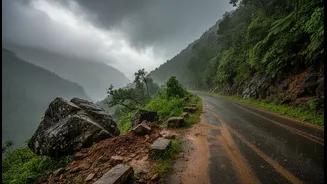
While the monsoon enhances the beauty of many destinations, it can make others inaccessible or risky. Some regions, particularly in the Himalayas, become prone to landslides. It's crucial to check weather forecasts and local advisories before and during your trip. Destinations in the Western Ghats, Rajasthan, and parts of Central India can be stunning during this season, offering lush landscapes and fewer crowds. However, coastal areas might experience very heavy rainfall. Opting for destinations that are easier to reach and have well-maintained infrastructure can make for a more relaxing trip. A shorter getaway to a nearby location can often be more enjoyable than an ambitious, multi-day journey through difficult terrain.