







What is Geoengineering?
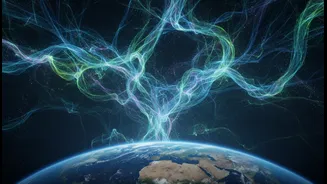
Geoengineering refers to the deliberate, large-scale intervention in the Earth's natural systems to counteract climate change. For years, it was the stuff of science fiction, but as the planet warms and emissions targets are missed, it's being discussed
more seriously in scientific and policy circles. The core idea is to either reduce the amount of solar energy reaching the Earth or to pull massive amounts of carbon dioxide out of the atmosphere. Proponents see it as a potential tool to limit the worst effects of global warming, while many others raise alarms about unforeseen consequences.
The Two Main Approaches
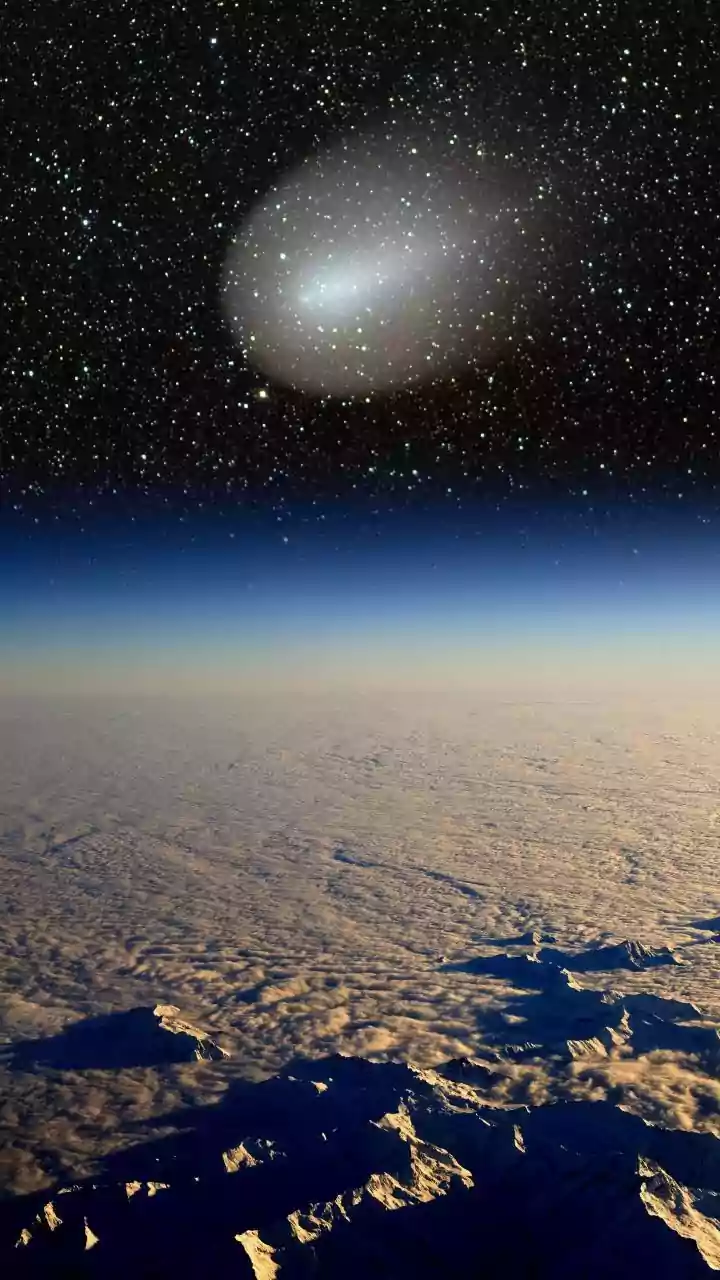
Geoengineering strategies largely fall into two distinct categories. The first is Solar Radiation Modification (SRM), which aims to reflect sunlight back into space. Methods include injecting reflective aerosol particles into the stratosphere to mimic the cooling effect of large volcanic eruptions or brightening marine clouds to make them more reflective. The second category is Carbon Dioxide Removal (CDR), which focuses on taking CO2 already in the atmosphere and storing it. This includes natural solutions like large-scale tree planting and more high-tech options like Direct Air Capture (DAC) facilities that chemically scrub CO2 from the air.
Limit 1: Unpredictable and Dangerous Side Effects
One of the most significant concerns is that we can't predict all the consequences of tinkering with the planet's climate system. Computer models show that Solar Radiation Modification, for example, could have wildly different effects across the globe. While it might cool the planet on average, it could also drastically alter weather patterns, potentially disrupting the vital Indian monsoon or causing severe droughts and floods in other regions. These interventions could also damage the ozone layer or fail to stop ocean acidification, which is caused by absorbed CO2. One recent study warned that a specific type of geoengineering could cripple the El Niño cycle, triggering massive changes to global weather.
Limit 2: The 'Termination Shock' Risk
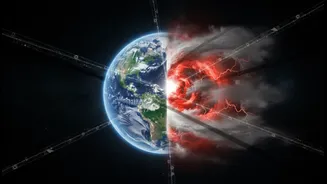
With Solar Radiation Modification, a particularly frightening scenario is the “termination shock.” These technologies don't eliminate greenhouse gases; they just mask the warming effect. If an SRM program were to be deployed for decades and then suddenly stopped for any reason—be it political disagreement, war, or technical failure—the accumulated warming would hit the planet all at once. Studies suggest this could lead to a rapid and catastrophic temperature spike, potentially two to four times faster than the warming we're experiencing now. Ecosystems and human societies would have little to no time to adapt.
Limit 3: A Moral Hazard and Governance Nightmare
Many scientists and policymakers worry that the promise of a geoengineering 'fix' could create a moral hazard, reducing the incentive for governments and corporations to do the hard work of cutting greenhouse gas emissions. It offers a dangerous distraction from the real solution, which is transitioning away from fossil fuels. Furthermore, the governance questions are staggering. Who gets to decide to deploy these technologies? Who controls the planet's thermostat? A unilateral deployment by one nation could have devastating effects on another, potentially leading to geopolitical conflict. Currently, no international framework exists to manage this technology, and many scientists have called for a non-use agreement.
Not a Substitute for Real Action
While Carbon Dioxide Removal techniques are seen by many scientists as a necessary component to achieve climate goals, they too have limits. They can be expensive, energy-intensive, and require vast amounts of land, potentially competing with food production. The Intergovernmental Panel on Climate Change (IPCC) has made it clear that while some CDR may be needed, it is not a substitute for deep, rapid, and sustained emissions cuts. The consensus among a vast majority of climate scientists is that geoengineering, particularly SRM, is fraught with uncertainty and risk. It is not the solution to the climate crisis.