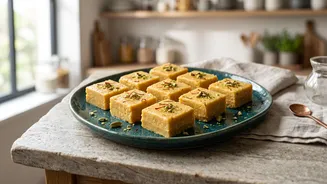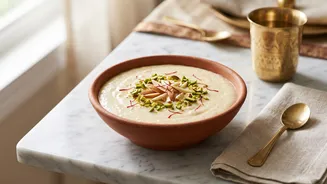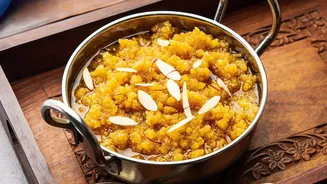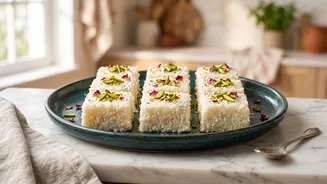



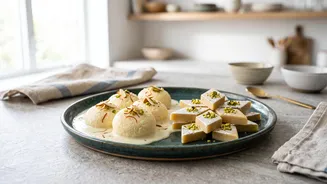
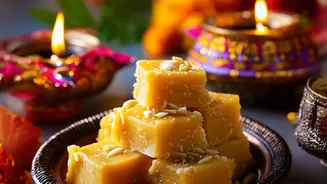
The festival of Bhai Dooj celebrates the beautiful bond between siblings, and what better way to express that love than with a homemade sweet? This guide carefully explores how to master Coconut Barfi, a timeless treat for this special day.
A Sweet Symbol of Affection
Bhai Dooj is
a festival defined by heartfelt rituals, where sisters pray for their brothers' well-being and longevity. The exchange of sweets is a central part of this tradition, symbolising the sweetness and purity of the sibling relationship. While store-bought mithai is always an option, preparing a sweet at home adds a personal touch that is truly special. Coconut Barfi, or Nariyal Barfi, is a classic choice for many households. It is relatively simple, requires few ingredients, and its rich, fudgy texture is universally loved, making it the perfect offering to celebrate your cherished bond.
Gathering Your Simple Ingredients
The beauty of Coconut Barfi lies in its simplicity. At its core, you only need two main ingredients: coconut and a sweetener. For the best flavour and texture, freshly grated coconut is often recommended, as its natural moisture creates a softer barfi. However, fine desiccated coconut is a convenient and reliable alternative; many recipes suggest soaking it in warm milk for an hour to rehydrate it. Your sweetening agent can be traditional sugar, which can be used to create a syrup or mixed in directly, or sweetened condensed milk for a quicker, creamier result. A touch of ghee adds richness and aroma, while a pinch of cardamom powder provides a classic festive fragrance.
The Art of a Perfect Cook
The secret to a great barfi is patience and paying close attention to the cooking process. Whether you're using sugar or condensed milk, the goal is to cook the mixture on a low to medium flame, stirring continuously. This prevents the ingredients from sticking to the pan or browning, which would alter the flavour and colour. The key is to cook until the mixture thickens and starts to leave the sides of the pan, coming together as a single mass. If you're using a sugar syrup method, achieving a 'one-string consistency' before adding the coconut is crucial for the final texture. Rushing this process is the most common mistake, so give it time—it can take anywhere from 20 to 30 minutes to reach the right stage.
Avoiding Common Pitfalls
Two issues often plague homemade barfi: it's either too hard or it fails to set. If your barfi turns out hard and crystalline, it means the mixture was overcooked. To avoid this, cook on a lower flame and remove it from the heat as soon as it forms a cohesive, fudge-like ball. Conversely, if your barfi is too soft and doesn't set properly, it's a sign that the mixture is undercooked and contains too much moisture. The fix is simple: just return the mixture to the pan and cook for a few more minutes, stirring constantly, until it thickens further. The perfect barfi should be firm enough to cut cleanly but soft enough to melt in your mouth.
Setting and Creative Variations
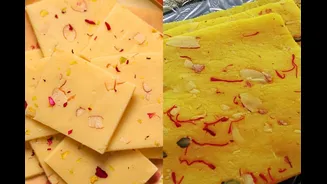
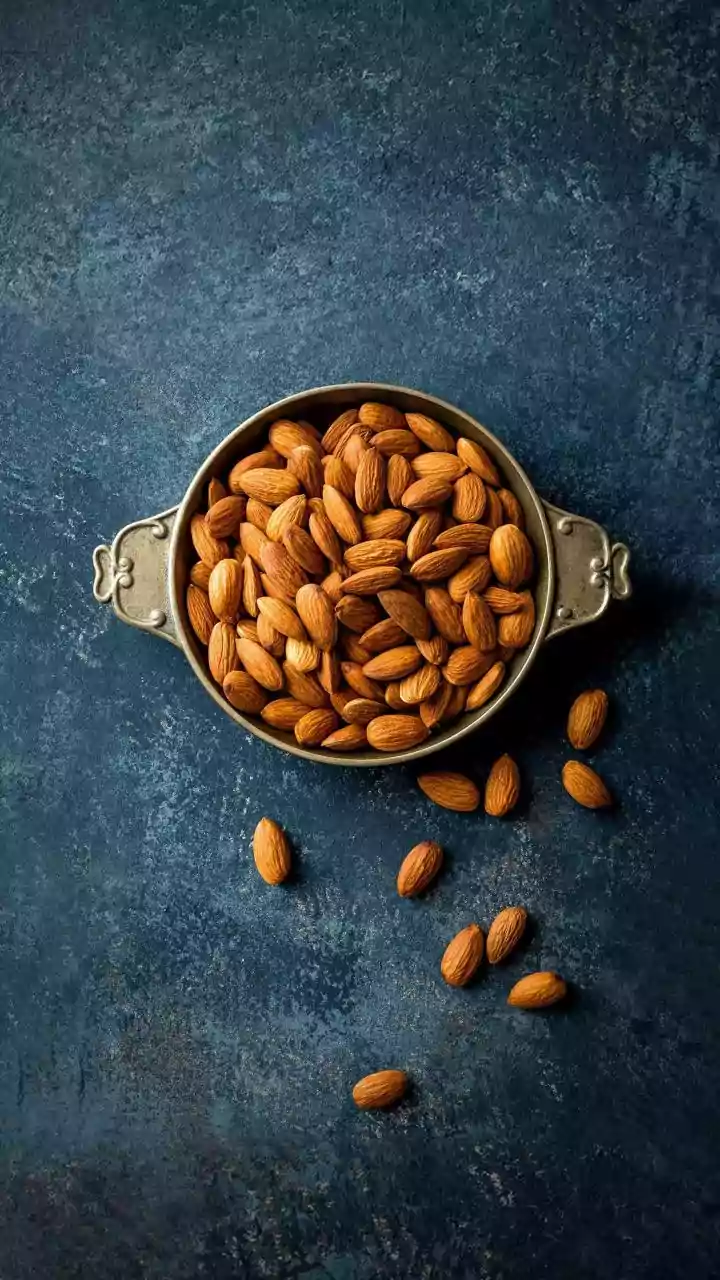
Once cooked, immediately transfer the mixture to a greased tray or a dish lined with parchment paper. Use a spatula to press it down into an even layer of your desired thickness. While it's still warm, you can garnish with chopped pistachios, almonds, or even edible silver leaf (vark) for a festive look. Allow the barfi to cool completely at room temperature for at least an hour before cutting it into squares or diamonds. For creative variations, consider adding a few strands of saffron to the milk for a beautiful colour and aroma, a splash of rose water for a floral note, or even adding milk powder for a richer, mawa-like texture. One modern twist even involves caramelising the sugar first for a deeper flavour profile.