





From Macros to Microbes
For years, the fitness conversation was dominated by macros—carbohydrates, proteins, and fats. The goal was to hit specific numbers, often with the help of meticulous food tracking apps and kitchen scales. It was a mathematical, often rigid, approach
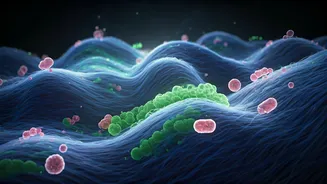
to health. Now, a growing number of young people are looking past the numbers on the scale and tuning into the trillions of microbes living in their digestive systems. This shift is towards 'gut vitality,' a holistic concept that prioritizes a healthy gut microbiome as the foundation for overall well-being. It’s less about restriction and more about nourishment, focusing on how you feel rather than what the data says.
Why the Sudden Gut Feeling?
This pivot isn't happening in a vacuum. It’s a direct response to the burnout caused by restrictive diet culture. Many young Indians, exposed to years of 'perfect body' narratives online, are exhausted by the anxiety of constant tracking and the feeling of failure when they can't adhere to strict plans. The focus on gut health feels more intuitive and forgiving. It aligns with a broader cultural movement towards mental well-being, where reducing stress is as important as physical exercise. Social media, once the home of 'what I eat in a day' videos that promoted low-calorie diets, is now filled with tutorials on making kombucha, kimchi, and the benefits of probiotic-rich dahi and kefir. This new wave promotes feeling good from the inside out, linking gut health to clearer skin, better moods, and stronger immunity.
The Science of a Happy Gut
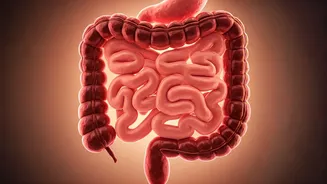
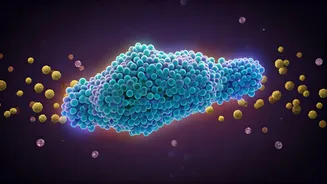
The buzz around gut health is backed by a growing body of scientific research. Our gut is home to a complex ecosystem of bacteria, viruses, and fungi known as the microbiome. A balanced microbiome is crucial for digestion, absorbing nutrients, and regulating the immune system. More fascinating is the 'gut-brain axis,' a communication network that links our digestive system directly to our brain. This connection helps explain why an unhealthy gut can contribute to mood swings, anxiety, and 'brain fog.' When you feed your gut beneficial bacteria (probiotics) and the fibre they thrive on (prebiotics), you're not just improving digestion; you're potentially boosting your mental and emotional health, too. This scientific backing gives the trend a layer of credibility that many fad diets lacked.
Eating for Your Inner Ecosystem
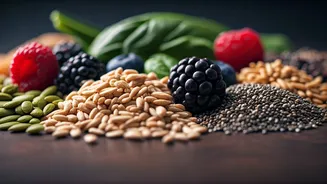
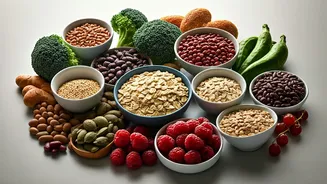
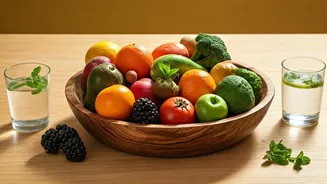
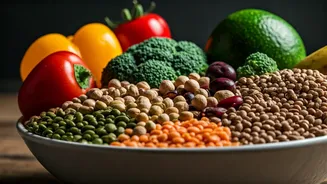
Adopting a gut-friendly diet doesn't require expensive, imported superfoods. In fact, many staples of traditional Indian cuisine are fantastic for gut health. Fermented foods are packed with probiotics, the 'good' bacteria. This includes everyday staples like dahi (yoghurt) and idli/dosa batter, as well as pickles (achar) made through natural fermentation. Prebiotics, the 'food' for these good bacteria, are found in high-fibre foods like onions, garlic, bananas, oats, and legumes like lentils and chickpeas. The key is diversity. Instead of focusing on eliminating food groups, the gut-centric approach encourages eating a wide variety of plant-based foods to nourish a rich and diverse microbiome. It’s about adding more goodness in, not just cutting things out.
A Balanced Perspective is Key
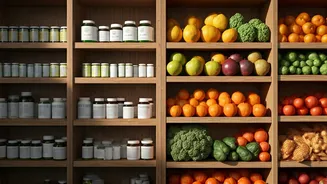
While the move towards gut health is largely positive, it’s important to approach it with a balanced mindset. The wellness market is quickly filling up with expensive probiotic supplements, many of which may not be necessary or effective for everyone. There’s a risk of turning gut health into another obsession, where people become anxious about feeding their microbiome 'perfectly.' The true spirit of this trend is to move away from rigid rules. True gut vitality is also linked to stress management, adequate sleep, and regular physical activity. Viewing gut-friendly foods as one part of a healthy lifestyle—rather than a magic cure-all—is the most sustainable path forward.