




Why Your Container is Crucial
The wrong container does more than just let your food get cold. It can ruin textures, turning crisp items soggy and making rice rubbery. Flimsy plastics can warp or stain, while poorly sealed lids lead to the dreaded bag spill. More importantly, keeping
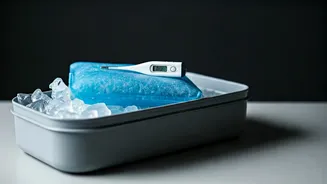
food at a safe temperature is vital. Foodborne illnesses can multiply rapidly at room temperature, making a good insulated container a matter of health as much as enjoyment. A thoughtfully chosen container preserves the flavour, texture, and warmth of a home-cooked meal, making your lunchtime a genuine pleasure rather than a sad compromise.
Material Matters: Steel vs. Glass vs. Plastic
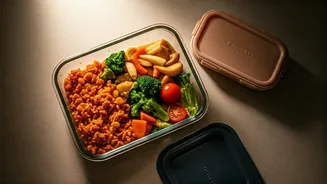
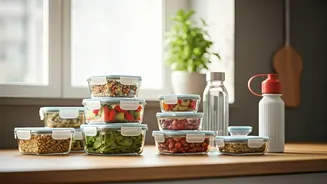
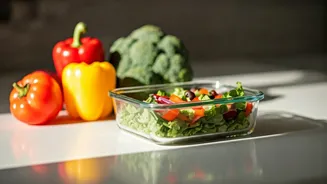
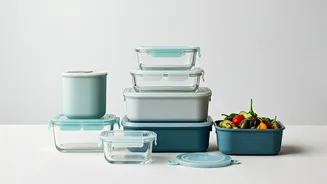
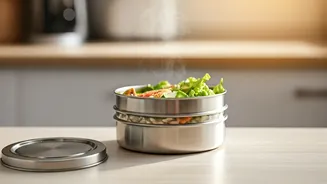
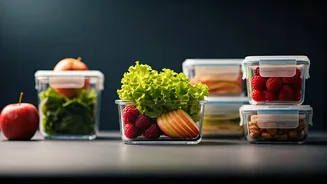
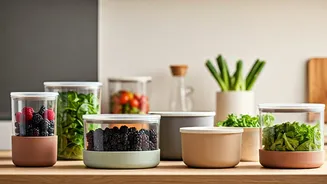
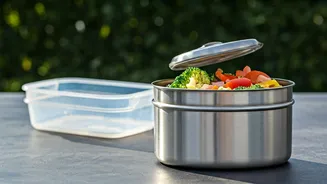
The material of your container is the most important decision. Stainless steel is the champion for heat retention. Double-walled, vacuum-insulated steel tiffins or jars can keep food hot for several hours. They are durable, lightweight, and won't absorb odours or stains from curries and spices. Their main drawback is that most are not microwave-safe. Glass is excellent for purity and reheating. It's non-porous, so it won't hold onto flavours or smells, and you can easily see what's inside. Most glass containers are microwave, oven, and freezer-safe, making them incredibly versatile for meal prep. However, they are heavy and breakable, which makes them less ideal for a daily commute. Plastic is lightweight and affordable, but it's the least effective choice for hot meals. It doesn't retain heat well and can stain and absorb odours over time. If you must use plastic, ensure it is high-quality, BPA-free, and specifically rated for hot food, like those made from Polypropylene (PP, or recycling code 5). Never use plastics not intended for food, and avoid reheating oily or acidic foods in plastic, as this can increase the chance of chemicals leaching.
The Insulation Imperative
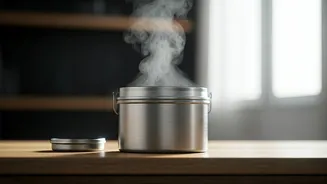
For a truly hot lunch, insulation is non-negotiable. Look for containers that are explicitly described as 'insulated', 'thermos', or 'thermal'. The best options feature double-walled vacuum insulation. This design creates a void between two layers of steel, preventing heat from escaping. A quality insulated container can keep a meal hot for up to six hours. For an extra boost, preheat your container by filling it with boiling water for a few minutes before you add your hot food. Discard the water, dry the inside, and then pack your steaming meal. This simple step stops the cold steel from absorbing heat from your food.
Leak-Proofing Your Life
A hot meal is worthless if it's decorating the inside of your bag. Leaks are a common disaster, especially with Indian gravies and dals. Look for containers with high-quality silicone gaskets or seals in the lid, which create an airtight barrier. Many modern tiffins also feature secure clip-lock systems or screw-top lids for added security. Some premium designs even include a vacuum valve on the lid; pressing it pushes out air to create a stronger seal and can help prevent spills. A truly leak-proof container gives you the confidence to carry anything from sambar to soup without worry.
Features That Elevate the Experience
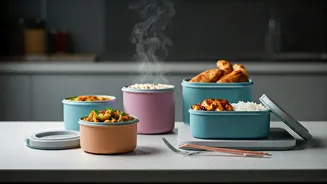
Once you've sorted the basics of material and insulation, consider the details that fit your lifestyle. Multi-tiered or compartmentalized tiffins are a classic for a reason, allowing you to keep different dishes separate—no more dal mixing with your rice before you're ready. Some single-pot containers come with a sliding divider for the same purpose. A wide-mouth design makes a container easier to fill, eat from directly, and, crucially, clean. For ultimate convenience, some brands now offer innovative stainless steel containers that are actually microwave-safe, giving you the best of both worlds—durability and easy reheating.