





Understand the ‘Why’: Blue Light and Your Brain
Before changing a habit, it helps to know why it matters. The screens on our phones, tablets, and laptops emit a blue light that is particularly effective at tricking our brains into thinking it's still daytime. This light suppresses the production of
melatonin, the hormone your body needs to feel sleepy and wind down. Beyond the light, the content itself—from news articles to social media feeds—keeps your mind in a state of high alert, making it difficult to relax and transition into a restful state.
Set a Digital Curfew
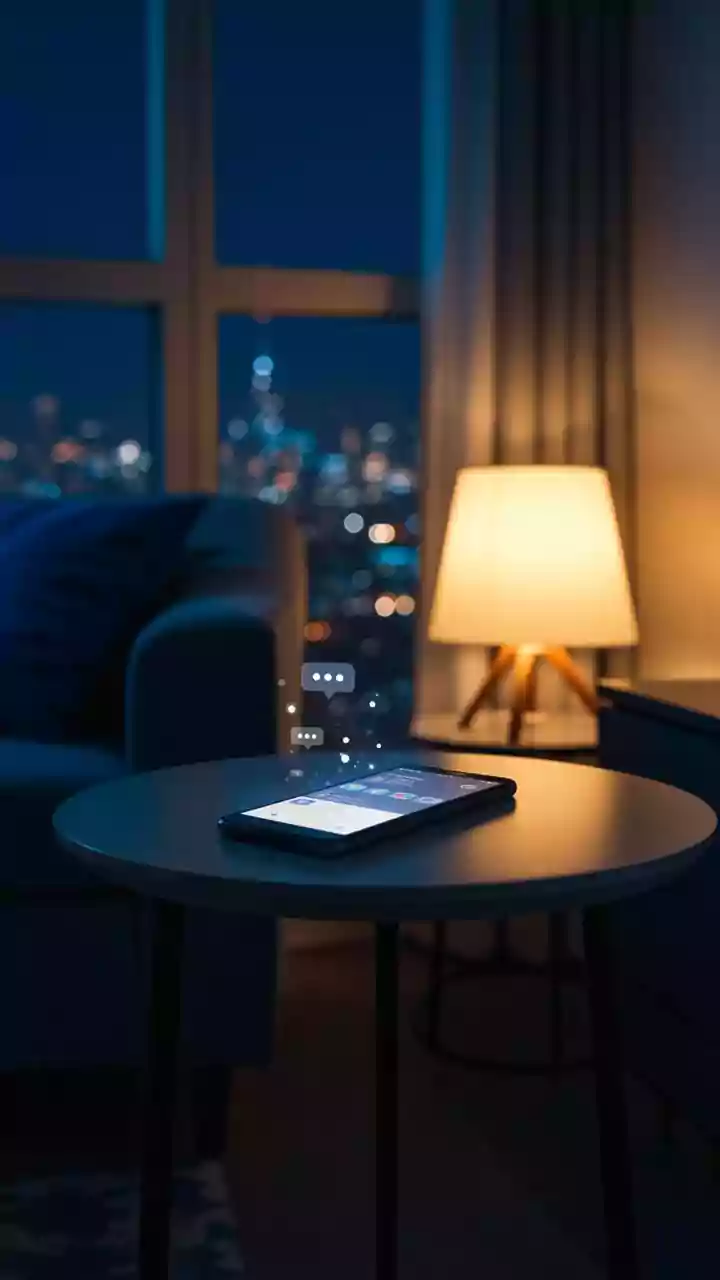
The most recommended strategy is to establish a clear cut-off time for all screens. Most experts suggest stopping all device use at least one to two hours before you plan to sleep. If that feels too ambitious, start with a more manageable 30 minutes and gradually extend the screen-free window. You can set an alarm on your phone—not to wake you up, but to tell you when it’s time to power down for the night. This creates a crucial buffer period for your brain to start producing melatonin and begin the process of slowing down.
Create a Tech-Free Bedroom
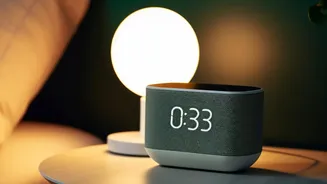
One of the most effective ways to avoid temptation is to make your bedroom a screen-free zone. The simple act of charging your phone in another room, like the kitchen or living room, removes it from arm's reach. This prevents mindless scrolling right before you turn off the lights and stops you from checking notifications the moment you wake up. If you rely on your phone as an alarm, consider investing in an inexpensive, traditional alarm clock. This single change removes the primary excuse for keeping a phone by your bedside.
Replace Scrolling with a Relaxing Ritual
When you put down your phone, the resulting void can feel boring. The key is to replace the scrolling habit with a new, relaxing one. Instead of staring at a screen, try engaging in 'analog' activities that calm the mind. Pick up a physical book or magazine. Do some light stretching or journaling to get thoughts out of your head. Even simple tasks like tidying one surface or laying out your clothes for the next day can provide a sense of closure and calm. The goal is to signal to your body and mind that the day is over and it's time for rest.
Use Your Phone's Own Tools
If you absolutely must use your device in the evening, you can at least reduce the harm. Most modern smartphones have builtin features designed to minimize sleep disruption. Settings like 'Night Shift' on iPhones or 'Eye Comfort Shield' on Android devices shift the screen's colour temperature from a stimulating blue to a warmer, amber tone. While this doesn't solve the problem of mental stimulation, it does reduce the intensity of blue light exposure. You can also schedule 'Downtime' or 'Bedtime Mode' to silence notifications and gray out your screen, making it far less appealing to use.
Try an Audio WindDown
If silence feels unsettling, you can still use technology to help you relax—just without the screen. Listening to a calming podcast, a guided meditation, a chapter of an audiobook, or a playlist of soothing music can help you wind down without any light exposure. This allows your mind to gently wander and detach from the day's stresses, preparing you for sleep in a way that watching a video or scrolling through images cannot. It provides stimulation for your brain but in a much less active and more passive form.