
Tea is one of the world's most beloved beverages, a daily ritual steeped in tradition. But what if some of those long-held beliefs are actually preventing you from enjoying the perfect cup? It’s time to clear the air and debunk some myths.
Myth: You Must Always Use Boiling Water
This is perhaps
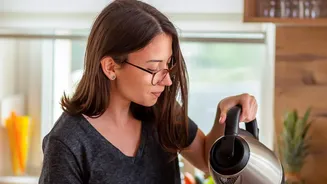
the most common mistake a tea drinker can make. While robust black teas and herbal infusions do well with fully boiling water (around 100°C), that same temperature will scorch delicate green and white teas, resulting in a bitter, unpleasant taste. A general rule is the darker the tea, the hotter the water. Green and white teas thrive in cooler temperatures, typically between 70°C and 85°C. If you don't have a variable temperature kettle, simply let your boiling water sit for two to three minutes before pouring it over more delicate leaves. Paying attention to the ideal temperature for your specific tea type is a game-changer for flavour.
Myth: Steeping for Longer Makes Tea Stronger and Better
While steeping longer does make tea stronger, it doesn't necessarily make it better. In fact, over-steeping is the primary cause of bitterness. When tea leaves sit in hot water for too long, they release an excess of tannins, which are compounds that create an astringent, drying sensation in the mouth. Each tea type has an ideal steeping window. For example, many green teas need only 1-3 minutes, while black teas are best around 3-5 minutes, and herbal infusions (tisanes) can often go for 5 minutes or more without issue. It’s always best to start with the lower end of the recommended time and taste. You can always steep for another 30 seconds, but you can't undo a bitter brew.
Myth: Green Tea Has Less Caffeine Than Black Tea
This is a widespread belief that isn't strictly true. Green tea and black tea come from the same plant, Camellia sinensis, so their raw leaves can have similar caffeine levels. The final caffeine content in your cup depends more on the specific cultivar, the age of the leaves (younger leaves are often higher in caffeine), and, most importantly, your brewing method. Black tea is typically brewed with hotter water for a longer duration, which extracts more caffeine. Green tea, brewed correctly at a lower temperature for a shorter time, will generally yield less caffeine in the cup. So, while a cup of black tea often ends up having more caffeine, the tea leaves themselves don't have a fixed caffeine hierarchy based on colour.
Myth: Adding Milk Ruins the Health Benefits
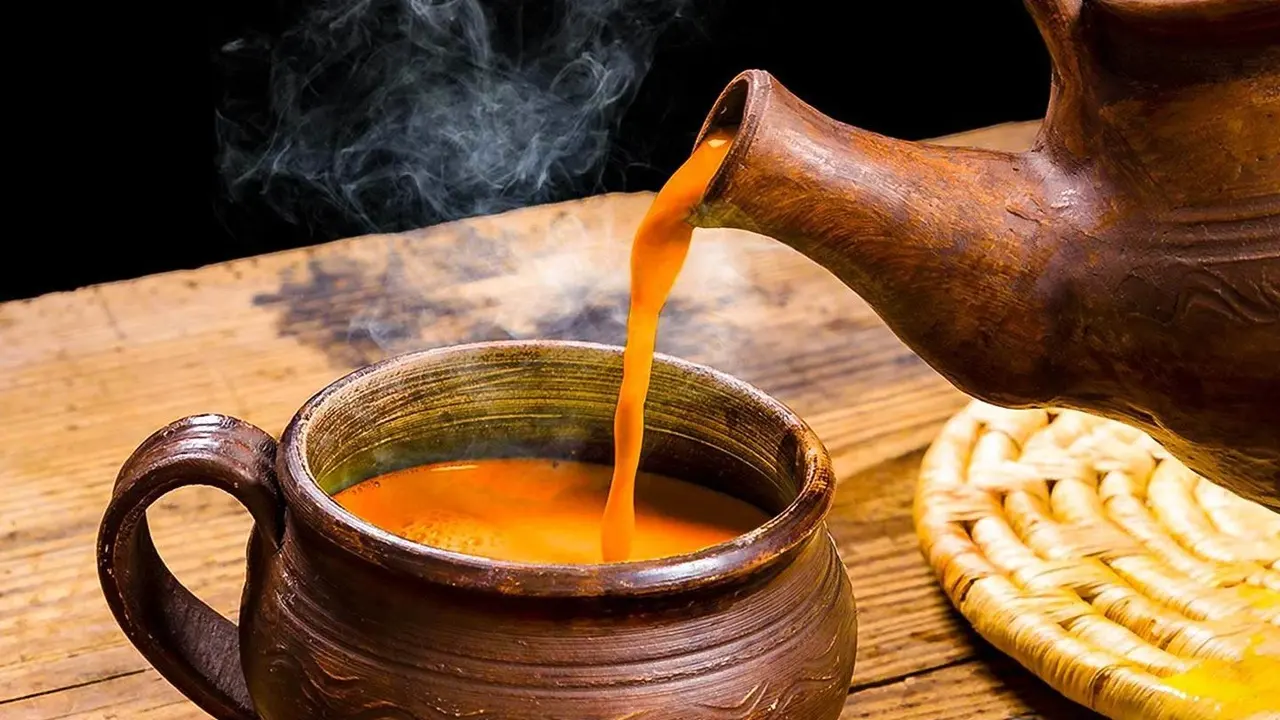
This is a hot topic with conflicting evidence. The concern is that casein, a protein in milk, can bind with catechins (a type of antioxidant) in tea, potentially reducing their absorption by the body. Some lab studies show this does happen, reducing the measurable antioxidant capacity in the liquid. However, human studies have produced mixed results, and the overall impact for the average person is likely minimal. Even with milk, tea is still a source of antioxidants and other beneficial compounds. Unless you are drinking tea specifically for a therapeutic dose of antioxidants, the minor reduction caused by a splash of milk shouldn't be a major concern for your overall health.
Myth: Loose-Leaf Tea is Always Better Than Tea Bags
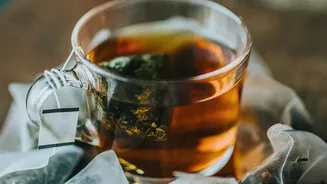
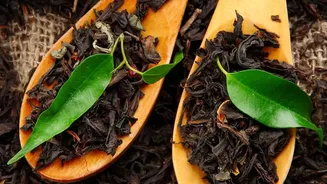
While it's true that loose-leaf tea often represents higher quality, the bag itself isn't the problem—it's what's inside. Many standard, flat tea bags are filled with 'fannings' and 'dust'—small particles of tea leaves that infuse quickly but can result in a flat, one-dimensional, or bitter flavour. Loose-leaf tea, consisting of whole or larger broken leaves, has more space to unfurl and release a more complex and nuanced flavour profile. However, the gap is closing. Many brands now offer high-quality, whole-leaf tea in spacious, pyramid-shaped sachets that allow the leaves to expand properly, offering the convenience of a bag with the quality of loose tea. The key is leaf quality and room to brew, not just the format.
Myth: All Herbal Teas Are 'Tea'
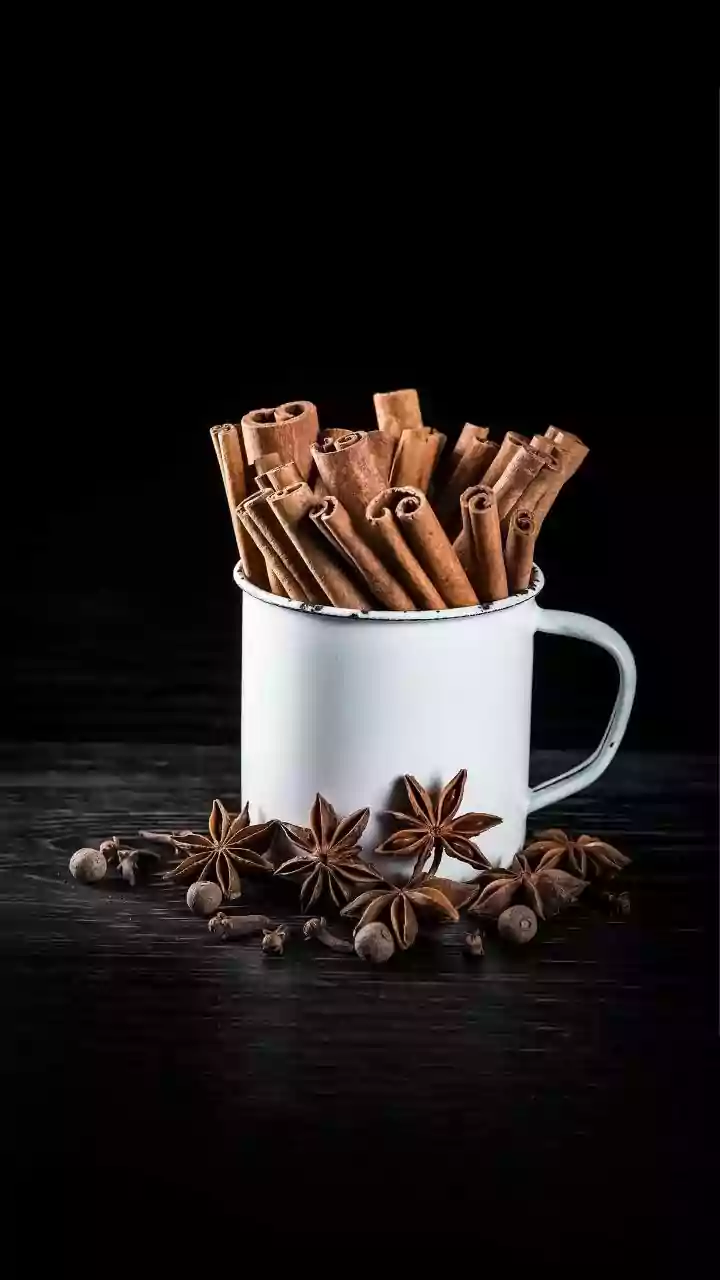
Technically, anything that doesn't come from the Camellia sinensis plant is not 'true tea'. Beverages made from steeping herbs, flowers, fruits, or spices—like peppermint, chamomile, or rooibos—are properly called 'tisanes' or herbal infusions. The main difference is that true teas (black, green, white, oolong) naturally contain caffeine, whereas most tisanes are naturally caffeine-free. While in everyday conversation, calling a cup of chamomile a 'tea' is perfectly fine, knowing the distinction helps when reading labels, especially if you're looking to avoid caffeine.