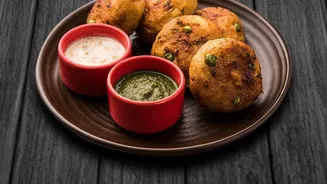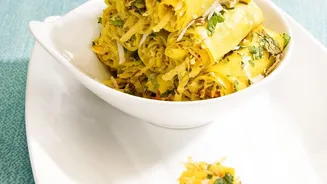

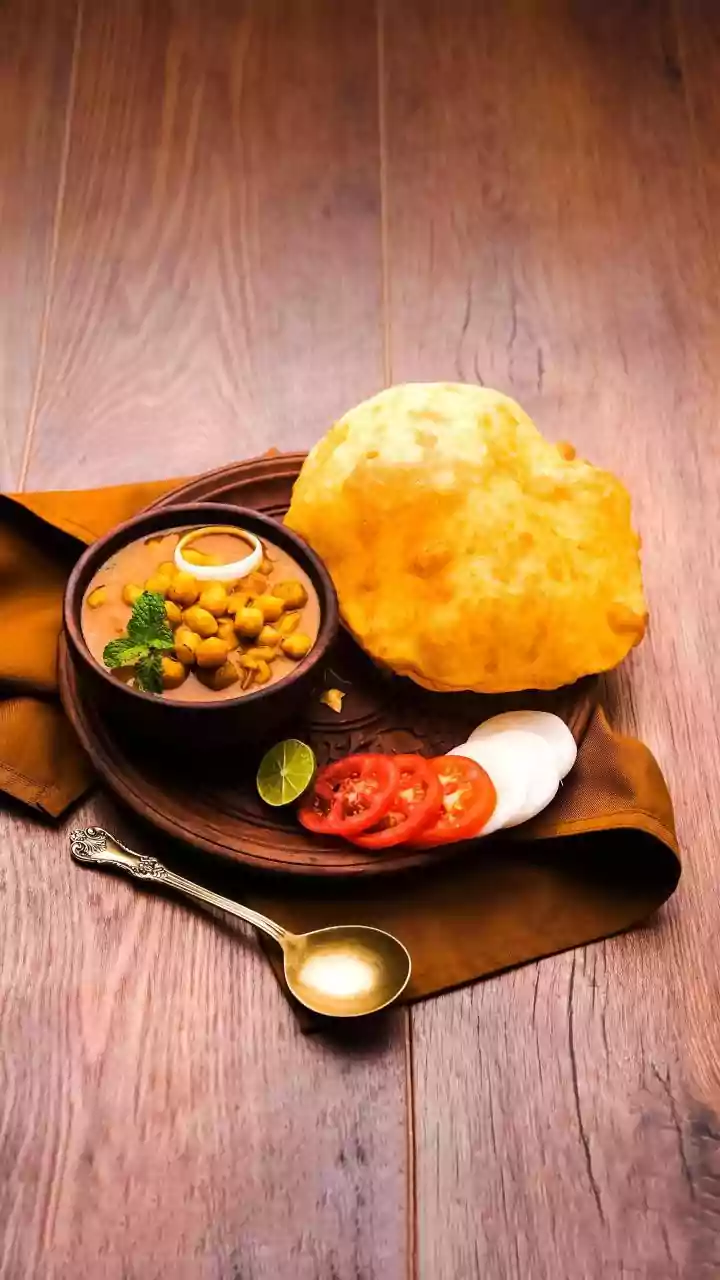
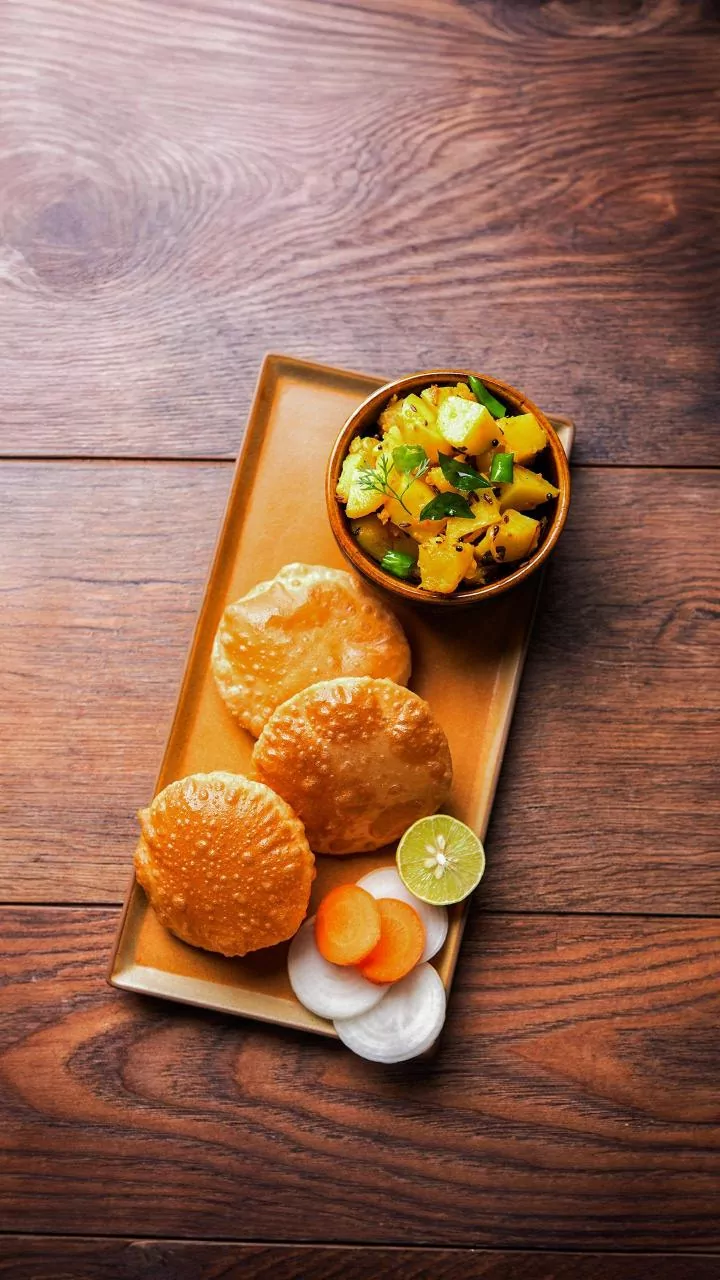

The Powerful Pull of Nostalgia
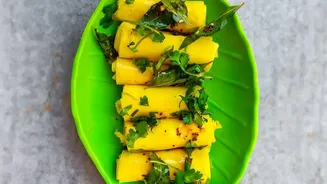
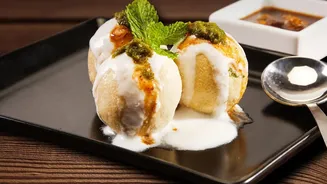
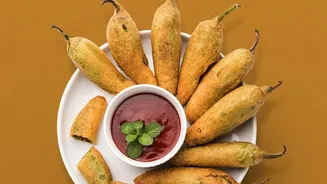
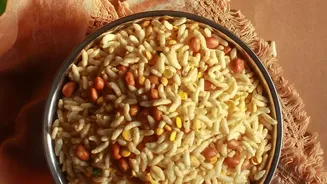
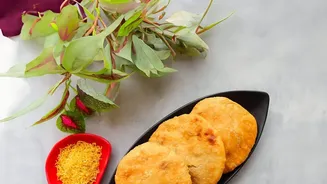
At its core, the enduring appeal of traditional flavours is a story about memory. Taste is deeply linked to our emotions and past experiences. For many, a bite of a masala-flecked snack isn't just a treat; it's a direct line to childhood memories, festive
celebrations, or the simple comfort of 'ghar ka khaana' (home-cooked food). These flavours are ingrained in the Indian palate from a young age, creating an emotional attachment that new, foreign tastes often can't replicate. While consumers enjoy experimenting, they frequently return to these familiar, comforting favourites. This phenomenon isn't just sentimental; it's a powerful market force. People are willing to pay for the authenticity and comfort that comes with a taste of home.
A Booming Market Built on Tradition
India's snack market is experiencing significant growth, with projections showing it could reach over INR 103,556 Crore by 2034. This expansion is driven by rising disposable incomes, urbanisation, and a preference for convenient, on-the-go options. Within this booming industry, traditional and ethnic flavours aren't just a niche segment; they are a dominant force. Key players like Haldiram's, Bikaji, and Balaji Wafers built their empires on the foundation of classic namkeens and regional specialties. They understood early on that while lifestyles change, taste preferences often remain rooted in tradition. This trend shows a clear consumer shift towards branded products that offer the hygiene and quality of modern packaging alongside the authentic flavours they grew up with.
Innovation, Not Just Imitation
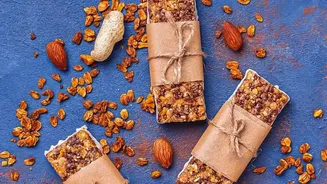
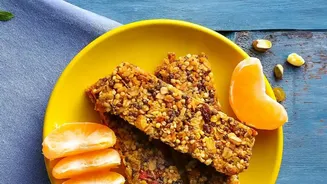
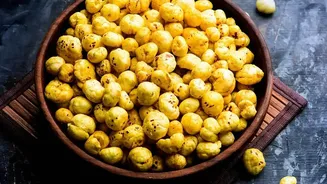
The success of familiar flavours isn't about stagnating in the past. Instead, the most successful modern brands are blending tradition with innovation. This new wave of snacking involves reinterpreting classic tastes for a contemporary audience. Think of millet-based chips with a jaggery glaze, baked chakli for the health-conscious, or nacho chips dusted with tangy Indian spices. Brands are also getting creative with formats, turning traditional recipes into convenient, shelf-stable products. This fusion appeals to younger generations who may be drawn to global trends but still crave a connection to their roots. It's a strategy that acknowledges that consumers want the best of both worlds: the comfort of the old and the excitement of the new.
From Local Kiranas to Global Shelves
The influence of these flavours is no longer confined to India. Traditional Indian snacks are becoming cultural ambassadors on the global stage. Driven by a large diaspora and a growing international appetite for authentic ethnic foods, Indian flavours are appearing in snacks worldwide. What started with foundational exports like samosas and namkeens has evolved into a premium market for regional delicacies. This global appeal reinforces their importance back home, adding a layer of pride and validation. The flavours that were once specific to a single state or community are now part of a global culinary conversation, proving their timeless and universal appeal.