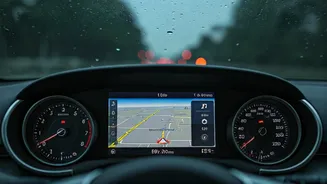









The Limits of the Algorithm
We’ve all come to rely on navigation giants like Google Maps. They are phenomenal tools, using vast amounts of data to predict travel times and suggest the fastest routes based on historical patterns and aggregated speed data from other users. For major
highway closures or rush-hour slowdowns, they are indispensable. However, their bird's-eye view has a blind spot: hyperlocal, sudden disruptions. An algorithm can't always see the water-logging in a single underpass after a brief, intense shower. It won't know about a minor accident blocking a key neighbourhood lane, a fallen tree, or a local procession that has brought a side street to a complete standstill. These apps are reactive; they register a jam once enough phones have slowed down in that area. By the time the map turns red, you're often already part of the problem. This is where the standard approach to navigation falls short, especially on chronically unpredictable stretches of road that locals know are prone to chaos.
The Power of On-the-Ground Intel
This is where the idea of "shared community apps" comes in. This isn’t a single brand, but a strategy that leverages real-time reports from fellow commuters—people who are physically present on the ground. Think of it as digital word-of-mouth. These platforms turn passive drivers into an active network of traffic reporters. The most well-known example is Waze, which was built from the ground up on this principle. Users can report accidents, police presence, potholes, and traffic jams with a few taps. But the concept extends beyond dedicated apps. Hyperlocal WhatsApp and Telegram groups, community Facebook pages, and even local Twitter feeds have become invaluable sources of on-the-ground intelligence. Someone living on a congested road can post a photo of a broken-down truck blocking the lane, giving you a heads-up minutes before any algorithm could possibly detect the resulting slowdown. This human element is the key advantage.
A Smarter Two-Step Commute Plan
So, how do you put this into practice? It's not about ditching your primary navigation app entirely, but about augmenting it with community intel. Think of it as a two-step verification for your route.
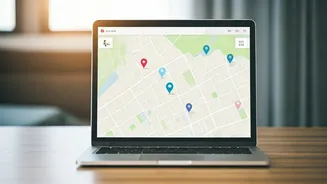
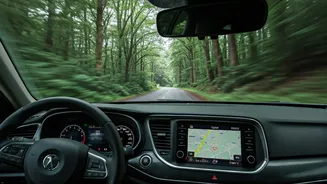
First, plot your main journey using Google Maps or your preferred app. This gives you the best macro-level route based on large-scale traffic patterns.
Second, before you approach a known trouble spot—that tricky flyover, the narrow market road, or our infamous High Ridge Road—switch to your community source. Quickly scan the Waze reports for that area or check the latest messages in your local traffic group. Has someone reported a fresh bottleneck? If so, you have a crucial window of opportunity to take a different local lane or wait a few minutes before proceeding. And don't forget to contribute. If you see something, report it. You're not just helping yourself; you're helping the entire community of drivers around you.
How to Find Your Community
Finding these hyperlocal groups is easier than you think. Start by searching on Facebook or Telegram for terms like "[Your Neighbourhood] Traffic," "[Your Commute Route] Updates," or "[Your City] Road Conditions." Many residential welfare associations (RWAs) now run WhatsApp groups that share this kind of essential information. Ask around in your building or neighbourhood; chances are, a group already exists. For apps like Waze, the community is built-in. The more people using it in your area, the more data points are generated, and the more reliable it becomes. Encourage friends and colleagues who share your commute to use it and contribute reports. The network effect is powerful; a small, active group of reporters can make a massive difference for hundreds of other drivers on the same route.
What to Watch For
While community-sourced data is powerful, it’s not foolproof. It’s essential to approach it with a bit of healthy scepticism. A report of a "massive jam" might be an exaggeration from a single frustrated driver. Information can also become outdated quickly; an accident reported 20 minutes ago might have already been cleared. Unlike an algorithm, human reports can be subjective. This is why using it as a secondary source, a final check before a bottleneck, is the smartest strategy. You are using it to validate or challenge what your primary app is telling you. It requires a bit more active engagement than blindly following a blue line, but the payoff in saved time and reduced stress is often well worth the minimal effort involved in a quick, pre-emptive check.