





Stay Dry with a Waterproof Jacket
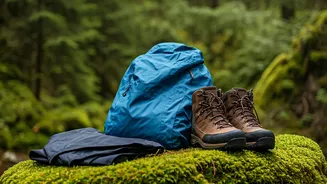
The single most important piece of gear is a high-quality waterproof jacket. Look for one that is not just water-resistant but fully waterproof, with sealed or taped seams to prevent leaks. [7] Modern cycling jackets offer excellent waterproofing (look
for a rating of at least 10,000mm) while also being breathable. [7] Breathability is crucial, especially in India's humid monsoons, as it allows sweat to escape, preventing you from getting wet from the inside. [7] Features like underarm vents or 'pit zips' provide extra temperature regulation, and a packable design means you can easily store it when the sun comes out. [7]
See and Be Seen
Visibility plummets during a downpour for both you and other road users. [17] Brightly coloured and reflective clothing is essential to make you more visible to motorists. [4, 5, 8] Many waterproof jackets come in fluorescent yellows or oranges for this reason. [12] Just as importantly, you need to see clearly. A cycling cap worn under your helmet is a classic and effective trick. [6, 17] Its brim directs rain away from your face and eyes. For those who wear glasses, a cap can significantly reduce the amount of water hitting your lenses, while some riders opt for clear or lightly tinted cycling glasses to protect their eyes from spray. [15]
Equip Your Bicycle for the Wet
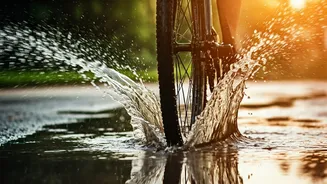
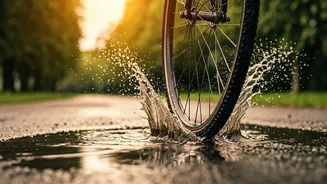
A few key accessories can make a world of difference to your bike's performance and your comfort. Full-length mudguards are a non-negotiable item; they prevent water and road grime from spraying up onto your back, legs, and drivetrain. [2, 5, 23] This not only keeps you cleaner and drier but also protects your bike's components from abrasive grit. [2] Good quality front and rear lights are also a must-have, even during the day, to increase your visibility in gloomy conditions. [4, 12] A flashing rear light is particularly effective at catching the attention of drivers. [12]
Keep Your Feet and Hands Happy
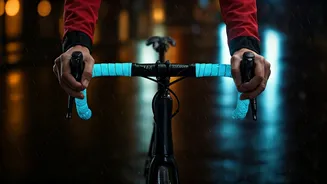
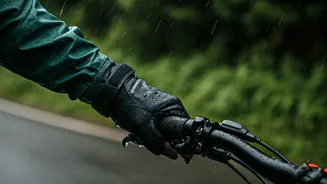
Cold, wet feet can quickly turn a pleasant ride into a miserable one. Waterproof shoe covers, or overshoes, are designed to fit over your regular cycling shoes to keep them dry. Alternatively, waterproof cycling shoes are a great investment if you plan on riding frequently in the rain. [9, 21] Similarly, your hands can get cold and your grip can suffer on wet handlebars. A good pair of full-finger waterproof gloves will keep your hands warm, dry, and firmly in control of the brakes and gears. [9, 22]
Protect Your Belongings
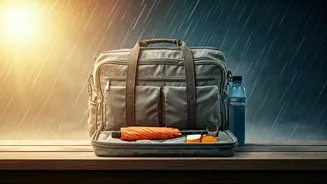
If you are commuting or carrying essentials like a phone, wallet, or a change of clothes, keeping them dry is a priority. Investing in a fully waterproof backpack or pannier bags is the most reliable solution. [24] These bags are often made from materials with welded seams to ensure no water gets in. For a more budget-friendly option, you can use a waterproof cover for your existing backpack or place your belongings inside smaller dry bags before putting them in your main bag. A simple zip-lock bag is also a great way to protect your phone. [22]
Post-Ride Bike Care is Crucial
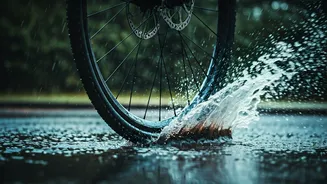
The rain doesn't just affect you; it's hard on your bike. Rain and road grit can lead to rust and wear on your chain and other components. [2, 5] After every wet ride, it’s important to give your bike a quick rinse to remove mud and grit. [2] Dry it thoroughly with a cloth, paying special attention to the chain, derailleurs, and brakes. [5] Once the chain is dry, apply a 'wet' chain lube. Unlike dry lube, wet lube is designed to resist being washed off by water, protecting your drivetrain from rust and ensuring smooth gear shifts on your next ride. [2, 7]