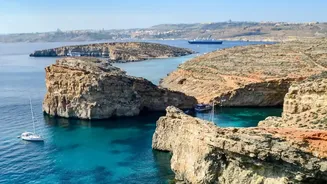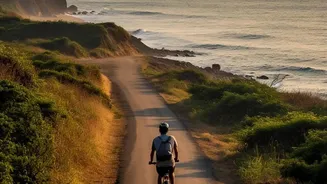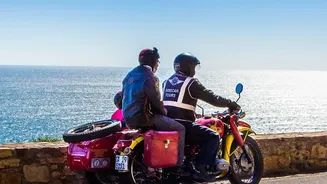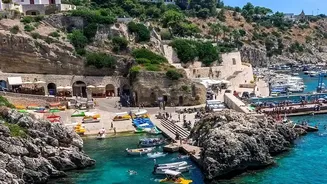


A Coast of Contrasts
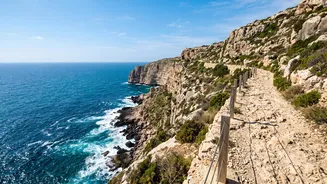
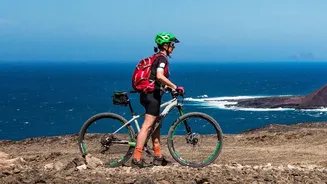
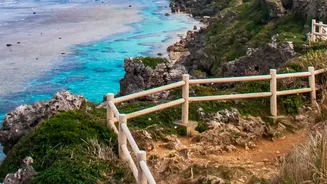
Malta’s coastline isn't a single, uniform entity; it’s a dynamic landscape that directly shapes every cyclist's journey. The island’s relatively small size is deceptive. To the west, you'll find the awe-inspiring Dingli Cliffs, Malta's highest point,
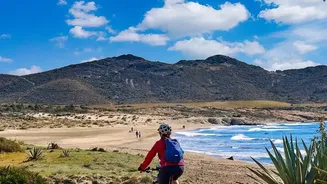
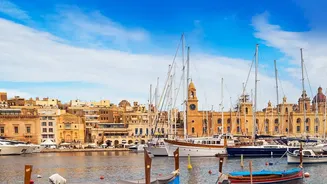
offering dramatic, rugged trails with significant elevation changes best suited for experienced riders. The north is characterised by sandy beaches like Golden Bay and Mellieħa Bay, where routes feature more forgiving rolling hills and rewarding seaside stops. In the southeast, the coast is defined by history, with the fortified Grand Harbour and the colourful fishing village of Marsaxlokk providing a cultural backdrop for flatter, more leisurely rides. This variety means your itinerary is dictated by the coast's character: are you seeking a challenging climb with panoramic views, a gentle ride to a beach, or a historical tour on two wheels?
The Rugged Western Cliffs
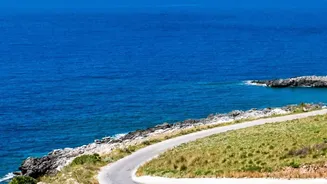
For those who crave a challenge, the western coast is the ultimate destination. The route from the medieval 'Silent City' of Mdina out to the Dingli Cliffs is a classic. This journey takes you through quiet rural landscapes before revealing the breathtaking coastal panoramas. At approximately 250 meters above sea level, the cliffs present a formidable and rewarding challenge. The terrain here is mixed, with some paths being rough and better suited to mountain bikes or e-bikes. The payoff is the unparalleled view straight down to the sea and the feeling of conquering Malta's most dramatic natural landmark. This route is less about speed and more about soaking in the raw, windswept beauty of the island's high-altitude coastline.
The Historic Southeast
Cycling in the southeast of Malta is like pedalling through an open-air museum. The coastal roads connecting the Three Cities (Senglea, Bormla, and Birgu) are relatively easy and offer stunning views of the Grand Harbour and Valletta's fortifications. A popular and gentle 15km route connects this historic area with Marsaxlokk, Malta's largest fishing harbour. This path allows you to experience the slower pace of the island's fishing communities. The landscape here is defined by the bays and peninsulas, with brightly painted 'luzzu' boats bobbing in the water. While traffic can be busy on connecting roads, sticking to the waterfront promenades makes for a relaxed, family-friendly ride that combines exercise with rich cultural immersion.
The Northern Beaches and Bays
The northern part of Malta is synonymous with the island's best sandy beaches, and the cycling routes here reflect that. A popular loop near Mellieħa takes you towards Popeye Village and offers fantastic coastal views. These routes are generally considered moderately difficult due to the rolling hills, but they are well-paved and accessible. The journey from Rabat to Golden Bay is another favourite, cutting through agricultural heartlands before culminating at one of the island's most beautiful beaches. The coastal road north of St. Paul's Bay also provides a direct, scenic ride towards the Gozo ferry terminal at Ċirkewwa. These itineraries are shaped by the promise of a refreshing swim, making them perfect for warm days.
Gozo: A Cyclist’s Paradise
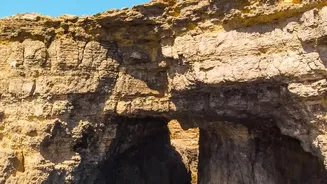
A short ferry ride away, Malta's sister island of Gozo offers a more tranquil and rural cycling experience. Often described as hillier but with less traffic, Gozo is a haven for cyclists. A 42-kilometer coastal route circles much of the island, passing through charming villages, by the famous salt pans near Marsalforn, and offering views of landmarks like the Ta' Pinu Basilica. The terrain is varied, with challenging climbs rewarded by breathtaking vistas and descents to secluded coves like Wied il-Għasri and Ramla Bay. Gozo's compact size, just 14km by 7km, makes it possible to explore a huge variety of coastal landscapes in a single day, from the dramatic cliffs at Ta' Ċenċ to the unique Inland Sea at Dwejra.