




Understanding the Weather Alert
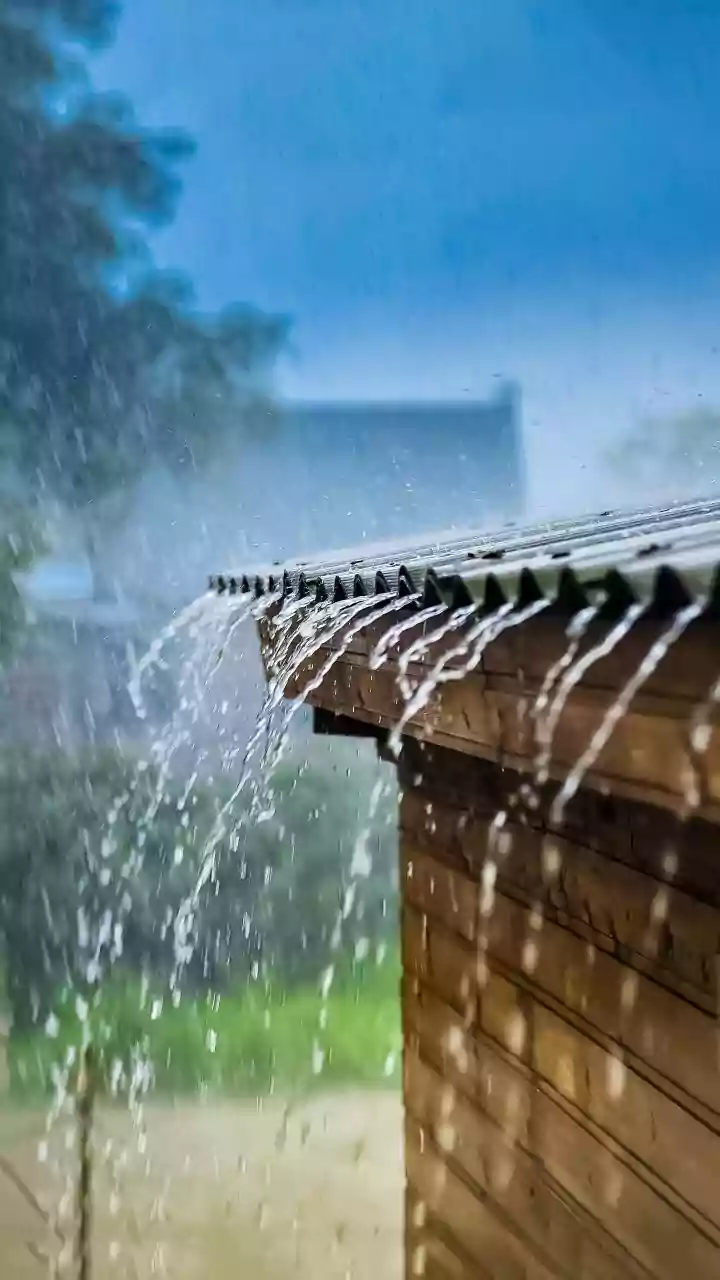
The India Meteorological Department (IMD) has forecast an active monsoon spell across several parts of the country extending to the end of August and into the first day of September. Widespread rainfall is expected over eastern, central, and northeastern
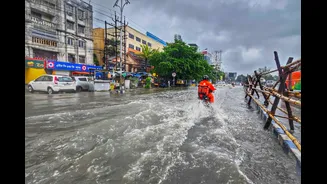
India. States like Odisha are on alert for isolated very heavy rainfall from August 29 to September 1. The Northeast, including states like Arunachal Pradesh, Assam, Meghalaya, Nagaland, Manipur, Mizoram, and Tripura, will also experience prolonged wet conditions. Central India, particularly Madhya Pradesh and Chhattisgarh, is also expected to see significant rainfall. For travellers, this means a higher risk of disruptions, including waterlogging, traffic delays, and potential landslides in hilly regions like Uttarakhand.
Should You Reconsider Your Destination?
Flexibility is key. If your itinerary includes regions under a heavy or very heavy rainfall warning, it's wise to reconsider. Areas prone to landslides, such as parts of Uttarakhand and Himachal Pradesh, require extreme caution. Similarly, low-lying areas in states like Bihar, Uttar Pradesh, and West Bengal could face waterlogging and flooding. If you can, shifting your travel plans to regions with lighter rainfall predictions might be a safer option. Always check local advisvisories before you travel; authorities may close tourist spots or restrict movement in high-risk zones for safety. Adding buffer days to your schedule can also help you navigate unexpected delays without stress.
Essential Pre-Travel Checklist
Preparation can make all the difference for a safe monsoon journey. Before you leave home, run through this checklist. First, monitor the weather forecast for your specific destination daily. Pack smart: include a lightweight raincoat, a sturdy umbrella, and waterproof footwear. Quick-drying clothes made from synthetic fabrics are more practical than cotton. Protect your electronics and important documents using waterproof bags or zip-lock pouches. A power bank is a must-have, as power cuts can be common during heavy rains. Finally, assemble a basic first-aid kit with antiseptic cream, bandages, and any personal medications, as well as insect repellent to guard against mosquitoes.
Staying Safe on the Road
Road trips during the monsoon offer stunning scenery but come with inherent risks. If you are driving, ensure your vehicle is in top condition, paying special attention to tyres, brakes, and wipers. Drive slowly, maintain a safe distance from other vehicles, and avoid driving at night during heavy downpours if possible. Never attempt to drive through waterlogged streets or flooded underpasses, as the depth can be deceptive. In hilly areas, be vigilant for signs of landslides, like falling rocks or mudslides. Hiring a local driver who is experienced with the terrain and monsoon conditions can be a much safer alternative to self-driving in unfamiliar, high-risk regions.
Health and Hygiene During Your Trip
The risk of water-borne diseases increases during the monsoon. To stay healthy, stick to bottled or purified water and avoid drinking from unreliable sources. Be cautious with street food, especially items that may have been exposed to contaminated water. Opt for freshly prepared, hot meals from clean and reputable restaurants. Washing your hands frequently or using a hand sanitiser is also a good practice. Fungal infections can be common due to dampness, so it’s important to keep your feet dry and change out of wet clothes and socks as soon as possible.
In Case of an Emergency
Even with the best planning, you might face an unexpected situation. If you find yourself stranded due to a landslide or flooding, the first rule is not to panic. Stay informed by following local news and official advisories. Keep your phone charged to maintain communication. Have the contact numbers for local authorities, your hotel, and emergency services readily available. If you are in a vehicle, find a safe spot to pull over and wait for the rain to subside or for help to arrive. Prioritising your safety over your travel schedule is the most important decision you can make.