






From Bean to Bar: A New Chocolate Philosophy
For decades, Indian chocolate was synonymous with mass-produced, sugary confectionery. The raw cocoa was a commodity, often of mixed origin, and the focus was on sweetness rather than flavour. Now, a growing movement of 'bean-to-bar' makers is changing
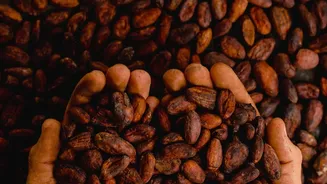
the narrative. These chocolatiers control the entire process, from sourcing high-quality beans directly from farmers to roasting, grinding, and moulding the final bars. This hands-on approach allows them to highlight the unique, complex flavours of the cocoa itself, a concept that was previously reserved for products like coffee or wine. This shift is part of a larger trend in India's gourmet food market, which is seeing rapid growth as urban consumers seek out premium, authentic, and locally-sourced products.
The Terroir of South India
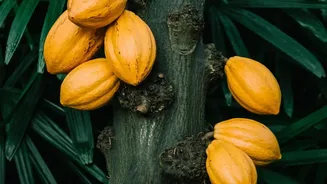
At the heart of this movement are the cocoa beans from South India, particularly from states like Kerala, Karnataka, Andhra Pradesh, and Tamil Nadu. The Idukki district in Kerala, nestled in the Western Ghats, has become especially renowned for its fine-flavour cocoa. The region's unique climate, fertile soil, and the practice of intercropping cocoa with spices like cardamom, pepper, and nutmeg create a unique 'terroir'. This environment imparts distinctive tasting notes to the beans, which can range from fruity and citrusy to spicy and nutty. The beans often have a naturally high cocoa butter content, resulting in a smoother, creamier texture that is highly sought after by artisanal chocolate makers.
The Rise of the Artisan Maker
This availability of high-quality Indian cocoa has empowered a new generation of chocolatiers. Brands like Manam, Paul & Mike, Mason & Co, and Soklet have become pioneers, creating single-origin bars that showcase the specific characteristics of the beans from a particular region or even a single farm. These makers work directly with farmers, often paying premium prices for quality produce and helping improve cultivation and post-harvest processes like fermentation and drying. This ethical sourcing and emphasis on traceability resonates deeply with a growing segment of consumers. The result is a diverse offering of chocolates that tell a story of their origin, from the soil to the final bar.
A Discerning Urban Palate
So why are urban Indian consumers embracing these premium, and often more expensive, chocolate bars? The reasons are multifaceted. There is a rising 'support local' sentiment and a greater appreciation for products with a clear provenance. As palates become more sophisticated, consumers are moving beyond simple sweetness and seeking complex flavour profiles, much like the evolution seen in specialty coffee and craft beer. Health consciousness also plays a role; bean-to-bar chocolates typically have shorter, cleaner ingredient lists, often just cacao, cocoa butter, and unrefined sugar, appealing to those wary of additives and emulsifiers. This trend reflects a broader shift in urban India toward mindful consumption, where quality, authenticity, and experience are valued over mass-market uniformity.