



A Quest for Healthier Indulgence
The movement away from refined flour is driven by a desire for more nutritious food choices. Maida, while providing a light texture to baked goods, is heavily processed, stripping it of much of its natural fibre and nutrients. In contrast, finger millet,
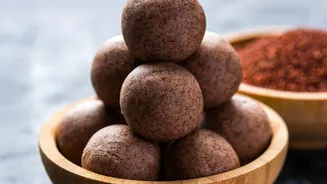
or ragi, is a nutritional powerhouse. This ancient grain, a staple in Indian households for centuries, is naturally gluten-free and packed with calcium, iron, and dietary fibre. The high fibre content helps you feel full longer and supports better digestion. For those managing their health, ragi is a smart choice because it has a lower glycemic index, which can help in stabilising blood sugar levels compared to refined grains. This shift represents a return to traditional ingredients, now reimagined for the modern palate.
The Baker's Challenge: Taste and Texture
Replacing maida with ragi isn’t a simple one-to-one substitution. Finger millet flour has a unique personality in the kitchen. It has an earthy, slightly nutty flavour and is denser than refined wheat flour. Because it is gluten-free, it doesn't create the same elastic structure that wheat does, which can result in a different texture. The key to a great ragi brownie lies in understanding how to work with these characteristics. Many bakers find that the distinct taste of ragi pairs beautifully with dark chocolate, with each complementing the other's deep flavours. Some recipes call for roasting the ragi flour lightly to enhance its nutty aroma before mixing it into the batter. Others combine it with a small amount of wheat flour or another gluten-free flour to achieve a slightly lighter, yet still fudgy, result.
Mastering the Art of the Millet Brownie
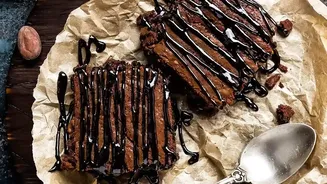
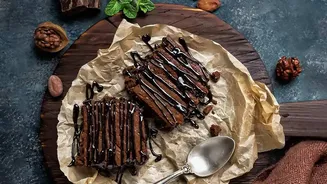
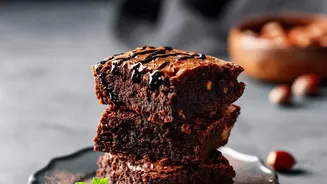
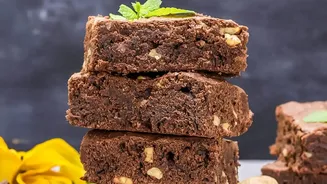
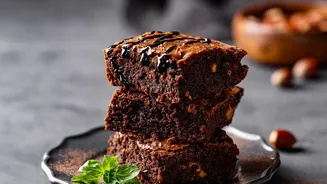
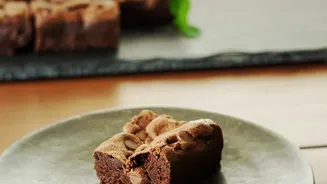
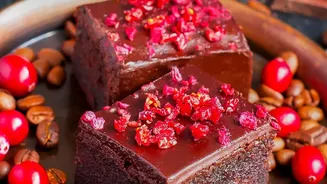
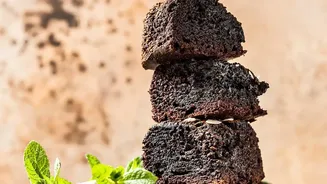
Creating the perfect ragi brownie requires a few adjustments to traditional recipes. Ragi flour tends to be quite absorbent, so bakers often need to increase the amount of liquid—like milk, oil, or melted butter—to ensure the final product is moist and not dry. Using natural sweeteners like jaggery powder instead of refined sugar is another popular and healthy modification that complements ragi's earthy notes. The end result is typically a brownie that is denser and fudgier than its maida-based counterpart. Many who have tried them describe ragi brownies as having a richer, more complex flavour that is deeply satisfying. The texture is less cakey and more melt-in-your-mouth, offering a decadent experience that also feels wholesome.
A Trend That's Bigger Than Brownies
The embrace of ragi in brownies is part of a much larger culinary trend in India and beyond. Chefs and home cooks are increasingly experimenting with a variety of millets—like jowar (sorghum), bajra (pearl millet), and foxtail millet—in everything from cakes and cookies to breads and traditional sweets like kheer and halwa. This revival is celebrated for bringing back sustainable, climate-resilient ancient grains that have been part of India's agricultural heritage for thousands of years. This movement not only diversifies our diets but also supports agricultural biodiversity. As bakers and chefs continue to innovate, we are seeing the creation of a new category of desserts that are both indulgent and intrinsically Indian.