






The First and Fastest Impact
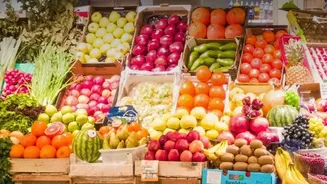
The most immediate effect of the monsoon is seen on perishable goods like vegetables. Their prices are highly sensitive to rainfall fluctuations. Excessive rain can flood fields, damage standing crops, and disrupt transportation from farms to mandis,
creating instant shortages. A lack of rain, on the other hand, reduces harvests. Items like tomatoes, onions, and leafy greens are the first to reflect these shocks, with prices changing within days or weeks because they have a short shelf life and cannot be stored for long. Reports from August 2026 show that while a July revival in rains offered some relief, prices for key items like onions, ginger, and garlic have seen sharp year-on-year increases, keeping food inflation a concern.
The Kharif Crop Connection
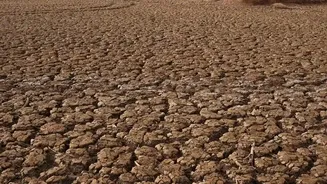
Beyond the daily vegetable basket, the monsoon is the lifeblood for India's Kharif (summer) crops, which include staples like rice, pulses (dal), oilseeds, and maize. These crops are sown during the monsoon months, and nearly half of India's farmland is rain-fed, making adequate rainfall critical for a good harvest. Forecasts for the 2026 monsoon pointed towards below-average rainfall, raising concerns early in the season about agricultural output. As of mid-August 2026, despite some recovery in rains, a significant portion of agricultural land was reportedly under drought stress, with the sown area for crops like rice and ragi declining. A poor Kharif harvest can lead to tighter supplies and higher prices for essential grains and pulses months down the line.
Ripple Effects Beyond the Farm
A good monsoon's impact extends far beyond crops. Ample rain means sufficient fodder for livestock, which helps keep milk production stable and prices in check. Conversely, a deficit can raise feed costs for both dairy and poultry, eventually leading to higher prices for milk, eggs, and chicken. The monsoon also replenishes reservoirs, which are vital for generating hydroelectric power and providing water for the subsequent Rabi (winter) crop season. A weak monsoon not only threatens summer crops but also jeopardises winter planting, creating a year-long cycle of agricultural stress.
Fueling the Rural Economy
With nearly 40% of India's workforce in agriculture and a majority of the population in rural areas, the monsoon is the primary driver of the rural economy. A strong monsoon boosts farm incomes, which in turn fuels demand for everything from tractors and consumer goods to gold. When farmers have money, they spend it, creating a positive ripple effect across the entire economy. A weak monsoon has the opposite effect, suppressing rural demand and slowing down overall economic growth. This connection is so strong that companies in sectors like fast-moving consumer goods (FMCG) and automobiles closely monitor rainfall patterns as an indicator of future sales.
The Government's Inflation Battle
Given the high stakes, the government and the Reserve Bank of India (RBI) watch the monsoon's performance with hawk-like intensity. Food items make up a large portion of the Consumer Price Index (CPI), the key measure of retail inflation. A weak monsoon that pushes food prices up can force the RBI to take measures, such as raising interest rates, to control inflation, which can affect everything from home loans to business investments. The government may also have to step in by releasing food grains from its buffer stocks or adjusting import duties to stabilise prices, measures that have significant fiscal implications.