



Mastering the Prep
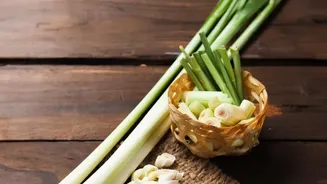
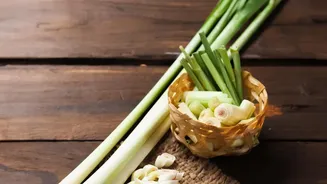
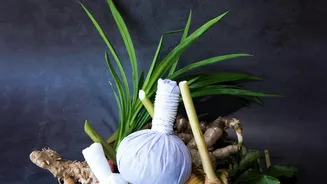
Before you start cooking, it's important to know how to handle a lemongrass stalk. The flavour is concentrated in the lower, thicker part of the stalk. Start by trimming off the very bottom root end and the tough, woody green tops. Peel away the dry outer
layers until you reach the paler, more tender core. From here, you have a few options depending on your recipe. For soups and teas where you'll remove it before serving, you can simply bruise the stalk by bashing it with the back of a knife or a rolling pin to release its aromatic oils. For marinades, pastes, and stir-fries where it will be consumed, you'll need to mince it finely. Slice the tender stalk into thin coins, then chop repeatedly until you have very small pieces. A food processor can also make quick work of this task.
Fragrant Lemongrass Rice
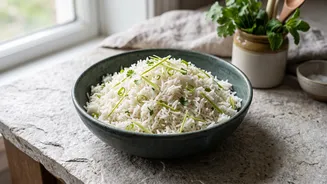
One of the simplest ways to enjoy the flavour of lemongrass is by infusing it into rice. It transforms a basic side dish into something special with minimal effort. To make it, simply add a few bruised lemongrass stalks to the pot with your rice and water before cooking. As the rice steams, it will absorb the subtle, citrusy perfume. For a fried rice variation, heat oil in a pan and sauté finely minced lemongrass with garlic and shallots before adding cooked rice, soy sauce, and fish sauce. Toss everything together until the rice is heated through and well-coated, then finish with fresh herbs like cilantro or green onions.
The Ultimate Lemongrass Stir-Fry
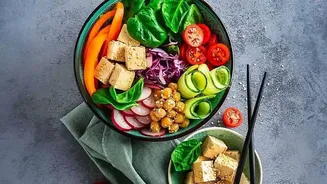
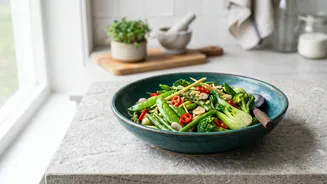
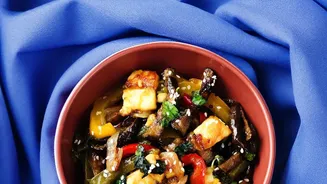
Lemongrass is a natural partner for a quick and flavourful stir-fry. It pairs beautifully with chicken, pork, beef, or tofu. The key is to build a flavourful base. Start by creating a marinade for your protein, often combining finely minced lemongrass with garlic, fish sauce, soy sauce, and a touch of sugar. Let the protein marinate for at least an hour to absorb the flavours. When you're ready to cook, heat a wok or large skillet over high heat, then stir-fry the protein until browned. You can add vegetables like bell peppers, onions, or sugar snap peas. Some recipes call for making a paste of lemongrass, shallots, garlic, and ginger to form the aromatic foundation of the stir-fry.
A Zesty Chicken Marinade
Beyond stir-fries, a lemongrass marinade is a fantastic way to tenderise and flavour chicken for grilling, baking, or pan-frying. A typical marinade might include minced lemongrass, garlic, shallots, fish sauce, lime juice, and brown sugar. The combination of sweet, sour, and savoury notes creates a deeply flavourful crust when cooked. For best results, allow the chicken thighs or breasts to sit in the marinade for at least a few hours, or even overnight in the refrigerator. This gives the acidic and aromatic elements time to work their magic, resulting in juicy, fragrant chicken.
The Soul of Thai Soups
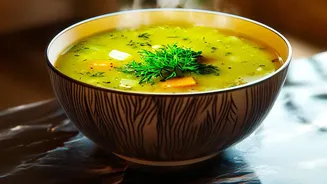
It's impossible to talk about lemongrass without mentioning its essential role in iconic Thai soups like Tom Yum and Tom Kha. In these dishes, lemongrass provides the signature citrusy, floral backbone of the broth. To make a classic Tom Yum, bruised lemongrass stalks are simmered in chicken or vegetable broth along with galangal and makrut lime leaves. This aromatic infusion creates a complex base before other ingredients like mushrooms, chicken or shrimp, chili paste, fish sauce, and lime juice are added. The lemongrass stalks are typically left whole or in large pieces so they can be easily removed before serving.
A Soothing Lemongrass Brew
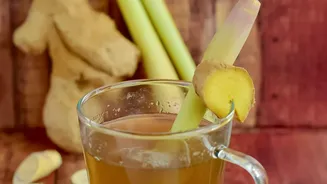
Lemongrass isn't just for savoury dishes; it also makes a wonderfully refreshing and soothing tea. This is perhaps the easiest recipe of all. Simply bring water to a boil, add a few bruised and chopped lemongrass stalks, and let it simmer for about 10–15 minutes. You can also add a few thin slices of ginger for extra warmth. Strain the liquid into a mug and enjoy it hot. It can be sweetened with a little honey to taste. You can also chill the tea and serve it over ice for a cool, refreshing drink on a warm day.