








Bisbee, Arizona
Forget Phoenix. Tucked into the Mule Mountains of southeastern Arizona, the historic mining town of Bisbee offers a front-row seat to one of the most spectacular monsoon shows in the country. Here, the storms aren't just background noise; they're a daily
performance. By mid-afternoon, colossal thunderheads build over the mountains, the sky turns a deep, bruised purple, and the air crackles with anticipation. When the rain finally breaks, it’s a deluge. Water cascades down the town’s impossibly steep staircases and narrow streets, turning the old copper town into a temporary mountain Venice. The reward comes after: the temperature drops 20 degrees, the sun reappears to cast a golden light on the slick, colorful buildings, and the air fills with the intoxicating scent of rain-soaked creosote and desert dust. It's a sensory overload in the best possible way.
The San Juan Mountains, Colorado
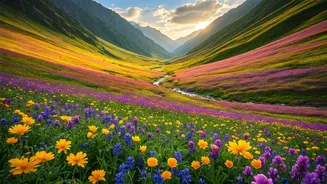
While most visitors flock to Colorado’s high country for winter snow or autumn gold, they’re missing the state’s most dramatic and dynamic season: summer monsoon. In the rugged San Juan Mountains, around towns like Ouray and Silverton, July and August bring a predictable and powerful cycle. Mornings are typically crystal clear, perfect for hiking through meadows bursting with wildflowers. But come afternoon, the mood shifts. Dark clouds boil up over the 14,000-foot peaks, lightning spiders across the sky, and thunder echoes through the canyons like cannon fire. These aren't gentle showers; they are intense, earth-shaking downpours that recharge the waterfalls and turn the alpine tundra an almost fluorescent shade of green. For travelers, it's a perfect excuse to retreat to a cozy brewery in town and watch the storm rage, knowing a cool, clean, and vibrant world awaits just outside.
Jemez Springs, New Mexico
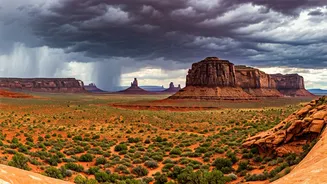
Santa Fe and Taos get the summer headlines, but for a more intimate monsoon experience, head an hour west to the village of Jemez Springs. Nestled in a stunning red-rock canyon, this area feels like a secret garden during the rainy season. The Jemez River, a placid stream for much of the year, swells with the daily rains, and the cottonwood trees lining its banks become impossibly lush. The storms here roll in over the mesas, providing a spectacular light show against the crimson cliffs. The magic is in the contrast: the fiery red rock, the moody gray sky, and the vibrant green of the newly watered foliage. After a storm passes, the air is clean and the earthy smell of wet sage and piñon pine is everywhere. It’s the perfect time to soak in one of the area’s natural hot springs, feeling the lingering warmth of the earth while the cool, rain-washed air swirls around you.
The Davis Mountains, Texas
When you think of West Texas, you probably picture a vast, arid desert. And you’re mostly right—except for the Davis Mountains. This isolated mountain range, a “sky island” rising from the Chihuahuan Desert floor, is high enough to catch moisture from the Gulf of Mexico, creating its own unique monsoon season. From July through September, the afternoons in places like Fort Davis are punctuated by powerful thunderstorms that can seem to appear out of nowhere. These storms are a lifeline, transforming the landscape in a matter of weeks. Dry, golden grasslands turn a rich, verdant green, and the air, usually hot and dry, becomes surprisingly humid and cool. It’s a surreal experience to drive the scenic loop, watching storms build over the volcanic peaks and then seeing the desert landscape spring to life before your eyes. It’s Texas, but not as you know it.