




More Than Just a Market
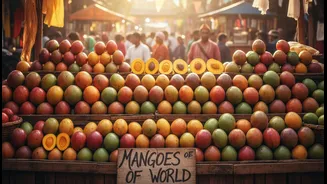
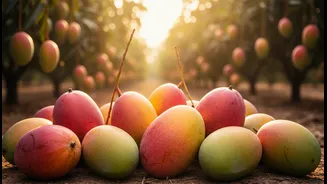
Step into any mango festival, like the famous International Mango Festival held in Delhi, and you are immediately immersed in a world dedicated to a single fruit. Far from a quiet farmers' market, these events are bustling hubs of activity and colour.
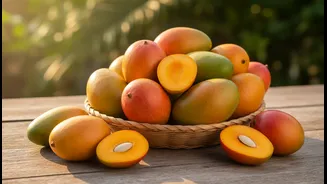
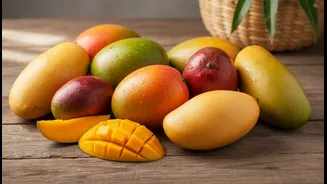
Stalls are piled high with hundreds of varieties, ranging from deep greens to vibrant yellows, oranges, and reds. The energy is infectious as families, foodies, and farmers mingle, united by their love for the 'king of fruits'. There are mango eating competitions, slogan writing contests, and cultural performances that transform the space into a full-fledged fair. But beneath the joyful chaos lies a deeper purpose: to provide a platform for growers and to educate the public about the incredible diversity of the mango.
The Curriculum of a King
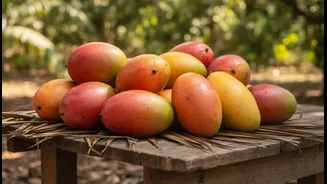
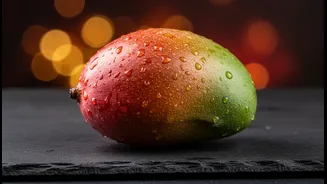
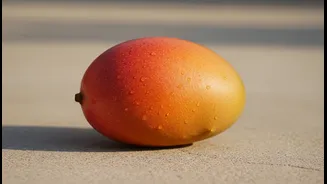
For many, the word 'mango' might bring to mind just a handful of famous names like Alphonso or Kesar. A festival, however, shatters that limited view. Organisers often showcase over 500 varieties, introducing visitors to a dazzling spectrum of tastes and names. You’ll find the regal Dasheri from Uttar Pradesh, known for its fibreless, juicy sweetness, and the Banganapalli from Andhra Pradesh, a larger, golden-yellow fruit with a delightful aroma. Then there is the Langra, which stays greenish even when ripe and offers a unique sweet-sour profile, and the Himsagar from Eastern India, prized for its intense sweetness and smooth texture. Each variety tells a story of its origin, a testament to the country's rich horticultural heritage.
A Lesson in Sensory Analysis
The true education at a mango festival begins when you learn how to properly taste the fruit. It's a process that engages all the senses, much like tasting fine wine. Experts and farmers guide visitors to look beyond just sweetness. The first step is the aroma; a ripe mango often has a fragrant, fruity smell at its stem. Colour, while beautiful, isn't always the best indicator of ripeness, as some varieties stay green. The next test is touch. A ripe mango should yield slightly to gentle pressure, like a ripe avocado, but shouldn't be mushy. Finally, the taste itself reveals a complex profile. Is it purely sweet, or does it have citrusy, floral, or even spicy notes? This guided tasting turns eating a mango from a simple pleasure into an act of appreciation.
Understanding Texture and Form
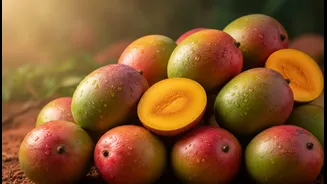
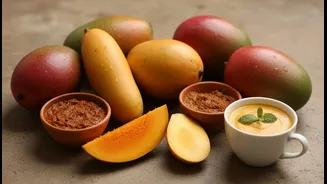
Taste is only half the story. A mango's texture, or mouthfeel, is just as crucial to its identity. The curriculum continues as you learn to differentiate between the buttery, melt-in-your-mouth flesh of a premium Alphonso and the more fibrous consistency of other varieties. Some mangoes are incredibly juicy, perfect for shakes and lassis, while others have a firmer pulp ideal for slicing into salads or making pickles. Festivals showcase this diversity, with chefs often holding demonstrations to show how different textures lend themselves to different culinary uses. You might learn that the tangy, firm flesh of a Totapuri is perfect for chutneys, while the sweet, fibreless pulp of a Dasheri is best enjoyed on its own.
Meet the Masters: The Farmers
The most valuable resource in this open-air classroom is the people behind the produce. Mango festivals bring growers from across the country, giving them a platform to interact directly with consumers. These farmers are the real professors, holding generations of knowledge. They can tell you the story behind a rare local varietal, explain the subtle signs of a perfectly ripe fruit, and share tips on how to care for a sapling. This connection fosters a deeper appreciation for the labour and expertise that go into cultivating this beloved fruit. It bridges the gap between the farm and the table, making each bite more meaningful.