




The Anatomy of a Perfect Craving
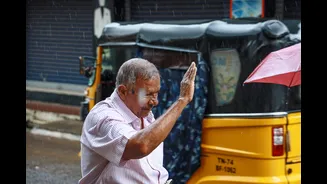
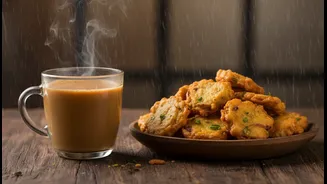
The combination of steaming masala chai and deep-fried, spiced fritters is more than just a snack; it's a sensory experience deeply woven into the fabric of the Indian monsoon. As temperatures drop and the air becomes damp, the body naturally craves warmth
and comfort. Hot, crispy, and savory pakoras provide an instant feeling of indulgence, while the warm, spiced chai offers a soothing counterpoint that cuts through the richness of the fried food. This pairing became a cultural phenomenon in the 20th century, romanticized in homes and media alike. The ritual itself—gathering with family and friends as the rain falls—is as much a part of the appeal as the food, creating a powerful sense of nostalgia and shared tradition.
Beyond the Delicious Cliché
While undeniably delicious, the chai-pakora combination can sometimes overshadow the staggering diversity of India's culinary landscape. To equate Indian food with a few popular dishes is to miss the point of a cuisine defined by its regionality. With over 30 distinct regional cuisines, what's considered a monsoon essential in one state might be completely unknown in another. This focus on a handful of dishes often happens when cuisines travel globally, with easily reproducible and highly palatable items becoming ambassadors for an entire nation's food culture. The chai-pakora fantasy is a wonderful entry point, but true appreciation lies in looking past it.
A Monsoon Tour of India's Kitchens
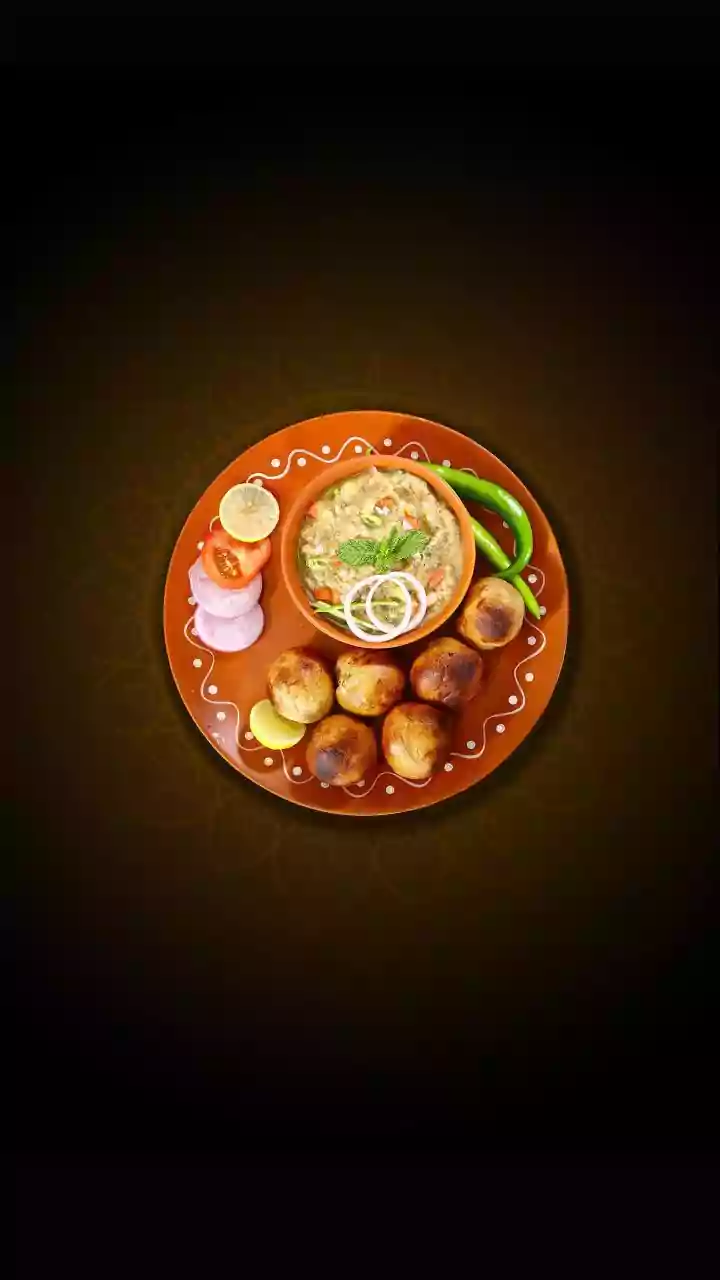
If you travel across India during the rains, you'll find a different delicacy on every corner. In Maharashtra, the monsoon is incomplete without Kanda Bhaji (onion fritters) and the iconic Vada Pav. Head east to West Bengal, and you'll find the season is celebrated with Ilish Maach, a prized hilsa fish curry. In the South, Kerala revels in fresh seafood curries, while Karnataka enjoys crispy Maddur Vadas. Rajasthan, despite its drier climate, has its own hearty monsoon favourites like Dal Baati Churma. North India offers everything from Delhi's Aloo Tikki to the sweet Malpuas of Uttar Pradesh. And no monsoon street-side experience is complete without Bhutta, or roasted corn on the cob, seasoned with lemon and chilli. Each dish reflects local produce and culinary wisdom.
Why Some Dishes Go Global
The global popularity of certain Indian dishes like butter chicken or pakoras is no accident. It's often driven by the diaspora, who bring their home cuisine to new places, and the restaurant industry, which tends to favour dishes that are crowd-pleasing and relatively easy to standardize. North Indian cuisine, with its rich, creamy curries and tandoor-based breads, has historically dominated the perception of Indian food abroad. Dishes that are vegetarian-friendly or easily adapted, like many fritters and lentil-based recipes, also find a wider audience. This creates a feedback loop where popular dishes become more visible, reinforcing a simplified but accessible version of Indian food.
How to Be a Curious Food Lover
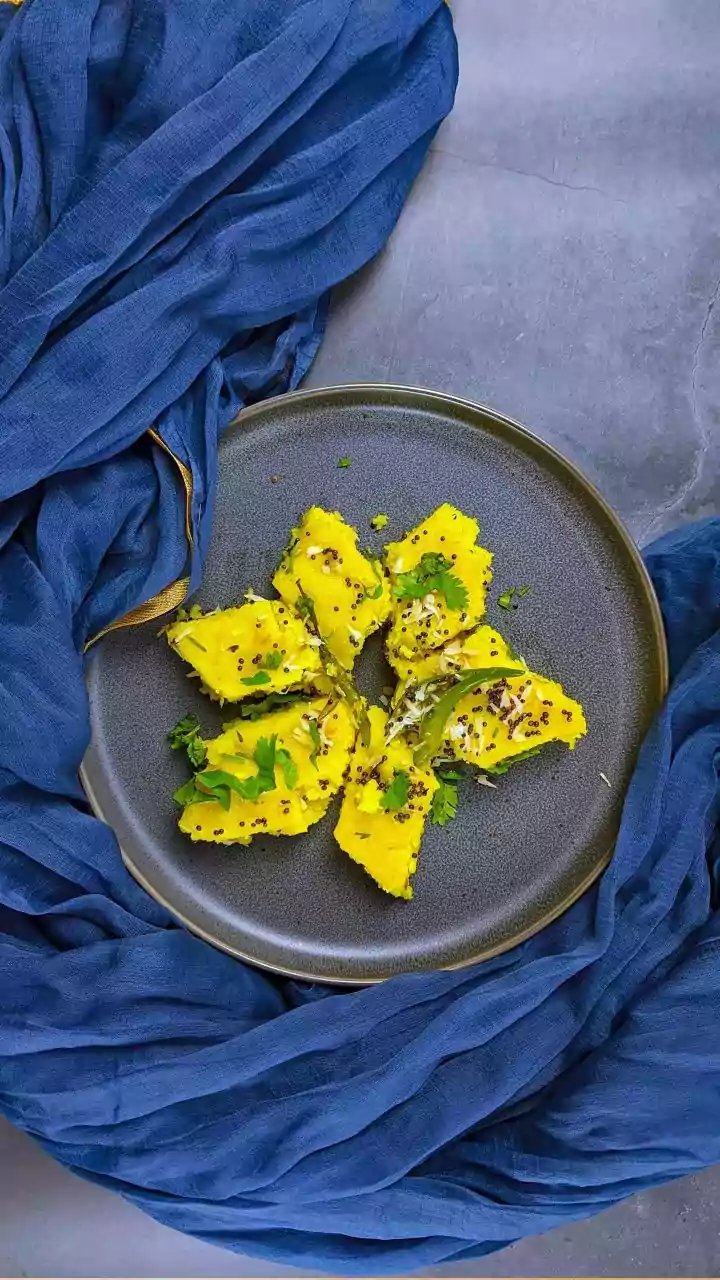
Moving beyond the stereotypes is easier than you think. The next time you visit an Indian restaurant, look for the 'Regional Specialties' or 'Chef's Specials' section of the menu. Don't be afraid to ask questions. Inquire about what's seasonal or what the chef is most proud of. Explore restaurants that specialize in a specific regional cuisine, whether it's South Indian dosas, Gujarati thalis, or Bengali fish curries. Look for dishes you don't recognize and give them a try. The goal isn't to stop loving the classics, but to broaden your understanding and appreciation for the incredible depth and variety that Indian cooking has to offer.