


The Crystal Canvas at Risk
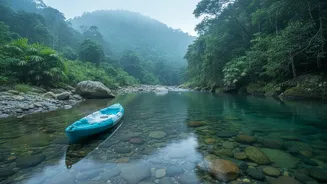
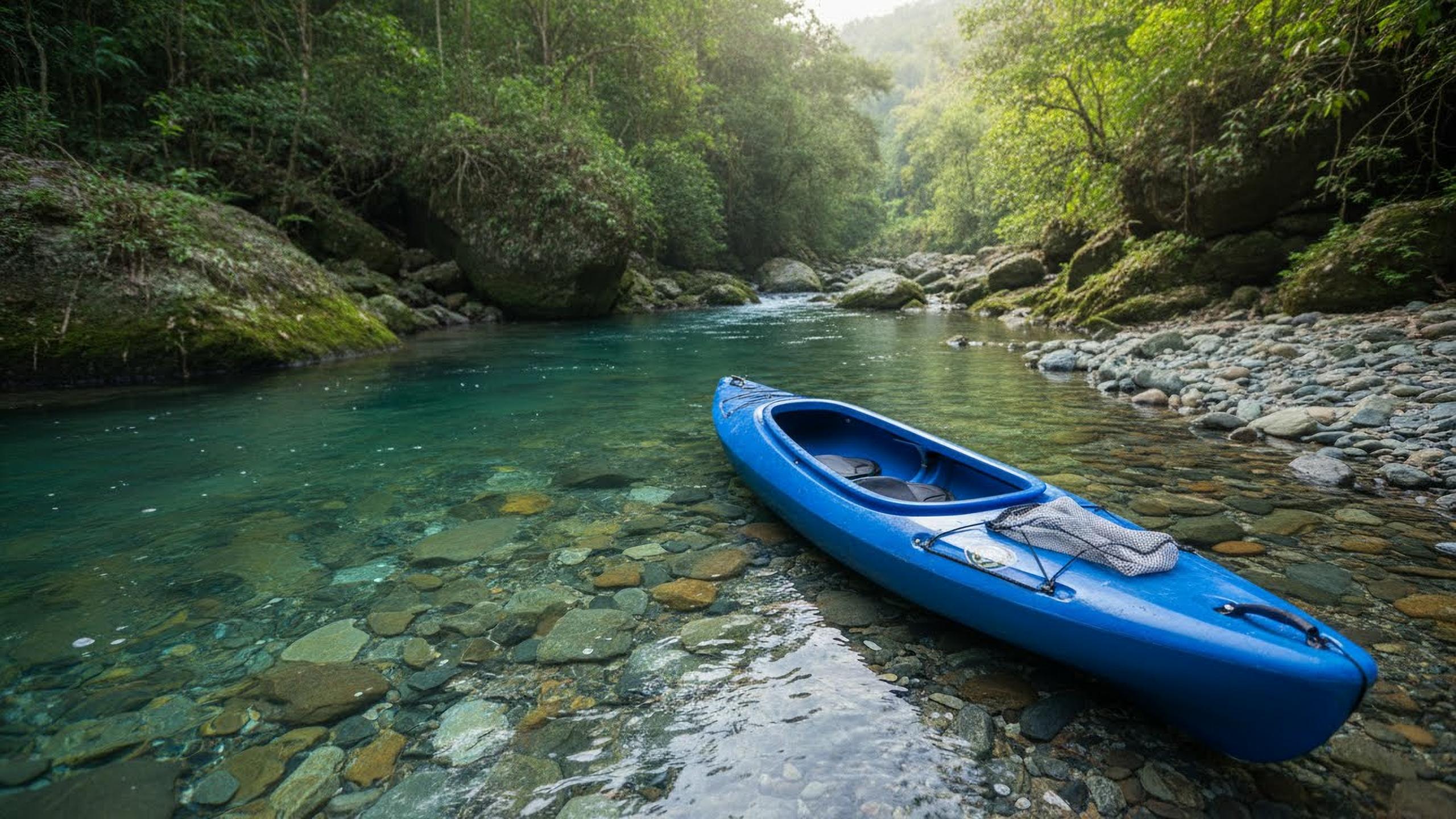
Meghalaya, the 'Abode of Clouds', is home to some of India's most breathtaking natural wonders, none more famous than its crystalline rivers. The Umngot River in Dawki, in particular, has become a global icon for its astonishing transparency. For years,
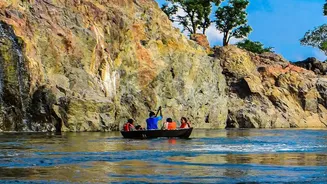
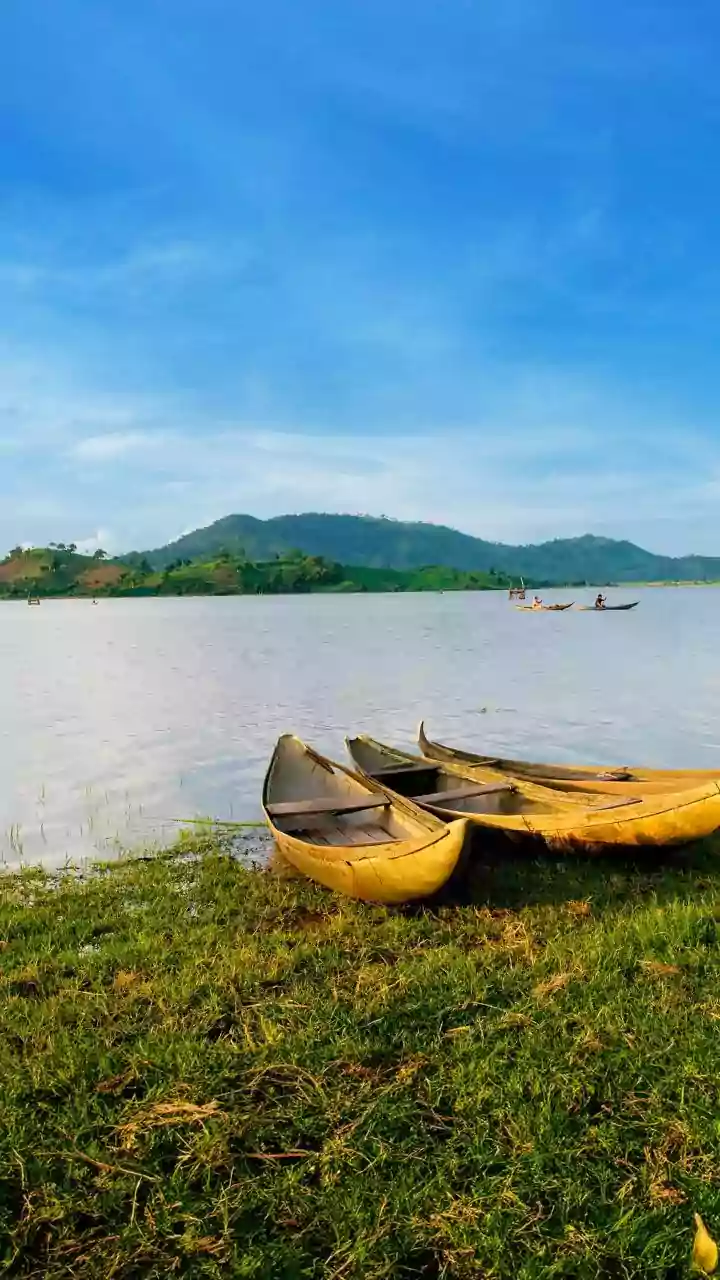
images of traditional wooden boats seemingly suspended in mid-air over a visible riverbed have drawn tourists from across the world. This natural marvel is not just a tourist attraction; it is the lifeline for local Khasi and Jaintia communities, a source of water, fish, and cultural identity. However, this pristine beauty is under increasing threat. The very tourism that celebrates the river also contributes to its potential decline through plastic waste, while construction and development in the region add another layer of environmental pressure.
A Gathering Threat
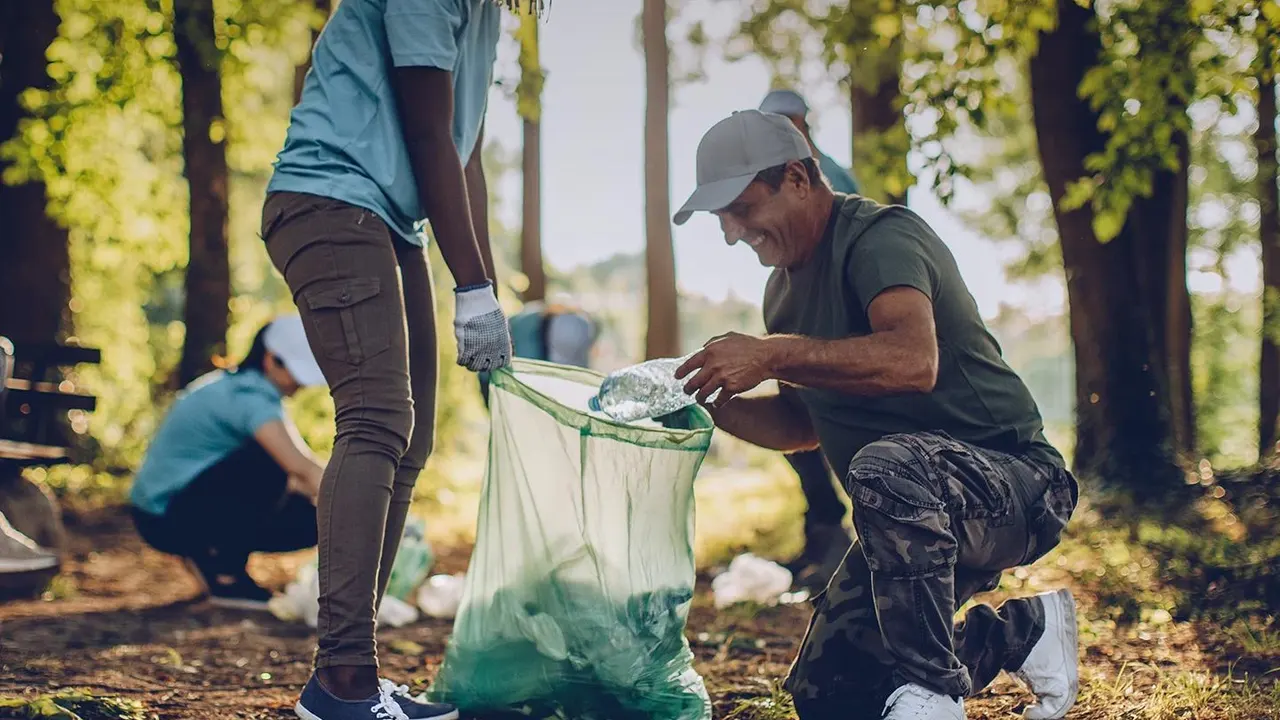
The problem is a familiar one in fragile ecosystems: a rise in popularity leads to a rise in pollution. Increased footfalls in picturesque spots like Dawki and Shnongpdeng have led to an accumulation of plastic bottles, food wrappers, and other single-use items that mar the landscape and choke the waterways. Beyond tourist litter, larger issues loom. In late 2025, locals and environmental bodies raised alarms when construction debris from a major road project turned the famously clear waters of the Umngot murky, highlighting the river's vulnerability. The challenge is twofold: managing the waste generated by visitors and mitigating the environmental impact of regional development.
Paddles with a Purpose
In response to this growing concern, a grassroots movement of stewardship has taken root among those who know the rivers best: the local boatmen and kayaking guides. While government-led initiatives like the 'Green Deposit Scheme'—which requires tourists to pay a refundable deposit on plastic items—are being implemented, it is the daily, informal actions of these watermen that represent the frontline of defence. For them, the river is their office, their backyard, and their heritage. They have a vested interest in keeping it clean, not just for the next tourist photo, but for the next generation. These are not necessarily organised activists, but rather practical conservationists whose livelihoods are intrinsically linked to the health of the ecosystem.
The Floating Harvest
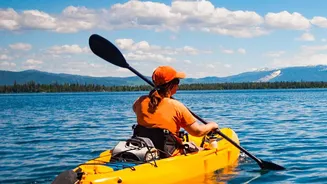
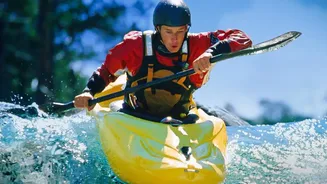
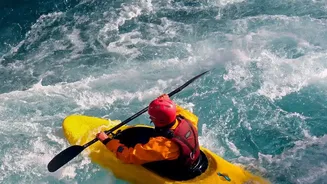
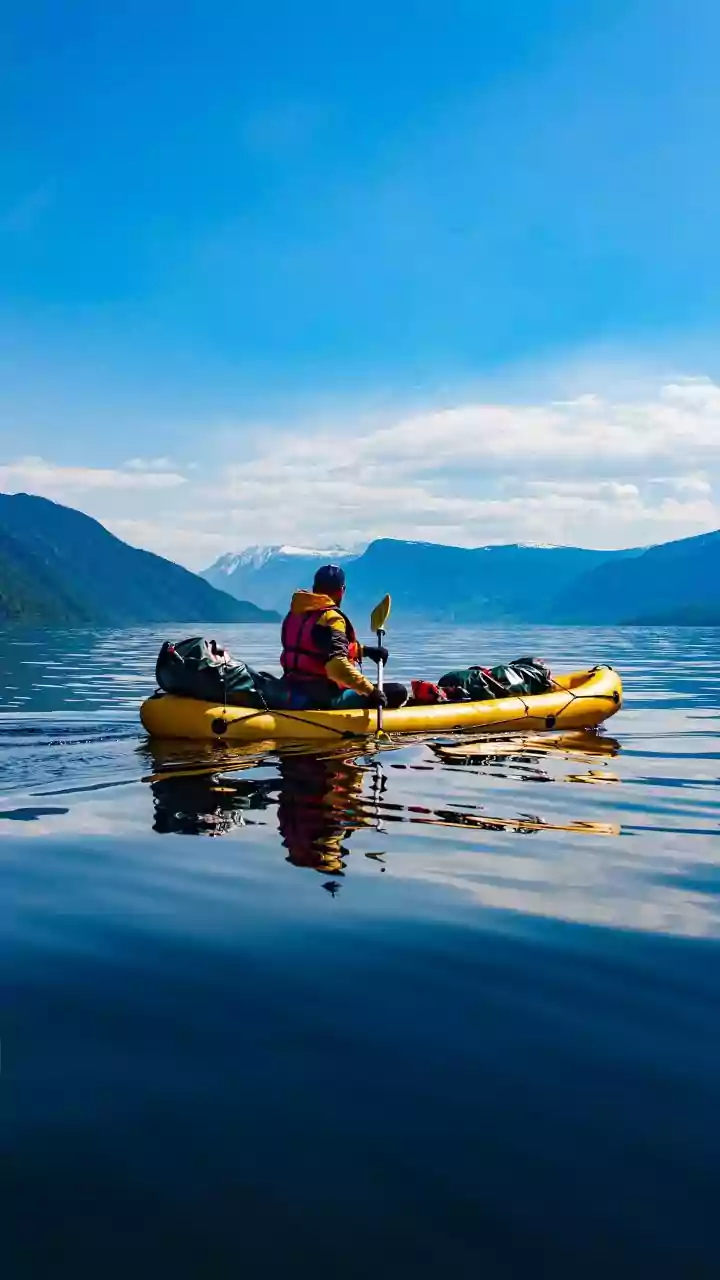
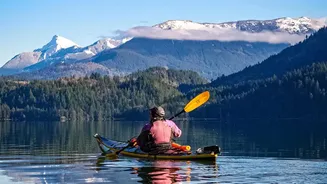
The method is simple yet effective. As they guide tourists on kayaking and boating excursions, these eco-conscious operators make it a point to retrieve any floating waste they encounter. Armed with nets, makeshift hooks, or simply their own hands, they paddle towards plastic bags and bottles, 'harvesting' the litter from the water's surface. A kayaking trip becomes a dual-purpose activity: part adventure, part clean-up drive. Some operators actively encourage their guests to participate, turning a moment of environmental action into a memorable part of the tourist experience. This hands-on approach does more than just clean the river; it serves as a powerful, silent lesson to visitors about the importance of leaving no trace.
An Inspiring Ripple Effect
The impact of these kayakers and boatmen extends far beyond the plastic they collect. Their actions reinforce a culture of respect for the environment that Meghalaya is actively trying to promote through its community-led tourism model. When visitors see their guide pausing a tour to pull a plastic bottle from the river, it sends a stronger message than any sign or poster could. It fosters a sense of shared responsibility. This model, where local communities are empowered as the primary guardians of their natural resources, is central to the state’s sustainable tourism strategy. The kayakers of the Umngot are proving that economic activity and environmental preservation can, and must, paddle in the same direction.