
What 'Honest Ingredients' Really Means
The shift towards honest ingredients, often called the 'clean label' movement, is about returning to basics. At its core, it's a commitment to food that is minimally processed and easy to understand. A key rule of thumb has emerged: if you can't pronounce
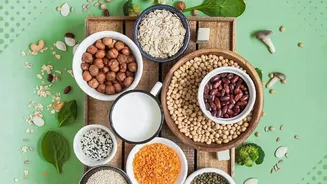
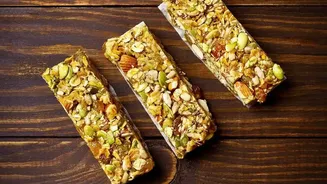
an ingredient or wouldn't find it in a typical kitchen cupboard, it probably isn't 'clean'. This means shorter ingredient lists are becoming a powerful signal of quality. Consumers are increasingly wary of artificial colours, flavours, preservatives, and synthetic additives that serve industrial convenience rather than nutritional value. Instead, the focus is on whole food sources—ingredients that are as close to their natural state as possible, such as whole grains, nuts, and seeds. Ultimately, the clean label is not a regulated term but a consumer-driven demand for transparency and simplicity.
The Empowered Consumer Driving the Change
This movement isn't happening in a vacuum; it's being driven by a new generation of health-conscious and informed consumers. With unprecedented access to information, shoppers are scrutinising labels more than ever. A recent report highlighted that for a majority of Indian consumers, ingredient transparency is now the single biggest factor influencing their trust in a snack brand—ranking higher than celebrity endorsements. This reflects a broader lifestyle shift towards wellness and preventive healthcare. People want to feel in control of what they put into their bodies and are rejecting products with questionable chemical compounds in favour of foods that are easier for the body to recognise and absorb. As a result, brands that embrace authenticity and transparency are earning significant customer loyalty.
From 'Low-Fat' to 'No Weird Stuff'
For decades, 'healthy' was a label defined by what was removed: low-fat, low-sugar, low-carb. However, these products were often highly processed and filled with artificial substitutes to compensate for taste and texture. The clean label trend is a direct reaction against this, moving the focus from what's taken out to the quality of what's left in. Today's savvy consumer understands that a 'low-fat' claim might hide a list of starches and gums. The new gold standard is not about dieting but about eating 'real' food. It's a shift from complex industrial formulations to wholesome, nourishing snacks that don't require a chemistry degree to understand.
The Indian Snack Market Embraces Simplicity
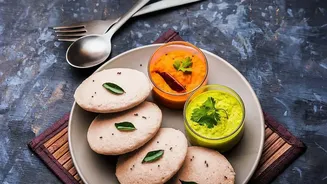
India's massive snacking industry is undergoing its own transformation. While traditional snacks have always been a staple, a new wave of homegrown brands is 'unjunking' nostalgic favourites and creating new options with clean labels. This includes everything from baked, not fried, bhujia made with chickpea flour to multigrain chips featuring ragi and oats. The demand for cleaner ingredients is clear, with one study showing that 61% of Indian consumers prefer snacks naturally sweetened with dates or jaggery over refined sugar. Even traditional staples like roasted makhana (fox nuts) are finding a new audience, celebrated for their simple, single-ingredient profile. Brands like Eat Better Co., The Whole Truth, and Healthy Master are building their businesses around this principle of transparency, offering products like millet-based snacks and date-sweetened laddoos that cater to this growing market.
How to Read a Label Like a Pro
Navigating the snack aisle can still be tricky, but a few simple habits can help you make better choices. First, ignore the claims on the front of the package and flip straight to the ingredient list. A shorter list is generally a good sign. Be wary of ingredients with numbers, complex chemical names, or anything listed as an 'artificial flavour' or 'preservative'. Another red flag is the presence of multiple types of hidden sugars, such as dextrose, maltose, or liquid glucose. Look for snacks where the primary ingredients are whole foods you recognise. Choosing roasted over fried snacks, and those made with better oils, is also a key part of the clean-eating philosophy. The goal isn't to be perfect, but to be aware and intentional about your choices.