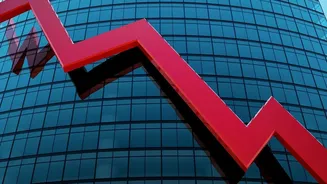







The artificial intelligence stock boom, which has powered markets for months, has hit a sudden and sharp reversal. A sell-off has wiped trillions from global markets, with the essential chipmakers and data centre firms at the heart of the storm.
A Sea of Red
The past
week has seen a dramatic downturn for technology stocks, interrupting a year-long rally built on the promise of artificial intelligence. The tech-heavy Nasdaq Composite fell into correction territory, defined as a drop of 10% or more from a recent peak, with one day seeing its worst performance in 19 months. The sell-off was global, with markets in Asia and Europe also falling sharply. The pain was particularly acute for companies that form the physical foundation of the AI revolution. The Philadelphia Semiconductor Index, a key benchmark for chip stocks, experienced its worst day since March 2020. Marquee names like Nvidia and AMD saw significant drops, with Nvidia's stock at one point wiping out all its gains for 2026. Other major chip and storage companies like Qualcomm, Micron, Western Digital, and SanDisk also saw double-digit percentage drops.
Politics and Valuations Collide
The immediate trigger for the widespread sell-off has been attributed to the results of the US midterm elections. Democratic victories in both chambers of Congress, as well as in key state-level races, have sparked investor fears of tighter regulation on the AI industry and, crucially, on the construction of new data centres. These vast, power-hungry facilities are essential for training and running AI models. Concerns are growing around their environmental impact, electricity consumption, and water usage, leading to local opposition. In Texas, which accounts for over a quarter of planned US data centre capacity, the new governor has pledged a moratorium on new construction. Analysts estimate that states likely to impose new restrictions account for roughly 45% of planned US capacity, threatening to slow the pace of the AI build-out.
The Data Centre Downturn
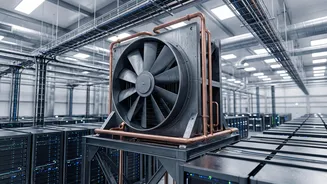
The companies directly involved in building, equipping, and powering these data centres felt the immediate impact. Shares of data centre operators and their suppliers, including builders, power equipment firms, and cooling system makers, fell sharply. Companies like Applied Digital, Core Scientific, GE Vernova, and Caterpillar saw significant declines as investors processed the risk of project delays and cancellations. A slowdown in data centre construction has a direct ripple effect across the supply chain. For chipmakers like Nvidia and AMD, it means potentially lower demand for their high-powered processors. For equipment rental companies like United Rentals and Herc Rentals, it means less business from the 'mega projects' that have boosted their revenues. This has created a clear divergence in the market: while slower spending might ease capital expenditure pressures on tech giants like Microsoft and Amazon, it directly threatens the growth of the firms whose business is building the infrastructure.
Is This a Bubble Bursting?
The sell-off has investors asking the big question: is the AI bubble bursting, or is this a healthy correction? For months, analysts have raised concerns about sky-high valuations in the tech sector, with some stock prices appearing disconnected from underlying profits. The recent events have introduced a dose of reality into the market's AI euphoria. Some strategists believe the downturn reflects a combination of factors beyond just politics, including profit-taking after a massive runup and growing investor desire to see tangible returns on huge AI investments. The situation was made more severe by investors who had used borrowed money to bet on the AI boom, forcing them to sell assets to cover losses and amplifying the downturn. While some analysts see the drop as a buying opportunity, others warn of further volatility, suggesting the market is reevaluating the real costs and timelines of the AI revolution. The path forward will likely be guided by upcoming earnings reports and clearer signs of regulatory direction.