






The Comfort of Kitchen Remedies
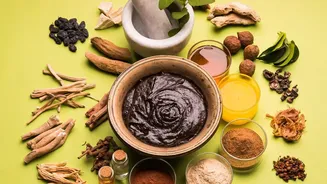
In many Indian households, the spice box is the first port of call for minor ailments. A pinch of turmeric for a sore throat, ajwain for an upset stomach—these practices are woven into our cultural fabric, passed down through generations. Spices are celebrated
in traditional systems like Ayurveda for their properties. This deep-rooted trust in natural ingredients makes it easy to believe claims about their potent healing powers. However, there is a significant difference between using a spice for flavour and general wellness versus consuming it in large quantities as a 'treatment' based on viral social media trends or misinformation.
Nutmeg: From Festive Spice to Viral 'Cure'
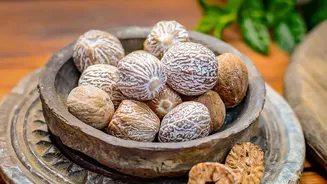
Nutmeg, or 'jaiphal', is a warm, aromatic spice beloved in everything from winter sweets to savoury dishes. Recently, however, it has gained notoriety online with claims that it can act as a powerful sedative, a detox agent, or even a psychoactive substance. These claims often encourage consuming amounts far greater than what is used in cooking. While some traditional medicine systems have used nutmeg for digestive and neurological issues, the dose is critical. Modern science confirms that while nutmeg contains beneficial compounds, these viral 'cures' ignore a crucial fact: the dose makes the poison.
The Science: What Is Myristicin?
The primary active compound in nutmeg responsible for its potent effects is myristicin. In the small amounts used for cooking, myristicin is harmless and contributes to the spice's unique aroma. However, when ingested in large quantities—typically more than two teaspoons—it acts as a toxin. Myristicin affects the central nervous system, and its breakdown in the body can produce a compound that enhances the neurotransmitter norepinephrine, leading to a range of unpredictable and unpleasant side effects. While some studies suggest it has anti-inflammatory and antibacterial properties, this does not make it a safe, high-dose treatment.
The Dangerous Reality of Nutmeg Poisoning
Consuming large amounts of nutmeg does not lead to a gentle, healing sleep but to a state of acute toxicity. Symptoms of nutmeg poisoning typically appear hours after ingestion and can last for days. These include intense nausea, dizziness, a racing heart, dry mouth, and confusion. In more severe cases, it can cause hallucinations, agitation, and a 'trance-like state'. There have been documented cases of nutmeg overdose leading to organ failure or even death, particularly when combined with other substances. Poison control centres have noted that while many cases are unintentional, there is a worrying trend of intentional misuse among young people seeking a 'high'.
Spices for Flavour, Doctors for Medicine
The story of nutmeg serves as a potent reminder that 'natural' does not automatically mean 'safe'. Many spices, including cinnamon, cloves, and black pepper, contain powerful compounds that can be harmful or interfere with medications when taken in concentrated or large doses. A sprinkle in your food is perfectly safe and can offer some health benefits. The problem arises when these spices are treated like unregulated medicines. The amounts required to achieve a therapeutic effect, if any, are often dangerously close to a toxic dose. Scientific research into these compounds is complex and ongoing, but the consensus is clear: spices belong in your kitchen, not as a replacement for your doctor's advice.