
The Soothing Promise of Steam
Anyone who has ever had a stuffy nose knows the misery of congestion. Breathing in warm, moist air feels like an instant comfort. The principle behind steam inhalation is simple: the water vapour helps to thin out and loosen mucus in the nasal passages,
throat, and even the lungs. This can make it easier to clear your airways and can soothe the feeling of dryness and irritation that often accompanies a respiratory infection. Many people report a temporary feeling of relief from sinus pressure and pain, as the warmth can be comforting to inflamed tissues.
Fact from Fiction: What Science Says
While steam provides subjective, temporary relief, the scientific evidence for its effectiveness in treating the common cold is mixed. Some studies have shown that inhaling heated, humidified air can lead to a noticeable alleviation of symptoms for some people. However, other research has found no significant beneficial effect on cold symptoms compared to a placebo. A comprehensive Cochrane review concluded that it was uncertain whether steam provides reliable symptomatic relief. What is clear is that steam inhalation does not cure the underlying infection; it doesn't kill the viruses or bacteria responsible for your cold or sinusitis. Its primary role is to ease discomfort while your body does the work of fighting off the illness.
The Herbal Element: Added Benefit or Just Aroma?
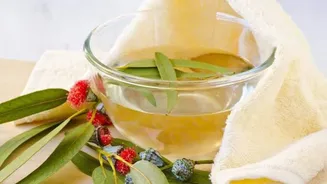
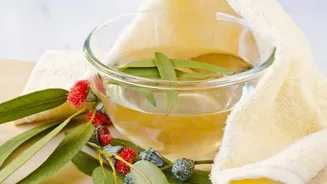
Many people add herbs like eucalyptus, peppermint, or thyme to their steam, believing it boosts the therapeutic effects. These herbs and their essential oils do have properties that can feel helpful; for example, the menthol in peppermint creates a cooling sensation that can make you feel like you're breathing more freely. Some essential oils also have anti-inflammatory or antimicrobial properties. However, much of the benefit from adding herbs to steam is likely due to the pleasant aroma and a soothing, psychological effect. The steam itself is doing most of the work by providing moisture and warmth. If you choose to add essential oils, use them sparingly—just a drop or two—as they can cause skin or airway irritation for some individuals.
The Hidden Danger: A Serious Burn Risk
The most significant risk associated with facial steaming is not from the herbs, but from the hot water and steam itself. The common method of leaning over a bowl of hot water with a towel over your head is surprisingly hazardous. There have been numerous documented cases of serious scald burns, especially in children but also affecting adults. These injuries can happen in an instant if the bowl is accidentally knocked over, spilling boiling water onto the face, chest, or lap. Steam that is too hot can also cause facial burns directly. These burns can be severe enough to require hospitalisation and can lead to permanent scarring. Because of this high risk, many medical professionals actively discourage using the bowl-and-towel method, particularly for children, the elderly, or anyone with mobility issues.
A Safer Way to Get Relief
If you want the benefits of moisture without the risk of a severe burn, there are much safer alternatives. The simplest and most recommended method is to sit in a bathroom while a hot shower is running, closing the door to trap the steam. This creates a humid environment without the danger of direct contact with hot water. Another option is to use a commercial steam inhaler or a facial steamer, which are designed to control the temperature and flow of steam safely. Humidifiers are also excellent for adding moisture to the air in your room, especially while you sleep. If you do choose the bowl method despite the risks, it is crucial to take precautions: use hot, but not boiling, water; let it cool slightly before you begin; place the bowl on a stable, flat surface; and keep your face at least 8-12 inches away from the water.