





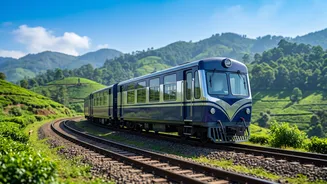
What is a Hydrogen Train?
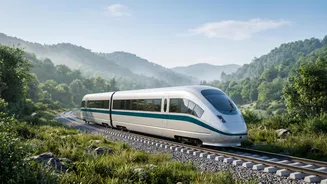
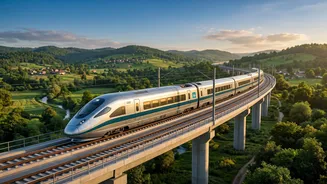
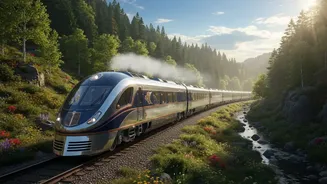
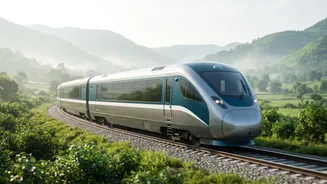
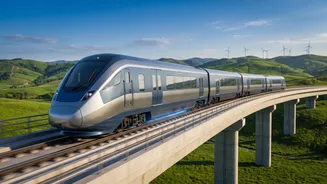
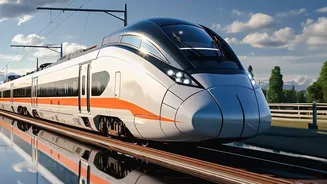
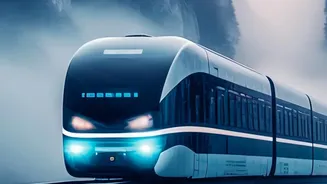
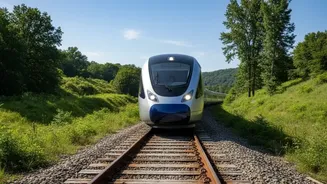
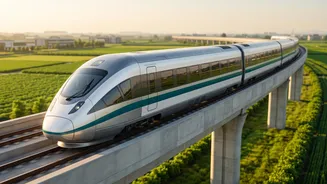
At its core, a hydrogen train is an electric train that generates its own power onboard. Instead of drawing electricity from overhead wires, it uses a fuel cell. This device triggers a chemical reaction between hydrogen, stored in tanks on the train,
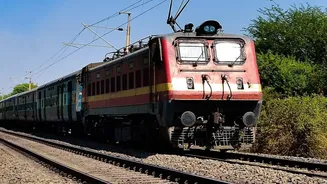
and oxygen from the air. The only by-products of this reaction are electricity, which powers the motors, and pure water vapour, making it a completely smoke-free and zero-emission mode of transport. This stands in stark contrast to the diesel locomotives currently used on many of these lines, which produce significant noise and environmental pollution. The new trains are expected to be significantly quieter, enhancing the travel experience.
The 'Hydrogen for Heritage' Strategy
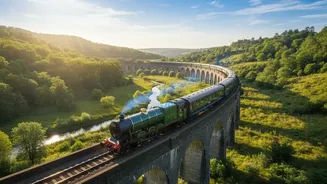
The Ministry of Railways first announced the 'Hydrogen for Heritage' initiative in 2023, a visionary plan to deploy clean-energy trains on its most scenic and ecologically sensitive routes. The logic behind starting with heritage lines is twofold. First, these narrow-gauge routes, like the Kalka-Shimla line, pass through difficult terrain with numerous tunnels and sharp curves, making traditional electrification challenging and potentially harmful to the sites' heritage value. Second, these shorter, iconic corridors serve as perfect real-world laboratories to test and showcase the technology's viability before a wider rollout. By replacing old diesel engines, the project aims to offer a pollution-free journey through some of India's most treasured landscapes.
From Pilot Project to Planned Reality
While the heritage line project is the ultimate goal, Indian Railways took its first concrete step by launching a pilot project on the Jind-Sonipat section of the Northern Railway. India’s first indigenous hydrogen train was flagged off on this 89-km route on July 17, 2026. This initial deployment serves as a crucial technology demonstrator, allowing engineers to monitor performance, safety, and maintenance under regular operating conditions. The experience and data gathered from the Jind-Sonipat service are intended to directly inform the subsequent deployment on more complex heritage routes. To support this, a dedicated hydrogen production and refuelling facility has been established in Jind.
The Route Forward for Heritage Lines
Indian Railways has identified over 30 heritage routes for this green transition, with the Kalka-Shimla Railway, a UNESCO World Heritage site, being a top priority. Other famous 'toy train' routes like the Darjeeling Himalayan Railway and the Nilgiri Mountain Railway are also part of the long-term vision. While the initial launch has been on the plains of Haryana, the learnings are crucial for adapting the technology to the unique challenges of mountain railways. As of March 2025, plans for the Kalka-Shimla line were still in the initial stages, with reports of delays due to the technical complexities of operating at full capacity in extreme weather conditions. The success on the Jind-Sonipat line is seen as the key to accelerating progress on these cherished mountain routes.
A Boost for India's Green Future
The 'Hydrogen for Heritage' project is more than just a railway upgrade; it's a cornerstone of India’s larger climate goals. The initiative directly supports the National Green Hydrogen Mission and aligns with the country's commitment to achieve Net Zero carbon emissions by 2070. By championing this technology, Indian Railways not only helps decarbonise its network but also reduces its massive diesel import bill. This move positions India among a select group of nations, including Germany and Japan, that are actively developing hydrogen for rail transport. It represents a significant step towards energy independence and showcases India’s growing capabilities in designing and manufacturing advanced, sustainable technology.