

The Soul of the Sadya
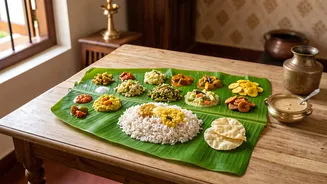
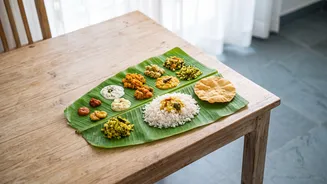
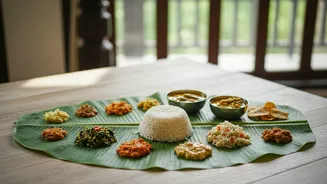
More than just a meal, the Onam Sadya is a cultural experience. It celebrates the legendary King Mahabali's annual return, a time of prosperity and togetherness. Served on a fresh banana leaf, the Sadya is a symbol of hospitality and equality, bringing
families and communities together. The feast traditionally includes a balanced array of flavours—sweet, sour, salty, pungent, bitter, and astringent—creating a meal that is both nourishing and deeply satisfying. Embracing this tradition is about sharing abundance and gratitude.
The Essential Dish Lineup
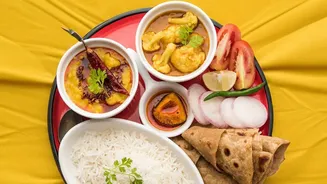
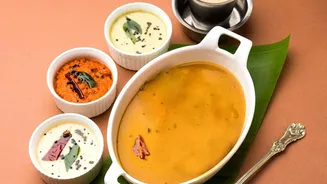
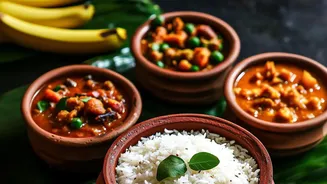
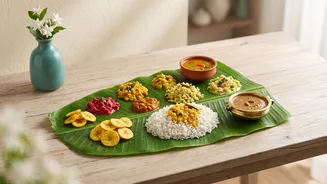
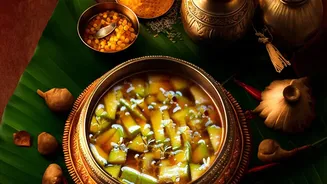
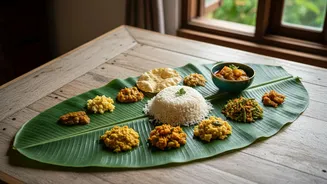
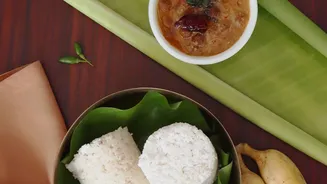
A full Sadya can feature over two dozen dishes, but for a home-style feast, focusing on a dozen core items will capture the authentic experience. Your must-haves start with fluffy red rice (Choru). Then come the main curries: Parippu (a simple moong dal curry with ghee), Sambar (a thick lentil stew with vegetables), and Rasam (a tangy, peppery soup). The side dishes, or 'kootan', are where the variety shines. Key players include Avial (mixed vegetables in a coconut-yogurt gravy), Thoran (a dry stir-fry of vegetables like cabbage or beans with grated coconut), and Olan (a mild curry of ash gourd and red beans in coconut milk). Yogurt-based dishes like Kichadi (often with cucumber or beetroot) and Pachadi (a sweeter version, perhaps with pineapple) provide a cooling contrast. No Sadya is complete without pickles like Puli Inji (a sweet and sour ginger-tamarind chutney), crunchy Pappadam, and banana chips (Upperi).
Your Sadya Prep Schedule
The key to a stress-free Sadya is planning. Don't try to cook everything on Onam morning. A staggered approach makes it manageable. Two to Three Days Before: Do your grocery shopping. Buy all fresh produce like yams, raw bananas, gourds, and beans, along with staples like coconut, jaggery, tamarind, and lentils. This is also a good time to prepare pickles and chutneys like Inji Puli, as their flavours improve over a couple of days. One Day Before: This is your main prep day. Chop all the vegetables for the Avial, Sambar, and Thoran, storing them in airtight containers. You can also grate coconut, boil lentils, and even prepare dishes like Sambar and Kalan, which often taste even better the next day. Frying the Pappadams and banana chips in advance saves time. Onam Day: Focus on the fresh dishes. Cook the rice, and prepare the Thoran and Avial. The final step is preparing the tempering for the various curries. The final assembly should happen just before you plan to serve, ensuring everything is warm and fresh.
The Art of Serving
Serving the Sadya is a tradition in itself. The meal is served on the 'thooshanila', the tip-end of a banana leaf, which should be placed with the narrow end pointing to the diner's left. There is a designated spot for each item. The accompaniments like pickles, chips, and a small banana are placed along the top edge of the leaf. Pickles and Puli Inji start on the far left, followed by Kichadi, Pachadi, Olan, Kalan, and Avial. The bottom, larger half of the leaf is reserved for the rice. The meal is eaten in courses. First, a serving of rice is topped with Parippu and ghee. A second serving of rice is for the Sambar. Rasam is usually had with the last portion of rice, before the dessert course. Payasam, the sweet dessert, is often served directly on the leaf, which some people mix with a mashed banana and a piece of pappadam for a delightful contrast of textures. The meal traditionally concludes with a glass of Sambharam (spiced buttermilk) to aid digestion.