




An Invitation to Build on the Moon
During a high-level meeting in early August 2026, NASA officially invited the Indian Space Research Organisation (ISRO) to join its Moon Base program. The announcement came out of the ninth India-U.S. Civil Space Joint Working Group held in Bengaluru,
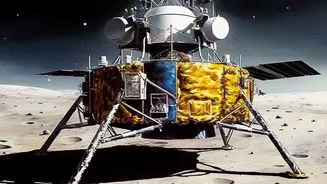
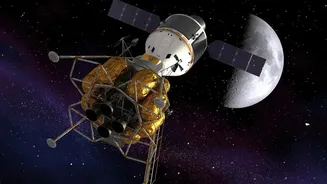
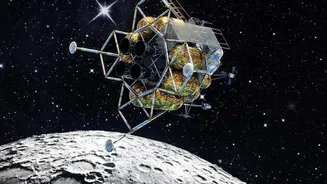
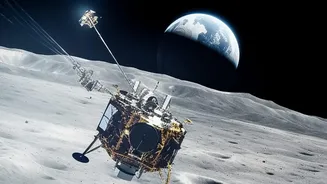
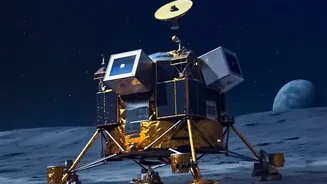
India, signifying a major leap in the two democracies' space partnership. While details are still being discussed, the invitation is for ISRO to contribute to the Artemis program's ambitious goal of creating a sustained human presence at the lunar South Pole. This isn't just a one-off mission; it's a proposal for India to become a core partner in building humanity's first off-world settlement.
A Partnership Built on Trust and Tech
This lunar invitation didn't come out of the blue. It's built on years of increasingly successful collaboration. The cornerstone of this trust is the NASA-ISRO Synthetic Aperture Radar (NISAR) mission. Launched in 2025, this joint Earth-observation satellite is a marvel of integration, using advanced radar systems from both agencies to monitor changes on our planet. The success of NISAR proved that the two agencies could seamlessly blend their technology and teams. Furthermore, India's decision to sign the Artemis Accords in 2023 laid the diplomatic groundwork. Those accords, a U.S.-led framework for peaceful lunar exploration, now include dozens of nations and form the basis of this expanding alliance.
The New Geopolitics of Space
This partnership is as much about geopolitics as it is about science. The U.S. and its Artemis partners are in a quiet but determined race against a rival bloc led by China and Russia, which are collaborating on their own lunar outpost, the International Lunar Research Station (ILRS). By inviting India, a proven space power with a reputation for cost-effective and innovative missions like its successful Chandrayaan-3 lunar landing, NASA is strengthening its coalition. The move strategically aligns the world's two largest democracies in an effort to establish the norms and standards for how humanity operates on the Moon, framing the Artemis program as the democratic-led future of space.
What India Brings to the Table
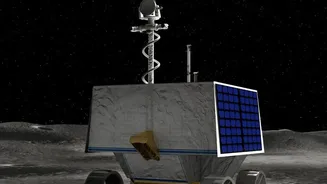
So, what would an Indian contribution look like? ISRO has a demonstrated expertise in areas that are critical for a lunar base. The agency is a world leader in robotics and cost-efficient payload delivery. Potential contributions could range from developing scientific instruments and rovers to providing communications systems or components for surface habitats. Having been the first and only country to successfully soft-land a craft near the lunar South Pole, ISRO possesses invaluable ground-truth data and operational experience in the very region where NASA plans to build the Artemis Base Camp. This expertise is a massive asset as NASA and its partners plan the complex logistics of building and operating a base in such a challenging environment.