




The First Casualties: Standing Kharif Crops
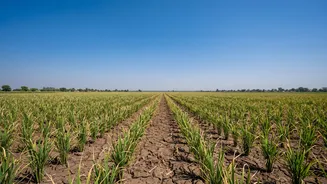
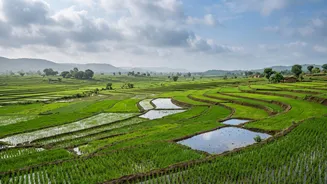
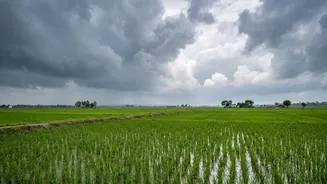
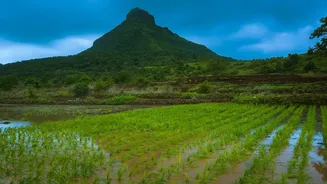
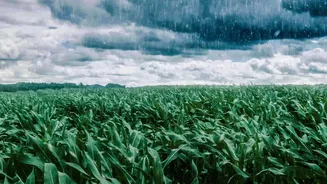
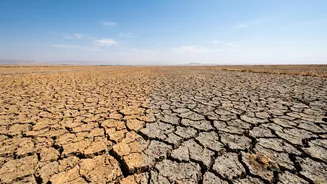
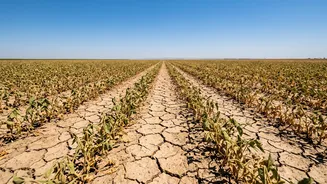
The most immediate impact of a weak September monsoon is felt by the summer-sown Kharif crops, which are in their final and most critical growth phase. Crops like rice (paddy), soybeans, maize, cotton, and certain pulses rely on these late rains for grain
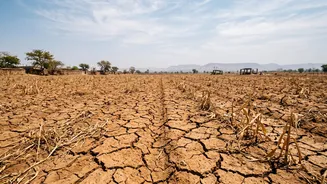
filling and maturation. A dry spell during this stage can severely stunt growth, reduce the weight of the grain, and ultimately slash the overall yield. For farmers, this means a smaller harvest and lower income after months of labour. Regions where irrigation is less developed are particularly vulnerable, as they depend almost entirely on monsoon showers to see their crops through to harvest time in October.
The Next Domino: Winter Crop Sowing
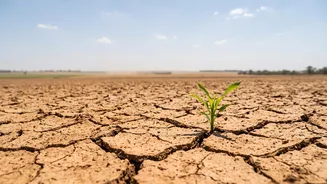
The September rains do a double duty: they not only mature the standing Kharif crops but also prepare the soil for the next agricultural cycle. The moisture retained in the ground after the monsoon is essential for sowing Rabi (winter) crops like wheat, mustard, gram, and rapeseed. A significant deficit in September leaves the soil dry and difficult to plough, delaying or even preventing the timely sowing of these crucial staples. Farmers might be forced to rely on irrigation, but that comes at a higher cost and is dependent on another factor that is also at risk.
Dwindling Reservoirs and Water Security
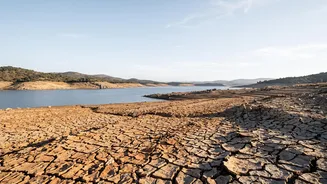
Late monsoon showers are vital for replenishing India’s reservoirs, which are the lifeline for both agriculture and urban centres. These water bodies supply the irrigation needed for Rabi crops, especially if soil moisture is low. A shortfall means reservoir levels remain below capacity, creating a precarious situation for the months ahead. This water scarcity doesn't just impact farming; it also affects the availability of drinking water for millions and can curtail hydroelectric power generation, leading to a wider economic impact beyond the farm gate.
The Silent Squeeze on Livestock and Dairy
The food chain doesn't end with grains and vegetables. The availability of fodder for livestock is directly linked to rainfall. A dry September leads to a shortage of green fodder, forcing dairy farmers to spend more on expensive dry feed. This increase in input costs quickly translates into lower milk production and, eventually, higher retail prices for milk, curd, and other dairy products. This puts a strain on a key source of protein and income for a vast segment of the rural population and adds another item to the urban household's rising grocery bill.
From Mandi to Market: The Impact on Your Wallet
Ultimately, the effects of a poor monsoon culminate at the local market and in your kitchen. Perishable items like vegetables are often the first to see a price spike. Disrupted harvests and transport challenges can lead to a sudden scarcity of daily essentials like tomatoes and onions, with prices climbing within days. The impact on staples like pulses and cereals may take a few weeks or months to become apparent, as the reduced harvest slowly tightens supply in wholesale mandis. This leads to food inflation that can affect household budgets across the country, as the cost of everyday meals goes up.