
The Silent Challenge of Breathing in Space
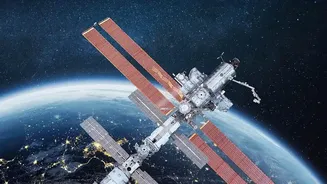
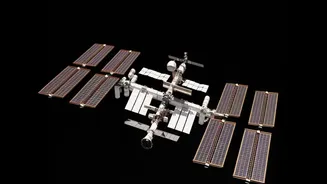
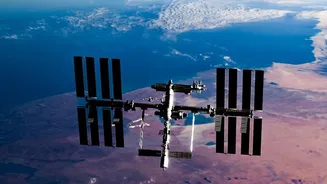
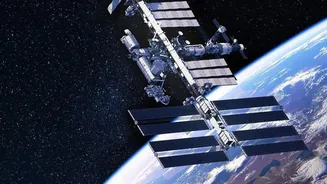
In a sealed environment like the International Space Station (ISS), the simple act of breathing becomes a complex engineering problem. Every breath an astronaut exhales releases carbon dioxide (CO2). Without intervention, this CO2 would quickly build
up to toxic levels. Early space missions used expendable solutions like lithium hydroxide canisters to scrub CO2 from the air. This was effective for short trips but unsustainable for a long-duration outpost like the ISS, where resupply missions are costly and infrequent. Beyond CO2, the station's atmosphere must also be cleansed of hundreds of other trace contaminants, from ammonia in sweat to chemicals off-gassed by electronic equipment, any of which could pose a health risk if allowed to accumulate.
ECLSS: The Station’s Mechanical Lungs
The heart of the station's life-sustaining technology is the Environmental Control and Life Support System, or ECLSS. This intricate network of machines is responsible for managing the air, water, and waste, effectively acting as the station's lungs and kidneys. The Air Revitalization System, a key part of ECLSS, is a masterpiece of regenerative engineering. Instead of just discarding CO2, it actively removes it from the cabin air using a system called the Carbon Dioxide Removal Assembly (CDRA). The CDRA uses beds of tiny, porous zeolite crystals that act as a molecular sieve, trapping CO2 and water molecules while letting oxygen and nitrogen pass through. Crucially, these beds can be heated, which releases the captured CO2 to be vented or, even better, repurposed, making the system reusable.
The Sabatier System: Turning Waste into Water
Herein lies one of the most significant breakthroughs: what to do with the captured CO2. Simply venting it all into space means losing precious oxygen atoms. The solution is the Sabatier system, a brilliant piece of chemical engineering that closes the loop. This system takes the waste CO2 from the CDRA and combines it with waste hydrogen—a byproduct from the station’s oxygen generation process—over a heated catalyst. The resulting chemical reaction produces two things: water (H2O) and methane (CH4). The methane is vented into space, but the water is a priceless resource. This newly created water can then be fed back into the station’s Oxygen Generation System, which uses electrolysis to split it into breathable oxygen for the crew and hydrogen to be used again in the Sabatier reaction. This regenerative loop dramatically reduces the amount of water that needs to be launched from Earth.
Advancing the Closed-Loop Concept
The European Space Agency's Advanced Closed Loop System (ACLS) takes this concept even further. Installed in 2018, the ACLS is designed to be more efficient at scrubbing CO2 and recycling it. It uses a different chemical process involving an amine solution to capture CO2, which is then fed into a Sabatier reactor to generate water. The goal of these systems is to create a nearly self-sufficient life support system, a critical requirement for future long-duration missions to the Moon or Mars, where resupply from Earth will be impossible. Each improvement in recycling efficiency, like the ACLS which can reduce the water needed for oxygen production by about 400 litres per year, is a major step toward that goal.
From Orbit to Earth
The engineering breakthroughs developed for the ISS have profound implications back on Earth. The challenges of removing contaminants from a sealed environment have driven innovation in air purification technology. For example, NASA's research into photocatalytic converters to remove volatile organic compounds in space has led to the development of advanced air purifiers for homes and hospitals. These systems use a catalyst energized by light to break down harmful pollutants into harmless substances like CO2 and water. Furthermore, the robust water filtration and purification technologies perfected to turn wastewater into drinking water for astronauts have been adapted for use in remote or disaster-stricken areas on Earth, providing access to clean water where it's needed most.