





The Great Himalayan Rain Shield
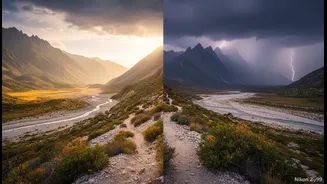
The primary reason Ladakh is a safe bet during the monsoon is its geographical location. The region lies in a 'rain shadow' created by the main Himalayan range. As the moisture-laden monsoon clouds travel north from the Indian Ocean, they are blocked
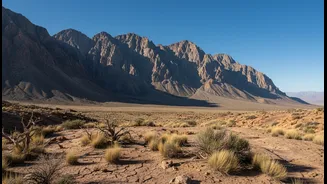
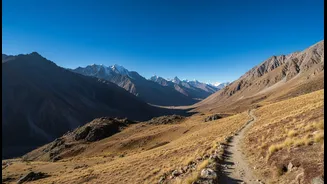
by the towering Himalayan peaks. Forced to rise, the clouds cool and release their rain and snow on the southern side, in states like Uttarakhand and Himachal Pradesh. By the time the winds cross over the Himalayas and descend into Ladakh, they are almost completely dry. This phenomenon is why Ladakh is a high-altitude cold desert, receiving less than 100mm of rainfall annually, making flash floods a rarity.
A Stark Contrast to Other Regions
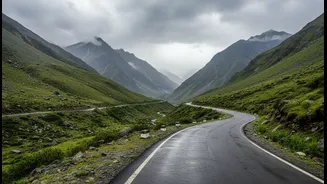
While Ladakh remains arid and sunny, other popular trekking destinations like Himachal Pradesh and Uttarakhand face significant challenges during the monsoon months of July and August. News from early July 2026 highlights heavy rainfall warnings, landslides, and flash flood risks in these states, leading to road blockages and dangerous conditions for trekkers. In recent days, reports have shown landslides blocking numerous roads in Uttarakhand and swelling rivers in Himachal. This stark contrast makes Ladakh not just an option, but a logical choice for those wanting a Himalayan experience without the characteristic monsoon risks.
The Right Kind of Challenge
Choosing Ladakh means trading the risks of rain and landslides for a different set of challenges, primarily related to its high altitude. The average elevation in Ladakh is over 3,000 metres (9,800 feet), where the air is thin and has lower oxygen levels. The key to a safe trek here is not rain gear, but proper acclimatization. The golden rule is to spend at least 48 hours in Leh (around 3,500 metres) upon arrival, allowing your body to adjust before ascending higher. Staying well-hydrated by drinking 3-4 litres of water daily, avoiding alcohol, and maintaining a slow pace for the first few days are crucial steps to prevent Acute Mountain Sickness (AMS).
Trekking in a High-Altitude Desert
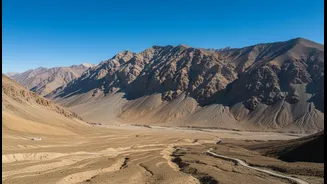
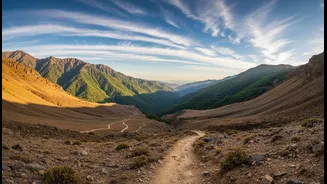
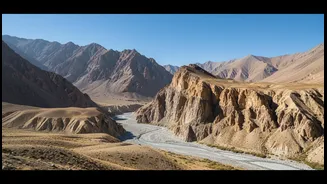
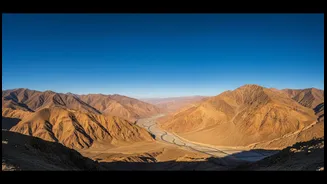
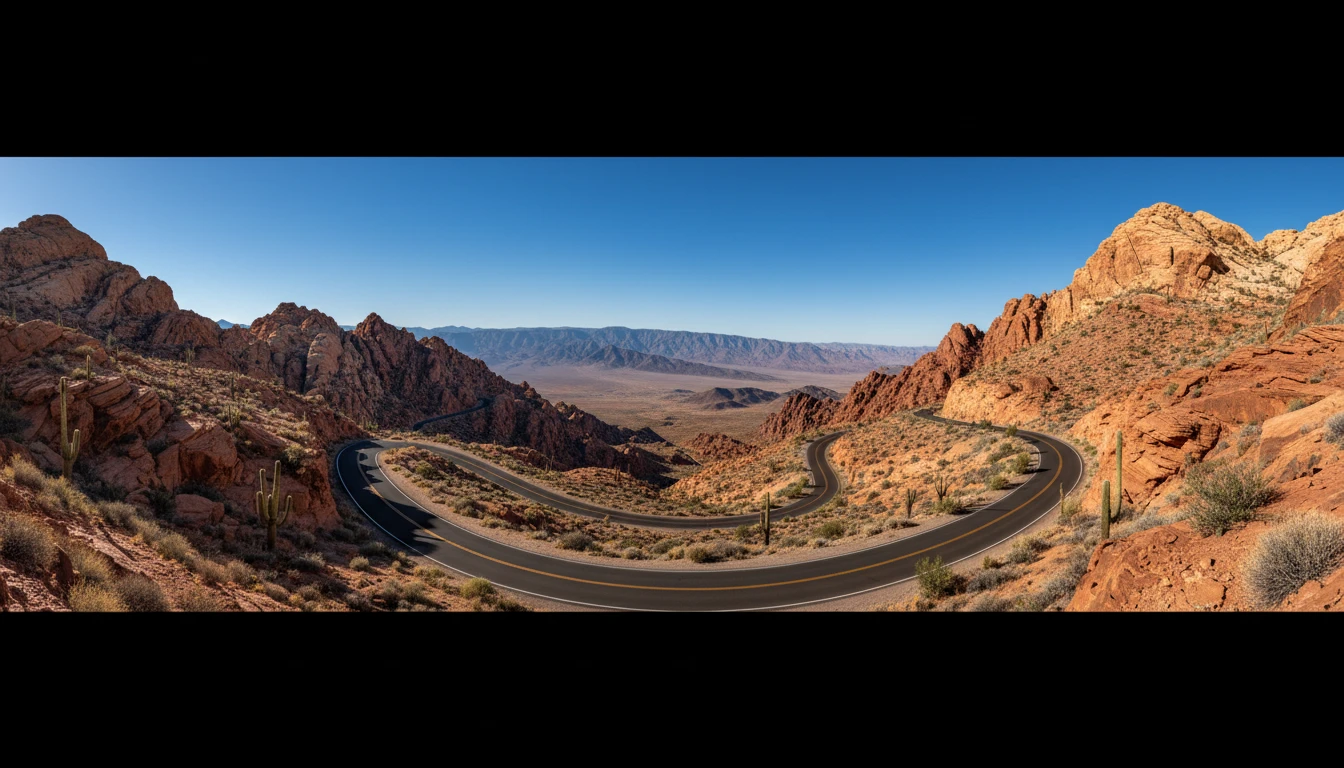
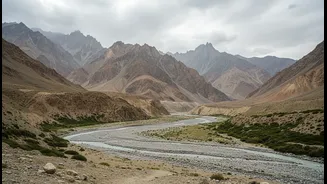
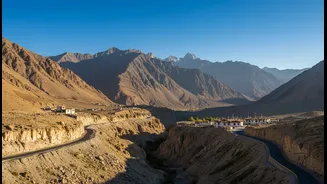
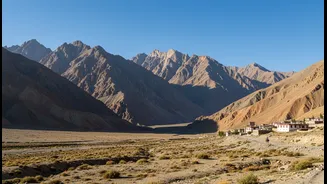
The treks in Ladakh offer a unique beauty, distinct from the lush green trails of monsoon-soaked regions. Here, you walk through vast, barren valleys painted in shades of brown, grey, and ochre, beneath brilliant blue skies. The landscape is dramatic and otherworldly. Popular routes that are perfect during this time include the Sham Valley trek, often called the 'baby trek', which is ideal for beginners, and the Markha Valley trek, which offers a stunning journey through remote villages and past ancient monasteries. These trails are well-established and supported by a network of local guides and homestays, enhancing both safety and the overall experience.
Safety Beyond the Weather
While the weather is favourable, safety in Ladakh is a shared responsibility. The region's trekking infrastructure is robust, with experienced local guides who possess invaluable knowledge of the terrain and conditions. Opting for a certified guide or a reputable trekking company is highly advisable. They ensure proper planning, manage logistics, and are trained to handle emergencies, including symptoms of altitude sickness. Trekkers should still pack for a mountain environment, including layers for cold nights, sun protection for the intense high-altitude sun, and basic first-aid supplies. Remember, 'safe from floods' doesn't mean 'free of all risk', and preparation is key.