







What's Driving the Price Spike?
The primary driver behind the recent surge in oil prices is the heightened conflict between the U.S. and Iran. A series of mutual attacks over the weekend, including U.S. strikes on Iranian oil tankers and retaliatory actions from Iran's Revolutionary
Guards, has stoked fears of a prolonged standoff. This instability centers around the Strait of Hormuz, a critical chokepoint for global energy supplies. Roughly 20% of the world's oil passes through this narrow waterway, so any threat of disruption spooks the market and sends prices upward. As of early September, Brent crude, the international benchmark, has surged past $97 a barrel, its highest level in weeks, reflecting a significant risk premium built into the price by traders bracing for potential supply constraints.
Why India is So Vulnerable
India's economy is uniquely exposed to fluctuations in global oil prices. The nation imports over 88% of its crude oil requirements to meet its energy needs. This heavy reliance means that when international prices rise, so does India’s import bill, often dramatically. In the first four months of the 2026 financial year, India's crude import bill surged by over 56% to $63.4 billion, even though the volume of oil imported remained almost the same. This highlights a stark reality: India pays more for the same amount of oil, putting significant pressure on its foreign exchange reserves and widening the current account deficit—the gap between the country's imports and exports.
The Ripple Effect on the Economy
The impact of expensive crude oil ripples through the entire Indian economy. A rising import bill weakens the rupee against the dollar, as more rupees are needed to buy the same amount of foreign currency for oil payments. This, in turn, can lead to 'imported inflation,' making other imported goods more expensive. The Reserve Bank of India estimates that a sustained 10% increase in crude oil prices can push domestic inflation up by 30 basis points. This puts pressure on household budgets and can prompt the central bank to maintain higher interest rates, which can slow down economic growth. Furthermore, high oil prices negatively affect investor sentiment, with the stock market often reacting cautiously to sustained price hikes.
At the Petrol Pump: What It Means for You
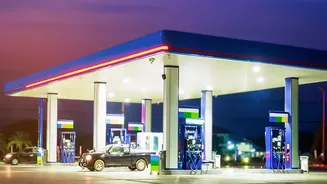
For the average citizen, the most direct impact is felt at the petrol pump. In India, petrol and diesel prices are deregulated and are meant to align with international rates. The final price you pay is a combination of the base price (which includes crude cost, refining, and freight), central government's excise duty, state government's Value Added Tax (VAT), and dealer commission. Taxes alone can constitute over 50% of the retail price. While state-owned oil marketing companies have often absorbed initial price shocks to protect consumers, a sustained period of high crude prices makes it difficult to avoid passing the cost on. If Brent crude remains near the $100 mark, it is highly likely that petrol and diesel prices will see an upward revision in the coming weeks.
The Government's Difficult Balancing Act
The Indian government faces a difficult choice. It can shield consumers from the price hike by cutting excise duties on petrol and diesel. However, this would mean taking a significant hit on its revenue, straining the fiscal deficit at a time when funds are needed for infrastructure and social programs. The other option is to allow oil companies to raise prices, which would curb fuel consumption but also fuel inflation and potentially lead to public discontent. In the past, the government has used a combination of measures, including asking oil companies to absorb losses and making modest tax adjustments. As the situation evolves, policymakers will be closely monitoring the balance between fiscal health and consumer welfare.