



The Ultimate Upcycled Breakfast
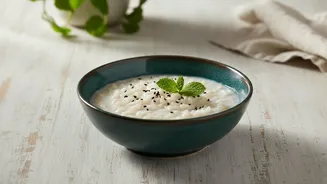
Before there were protein shakes, overnight oats, or expensive probiotic supplements, there was Pazhanthanji. Known by various names across India—like Pazhaya Soru, Panta Bhat, or Neeragaram—this traditional dish is disarmingly simple. It’s made by soaking
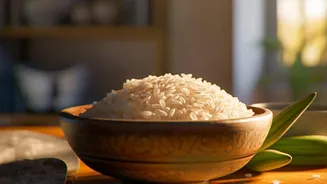
leftover cooked rice in water and letting it sit overnight at room temperature. The next morning, this mildly fermented mixture is typically seasoned with salt and mixed with additions like crushed shallots, green chilies, or yogurt. What was once a practical way for farmers and laborers to preserve food and get a nutritious, energy-packed start to their day is now being rediscovered for its powerful health benefits. It represents the ultimate in food wisdom: no waste, minimal effort, and maximum nutritional payoff.
A Gut-Friendly Powerhouse
The magic of Pazhanthanji lies in the natural fermentation process. As the rice soaks overnight, it becomes a breeding ground for beneficial lactic acid bacteria, like Lactobacillus. This turns the simple bowl of rice into a potent natural probiotic, which helps support a healthy gut microbiome, improve digestion, and reduce issues like bloating. But the benefits don't stop there. Fermentation fundamentally transforms the rice's nutritional profile. Studies and nutritional analyses show that this process significantly increases the bioavailability of key minerals like iron, potassium, and calcium. For example, one report noted that the available iron in 100 grams of rice can increase dramatically after 12 hours of fermentation. The process also boosts levels of B vitamins, particularly B6 and B12, which are crucial for energy metabolism.
The Original Performance Fuel
For modern athletes and fitness enthusiasts, Pazhanthanji offers a compelling alternative to many processed breakfast options. Unlike sugary cereals or even some health bars that can cause energy spikes and crashes, the carbohydrates in fermented rice are broken down, making them easier to digest and providing a source of slow-release energy. This sustained fuel is exactly what kept laborers going through long days of physical work. Furthermore, the dish is known for its natural cooling properties, helping to regulate body temperature, which is especially beneficial in hot climates or after a strenuous workout. Its high water content also aids in hydration, replenishing electrolytes lost through sweat. The combination of easy-to-digest energy, enhanced nutrients, and probiotic benefits makes it a holistic performance food that supports the body from the inside out.
Ancient Wisdom in a Modern World
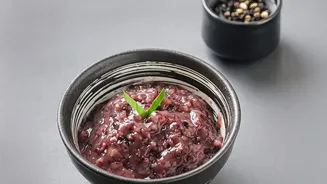
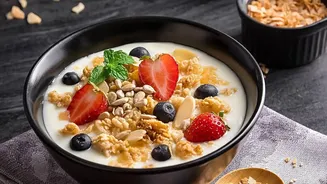
The growing interest in dishes like Pazhanthanji is part of a larger trend of looking to ancestral diets for modern health solutions. In a world saturated with complex diet plans and expensive supplements, the simplicity of fermented foods is a powerful reminder that sometimes the most effective wellness strategies have been around for centuries. While you may not find Pazhanthanji on every cafe menu, its principles are easy to adopt. Health-conscious individuals are swapping their morning toast or sugary yogurt for homemade versions of fermented rice, sometimes using brown rice or other whole grains as a base. The core idea isn't just to replicate an ancient recipe exactly, but to embrace the concept of using simple, natural fermentation to unlock nutrients, improve gut health, and create a truly functional food. It’s a diet swap that’s less about restriction and more about rediscovering a smarter, time-tested way of eating.