






The New Urban Escape
The 9-to-5 grind has evolved into an 'always-on' culture, where work bleeds into personal time thanks to the very technology that promised flexibility. For young Indians in bustling cities like Mumbai, Delhi, and Bengaluru, the high-pressure environment
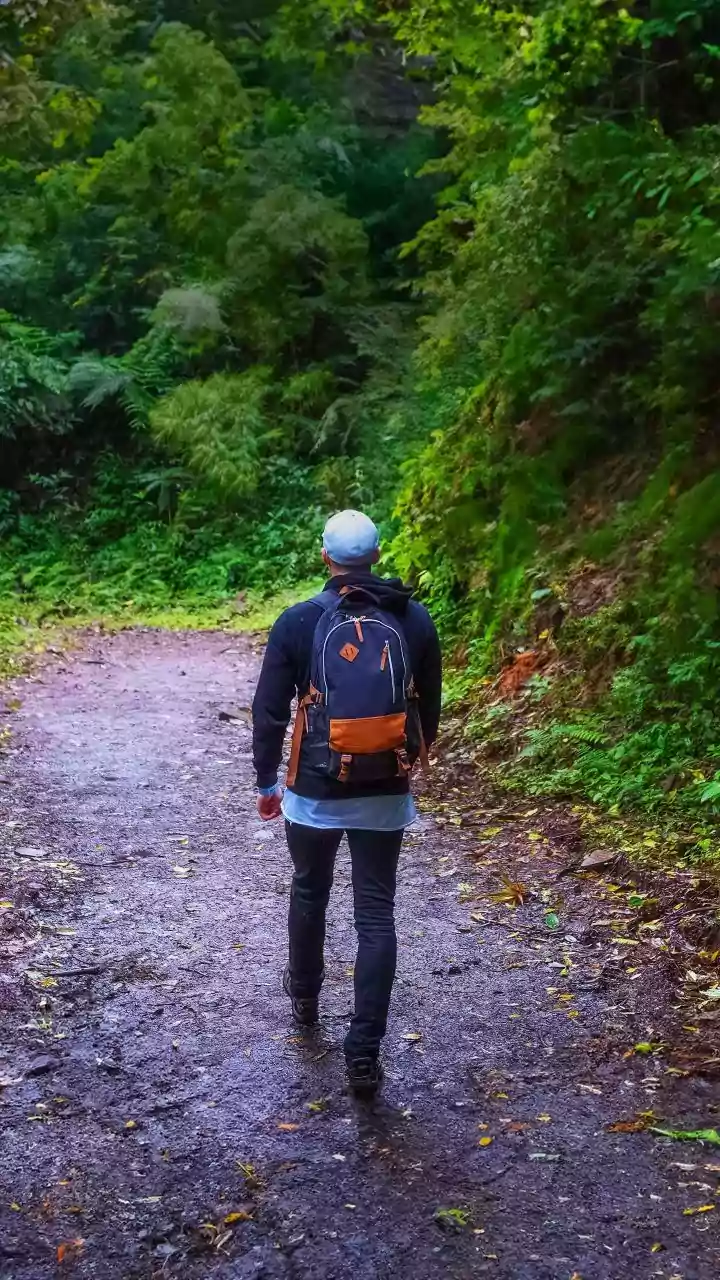
can lead to significant stress and mental fatigue. This constant pressure has fuelled a desire for more frequent, accessible breaks. Unlike the single, long annual holiday of previous generations, millennials and Gen Z are opting for shorter, more regular escapes. This shift is less about a lengthy, meticulously planned vacation and more about a spontaneous, restorative pause. It's a direct response to the need to disconnect from the digital leash and the monotony of daily routines, seeking moments of peace to recharge before diving back into the hustle.
From Annual Leave to Weekend Ritual
The traditional concept of saving up all your leave for one big trip is losing its appeal. Research shows that seven in ten young travellers would rather take three short trips over one long holiday. The psychological benefits of this approach are significant. Frequent, shorter breaks can be more effective at reducing stress and preventing burnout than a single, longer vacation. These mini-vacations act as regular 'resets', improving focus, creativity, and overall well-being upon returning to work. They break the cycle of accumulating stress over long periods, offering a sustainable way to manage the pressures of modern work life. This approach also aligns with a growing desire for varied experiences; 67% of young travellers say they don't want any two trips to look the same, seeking novelty over routine.
The Anatomy of a Quick Getaway
What does a typical weekend getaway look like? Proximity is key. Destinations are often within a few hours' drive, making them accessible for a two or three-day break. Think Lonavala or Alibag for Mumbaikars, the hills of Mussoorie or the heritage of Agra for Delhiites, and the natural beauty of Coorg or Wayanad for those in Bengaluru. The planning process is often spontaneous, with a majority of travellers booking their trips just days or weeks in advance. This is a generation that values flexibility and doesn't want to be tied down by rigid itineraries. In fact, many deliberately leave their schedules open to allow for spontaneous exploration. The stay itself has become a crucial part of the experience, with many choosing a destination based on a unique homestay or boutique hotel they discovered online.
More Than Just a Holiday
For young urbanites, these getaways are more than just a break; they are an act of self-expression. A recent survey revealed that 87% believe the way they travel reflects who they are as a person. The goal is not just to see a place, but to experience it in a way that feels personal and unique. This often means swapping crowded tourist spots for local markets and neighbourhood cafes. There's also a growing trend of 'workations', where remote work policies allow professionals to blend their job with travel, spending longer periods in scenic, quieter locations. Ultimately, these trips are about finding a better life balance, investing in mental well-being, and collecting experiences rather than possessions. It’s a conscious choice to step off the treadmill, even if just for a weekend, to find a moment of calm in a chaotic world.