





Festival season in India is a time of joy, community, and, of course, incredible food. But behind the scenes of these abundant feasts, a significant amount of food can go to waste. Here are some simple ways to celebrate thoughtfully.
Plan Your Menu Mindfully
The first step to
a less wasteful celebration starts before you even light the stove. Planning your menu with care is crucial. Consider the number of guests you're expecting and their preferences to avoid over-preparing. Instead of an overwhelming number of dishes, focus on a curated selection of crowd-pleasers. Creating a detailed shopping list based on your menu will help you buy only what you need, preventing both impulse buys and the inevitable wilting produce at the back of the fridge. This thoughtful approach ensures your festival table is generous but not excessive.
Embrace Smart Shopping and Storage
Where and how you shop can make a big difference. Opting for local markets allows you to buy many vegetables and staples loose, reducing packaging waste. Bring your own cloth bags to carry your produce. Once home, proper storage is key to extending the life of your ingredients. Store fruits and vegetables correctly in the refrigerator, and use airtight containers for dry goods and leftovers to keep them fresh for longer. These small habits prevent food from spoiling before you even get a chance to cook with it.
Practice Portion Control when Serving
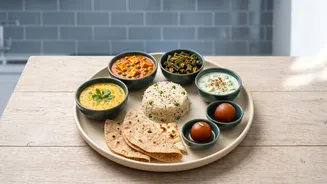
During festivals, enthusiasm can lead to overflowing plates. A simple strategy to combat this is to serve smaller portions initially. Encourage guests to try a little bit of everything and to come back for seconds of their favourites. This method prevents the common issue of half-eaten plates being discarded. Using smaller plates can also psychologically guide guests to take more manageable amounts. It’s a subtle shift that allows everyone to sample the full spread without contributing to waste.
Get Creative with Leftovers
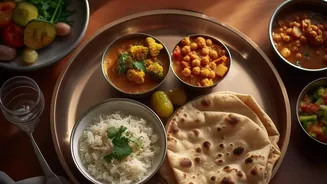
Leftovers are not a sign of failure; they're an opportunity for culinary creativity. Yesterday's dal can be used to make a soft dough for parathas, or it can be transformed into crispy pakoras for an evening snack. Leftover sabzi makes an excellent filling for a quick sandwich or a kathi roll. Plain rice can be turned into flavourful fried rice or tangy lemon rice the next day. Even leftover sweets can be repurposed; crumbled ladoos or barfis make a delicious topping for kheer or ice cream.
Use the Whole Vegetable
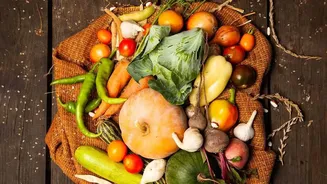
Traditional Indian cooking has a long history of using ingredients from root to leaf, a practice that is both economical and sustainable. Don't be so quick to discard peels and stems. The stems of coriander and mint are packed with flavour and can be ground into chutneys. Vegetable peels from potatoes, gourds, and carrots can be used to make a flavourful broth for soups and dals. Cauliflower leaves and broccoli stems, often thrown away, are delicious when stir-fried or added to sabzis.
Share the Abundance
If, despite your best efforts, you find yourself with a large amount of extra, untouched food, consider sharing it. Distributing excess food among neighbours, friends, or domestic staff is a wonderful way to extend the festive spirit. Many local community organisations and NGOs also accept food donations during festivals, ensuring that your surplus food reaches those in need and doesn't end up in a landfill. This act of sharing not only prevents waste but also embodies the true essence of community celebration.
Compost Unavoidable Scraps
For the food scraps that are truly unavoidable—like fruit pits, eggshells, or tea leaves—composting is the perfect solution. A small compost bin in your balcony or a community composting pit can turn this organic waste into nutrient-rich manure for your plants. It's a simple, effective way to ensure that nothing goes to waste, returning valuable nutrients back to the soil and closing the loop on your kitchen’s consumption cycle.