


A New Climate Reality for Travel
From the snowy peaks of the Himalayas to the sun-drenched beaches of Kerala, India’s diverse landscapes are a massive draw for tourists. However, this appeal is increasingly vulnerable to a shifting climate. India is experiencing more frequent and intense
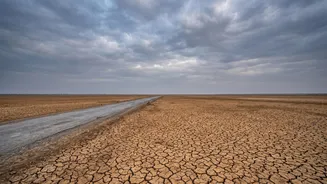
weather events, including severe heatwaves, erratic and powerful monsoons, and a greater number of cyclones. These are not isolated incidents but part of a larger pattern that poses a direct threat to the roads, hotels, airports, and heritage sites that form the backbone of the tourism industry. A 2023 report highlighted that India faced extreme weather almost daily for the first nine months of the year, underscoring the urgency of the situation. This new reality means that infrastructure built for a previous climate may no longer be adequate.
Coastal and Island Regions Under Pressure
India's extensive coastline is a critical tourism asset, but it stands on the front line of climate change. Rising sea levels and an increase in the intensity of cyclones threaten coastal communities and the infrastructure that supports tourism. Resorts in Goa, the backwaters of Kerala, and the Andaman Islands face the dual dangers of beach erosion and storm surges. Recent cyclones have caused billions of dollars in economic losses, highlighting the vulnerability of critical tourist infrastructure like coastal roads, jetties, and hotels. Beyond the immediate destruction, rising sea levels can lead to saltwater intrusion, affecting freshwater supplies for tourist facilities, while warmer oceans can damage marine ecosystems like coral reefs, which are themselves major attractions.
The Fragile Himalayan Ecosystem
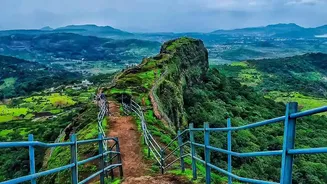
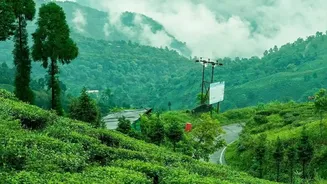
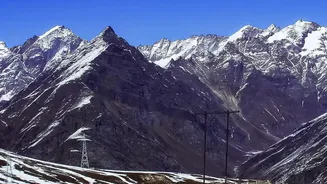
The Indian Himalayan region is facing its own set of weather-related challenges. Traditionally popular for summer retreats and winter sports, these areas are now seeing diminishing snowfall, which threatens the viability of ski resorts in places like Gulmarg and Auli. At the same time, rising temperatures are accelerating glacial melt, increasing the risk of landslides and devastating flash floods. The monsoon season of 2026 saw extreme rainfall, cloudbursts, and landslides cause widespread damage in states like Himachal Pradesh and Jammu & Kashmir, blocking crucial highways and destroying public infrastructure. This not only endangers lives but also cuts off access to remote tourist destinations, creating uncertainty for both travellers and local businesses dependent on a steady flow of visitors.
Urban Tourism and the Heat Island Effect
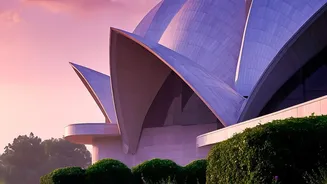
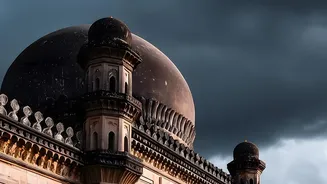
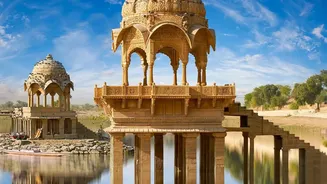
It's not just natural landscapes that are affected. India's historic cities, such as Delhi, Jaipur, and Agra, are becoming 'heat islands' where temperatures remain dangerously high for prolonged periods. These extreme heatwaves, which can see temperatures soar, make daytime sightseeing difficult and even hazardous, particularly for elderly visitors and children. The heat also takes a toll on the infrastructure itself. Ancient monuments and heritage buildings can suffer from material degradation under constant thermal stress. Furthermore, power grids become overwhelmed as the demand for air conditioning surges, leading to power cuts that disrupt operations for hotels, restaurants, and other tourist services.
Building for a Resilient Future
The challenges are immense, but they are also driving innovation and a push towards more resilient infrastructure. The focus is shifting from simply rebuilding to building better. This includes investing in 'ecological infrastructure' like mangrove restoration along coastlines to act as natural buffers against storm surges. In mountainous regions, there's a need for better land-use planning to prevent construction in high-risk zones. For new projects, this means incorporating climate-resilient design from the start, such as using materials that can withstand extreme heat or building roads with better drainage to handle intense rainfall. For existing infrastructure, retrofitting and implementing better early warning systems are key. Adopting renewable energy sources and promoting water conservation technologies are also becoming essential for sustainable tourism operations.